Karnataka Governor suspends KPSC chairperson Shivashankarappa S Sahukar over 'illegal selection' of daughters in government service
Source Entity
India Latest News: Top National Headlines Today & Breaking News | The Hindu
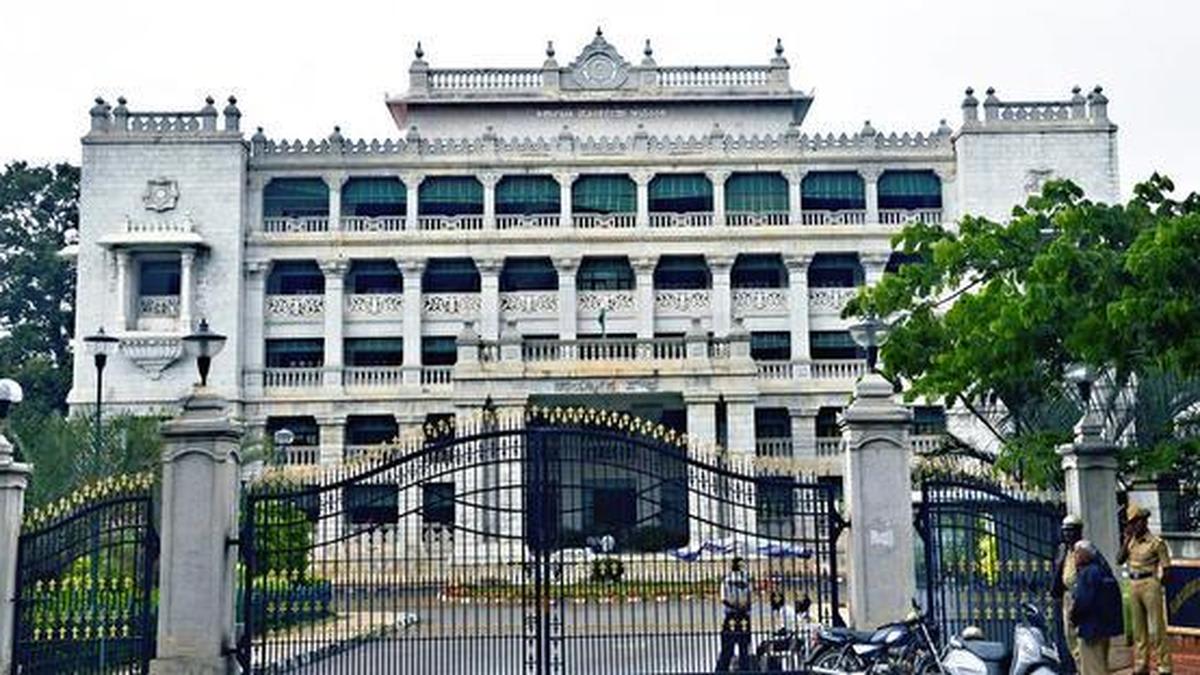
The Governor also recommended to the President that the matter be referred to the Supreme Court under Article 317(1) of the Constitution for an inquiry into the allegations
Crisis of Integrity: The Suspension of Karnataka's KPSC Chairperson
In a significant move to uphold the integrity of public recruitment, the Governor of Karnataka has suspended the Chairperson of the Karnataka Public Service Commission (KPSC), Shivashankarappa S Sahukar. The suspension stems from grave allegations regarding the 'illegal selection' of the Chairperson's own daughters into government service. This development highlights a critical failure in the guardianship of meritocracy, as the very individual tasked with ensuring fair and transparent recruitment is accused of orchestrating nepotism at the highest level.
The Conflict of Interest and Allegations of Nepotism
At the heart of this controversy is the fundamental principle of 'conflict of interest.' The KPSC is the premier body responsible for selecting the administrative backbone of the state. When the head of such an institution is implicated in the illegal appointment of immediate family members, it doesn't just represent a personal ethical breach but a systemic failure. The allegation that the Chairperson used his position to bypass standard competitive protocols for his daughters undermines the trust of thousands of aspirants who rely on the KPSC for fair employment opportunities. This incident underscores the vulnerability of recruitment boards to internal manipulation if oversight mechanisms are not strictly enforced.
Constitutional Recourse and Article 317(1)
To ensure a fair and impartial investigation, the Governor has recommended to the President of India that the matter be referred to the Supreme Court under Article 317(1) of the Indian Constitution. Article 317 is a specialized provision that governs the removal and suspension of members of Public Service Commissions. Because KPSC members are appointed by the President, they cannot be removed by the state government alone; the process requires a high-level constitutional inquiry. By invoking this article, the Governor is signaling that the allegations are of such a serious nature that they require the highest judicial scrutiny to prevent any political interference in the probe.
Broader Implications for State Governance
This event has far-reaching implications for the administrative landscape of Karnataka. The suspension of a KPSC chief sends a shockwave through the bureaucracy, serving as a warning that nepotism will not be tolerated even at the top echelons of power. However, it also raises questions about how such 'illegal selections' could have occurred unnoticed in the first place. This suggests a potential lapse in the internal auditing and vetting processes of the commission, potentially pointing toward a deeper culture of patronage that may need to be addressed through comprehensive systemic reforms.
Historical Context and the Battle for Meritocracy
Historically, Public Service Commissions in India have often faced criticism regarding transparency and the timing of exam results. In Karnataka, the KPSC has occasionally been the center of legal battles over recruitment irregularities. This latest scandal involving Chairperson Sahukar adds to a narrative of institutional fragility. The move by the Governor to involve the Supreme Court reflects a growing trend of using constitutional checks and balances to cleanse administrative bodies of corruption, emphasizing that the rule of law must supersede personal and familial ties in public office.
Future Outlook and Necessary Reforms
Moving forward, this case will likely trigger a broader review of recent appointments made during Sahukar's tenure. It is probable that the state will face calls for the digitalization of recruitment processes and the implementation of more rigorous third-party audits to eliminate human interference. The outcome of the Supreme Court inquiry will be pivotal; if the allegations are proven, it will set a legal precedent for the accountability of constitutional appointees. The restoration of public faith in the KPSC will require not just the removal of the accused, but a transparent overhaul of the selection criteria to ensure that merit remains the sole currency for government employment.
Conclusion
The suspension of Shivashankarappa S Sahukar is a necessary step in safeguarding the sanctity of the Karnataka Public Service Commission. By referring the case to the Supreme Court via the President, the Governor has ensured that the investigation remains insulated from local pressures. This case serves as a stark reminder that the integrity of the state's recruitment machinery is paramount to the delivery of good governance and the preservation of democratic fairness.
Verification Required?