Karnataka charts India’s first comprehensive care and rehabilitation policy for burns survivors
Source Entity
India Latest News: Top National Headlines Today & Breaking News | The Hindu
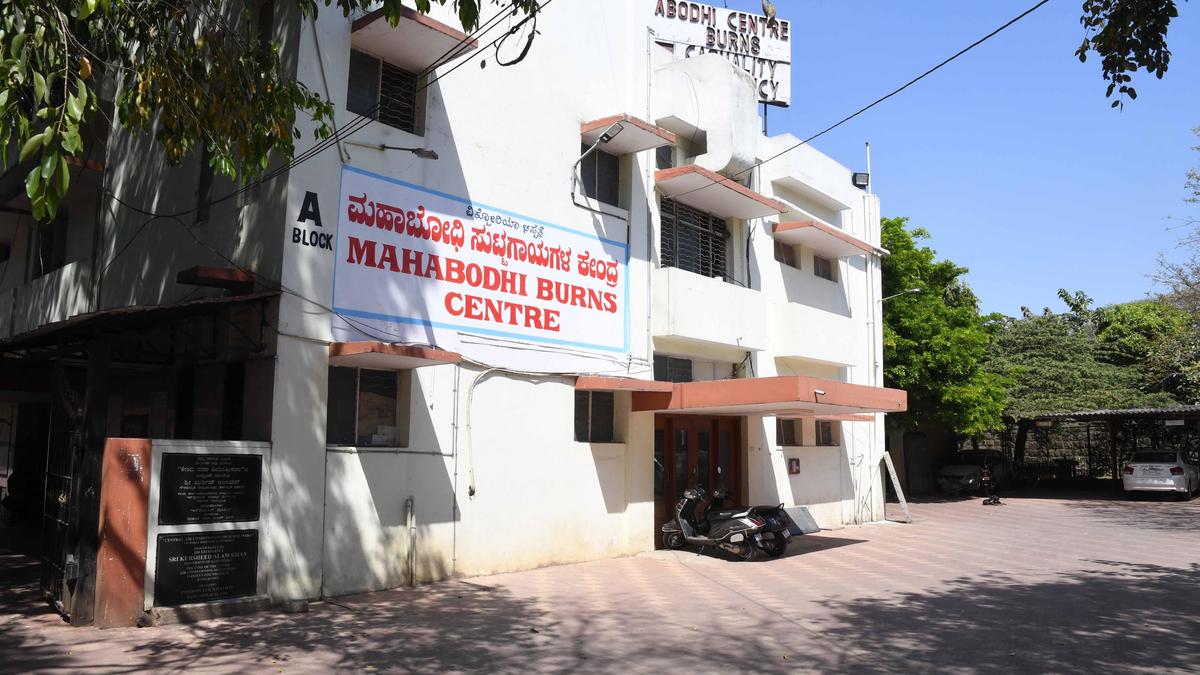
Karnataka has become the first Indian state to launch a comprehensive policy for burns survivors, focusing on specialized care, rehabilitation, and social reintegration. The initiative includes establishing new 15-bed wards in district hospitals and upgrading the Mahabodhi Burns Care Centre into a Centre of Excellence.
Karnataka Pioneers Comprehensive Burns Care in India
The Karnataka Cabinet has made a landmark decision by approving India’s first comprehensive policy dedicated to the prevention, treatment, rehabilitation, and social reintegration of burns survivors. By institutionalizing a framework that addresses the entire lifecycle of burns care—from immediate medical intervention to long-term societal inclusion—Karnataka has set a new benchmark for public health governance in India. This move distinguishes the state as a proactive leader in addressing a complex medical and social issue that has historically lacked a unified national strategy.
Expanding Infrastructure and Specialized Facilities
At the core of this policy is the mandate to decentralize high-quality burns care. The government plans to establish 15-bed burns care wards across district hospitals and government medical college hospitals throughout the state. This initiative is designed to bridge the accessibility gap, ensuring that patients in rural and semi-urban areas receive specialized treatment without the immediate need for transfer to major metropolitan hubs. By distributing these facilities, the state aims to significantly reduce the morbidity and mortality rates associated with burn injuries, which often require time-sensitive interventions.
Elevating Excellence: The BMCRI Upgrade
Central to the policy's success is the strategic upgrade of the Mahabodhi Burns Care Centre at the Bangalore Medical College and Research Institute (BMCRI). By designating this facility as a 'Centre of Excellence,' the Karnataka government is investing in advanced clinical research, specialized training for medical professionals, and the adoption of cutting-edge treatment protocols. This Centre of Excellence will likely serve as a nodal agency, providing guidance and technical support to the smaller district-level wards, thereby creating a robust, tiered network of care across the state.
Beyond Clinical Treatment: Rehabilitation and Integration
What sets this policy apart is its holistic approach. Recognizing that burns survivors face significant physical, psychological, and social challenges, the policy explicitly includes provisions for long-term rehabilitation and social reintegration. This acknowledges that medical healing is only the first step; survivors must also be supported in overcoming societal stigmas and the logistical hurdles of returning to a productive life. By formalizing this support, the state is addressing the often-overlooked psychosocial dimensions of burn trauma.
Implementation and Future Outlook
As noted by Ritvik Ranjanam Pandey, Principal Secretary (Health), the focus of the administration has now shifted to the implementation phase. Transforming policy into practice requires meticulous coordination, resource allocation, and the training of specialized staff to manage these new wards. As Karnataka begins to operationalize this network, the success of this model could serve as a blueprint for other states, potentially influencing a national conversation on the standardization of burns care across India.
Conclusion
The Karnataka Cabinet’s approval of this comprehensive policy marks a significant advancement in Indian public health. By combining infrastructure expansion, institutional upgrading, and a focus on social reintegration, the state is addressing the multifaceted needs of burns survivors. This proactive policy framework promises to improve both the clinical outcomes and the quality of life for countless individuals, establishing a new standard for compassionate and structured medical care in India.
Verification Required?