Man travels 300 km to donate blood to child with rare blood group in Karnataka
Source Entity
India Latest News: Top National Headlines Today & Breaking News | The Hindu
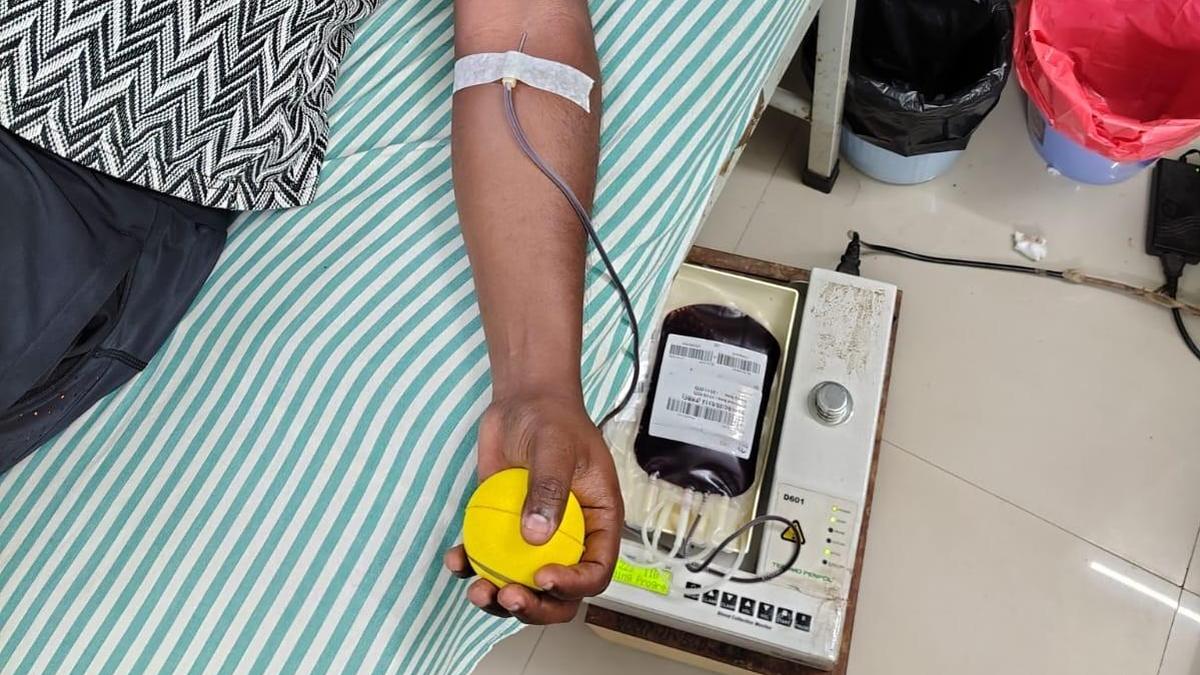
Medical professionals in Karnataka have achieved significant milestones, including a rare blood donation for a child with the Bombay blood group and India's first pediatric swap kidney transplant. These events highlight the critical role of innovative medical technology and community coordination in saving lives.
Medical Triumphs in Karnataka: Advancements in Rare Blood and Organ Care
Recent medical developments in Karnataka underscore the life-saving potential of specialized care and innovative technology. From a compassionate 300-kilometer journey to secure rare blood for a toddler to a pioneering pediatric kidney swap transplant in Bengaluru, these events demonstrate the resilience of the healthcare system in addressing complex medical challenges.
The Critical Challenge of the Bombay Blood Group
The case of three-year-old Abhinandan, who required blood for an inherited bleeding disorder, highlights the extreme vulnerability of individuals with the Bombay blood group (hh phenotype). Unlike the standard ABO system, the lack of the ‘H’ antigen makes finding compatible donors a monumental task. When a patient’s hemoglobin levels drop critically, the logistical hurdle of sourcing such a rare phenotype becomes a race against time, necessitating extraordinary efforts from donors, such as the individual who traveled from Chikkamagaluru to Dharwad to provide the life-saving unit.
Pioneering Pediatric Kidney Swaps
Simultaneously, Aster CMI Hospital in Bengaluru has set a new benchmark in transplant medicine by performing India’s first pediatric swap kidney transplant. By utilizing the Alliance for Paired Donation (APKD) software, doctors were able to navigate the barriers of blood-group incompatibility between two families. This two-way donor swap allowed a 15-year-old boy and a 21-year-old male to receive kidneys that were medically matched, overcoming the limitations that previously prevented direct donations within their respective families.
The Role of Technology in Medical Logistics
Technology is increasingly becoming the backbone of modern clinical success. The use of sophisticated matching software, such as the APKD platform, represents a shift toward data-driven healthcare solutions. By expanding the potential donor pool through paired exchanges, hospitals can bypass the traditional hurdles of ABO-incompatible transplants, which were previously considered insurmountable without high-risk medical interventions.
Broader Implications for Healthcare Infrastructure
These events signal a growing need for robust, interconnected medical networks. Whether it is the coordination required to move rare blood units across vast distances or the complex logistics of multi-family organ exchanges, the success of these procedures relies on seamless communication between hospitals, diagnostic labs, and the public. As medical science advances, the ability to replicate these successes will depend on the continued integration of specialized diagnostic tools and community-based donor registries.
Future Trends in Transplant and Hematology
Looking ahead, the focus in Indian healthcare will likely shift toward increasing awareness for rare blood groups and standardizing swap transplant protocols. As these procedures become more accessible, the reliance on advanced algorithmic matching will grow, offering new hope to families who previously faced limited options due to biological incompatibility. These medical milestones serve as a testament to the progress in pediatric care and the potential for future breakthroughs in complex, life-saving surgeries.
Verification Required?