Prices of 137 cancer drugs to fall by up to 70% from November 9
Source Entity
RUPALI MUKHERJEE
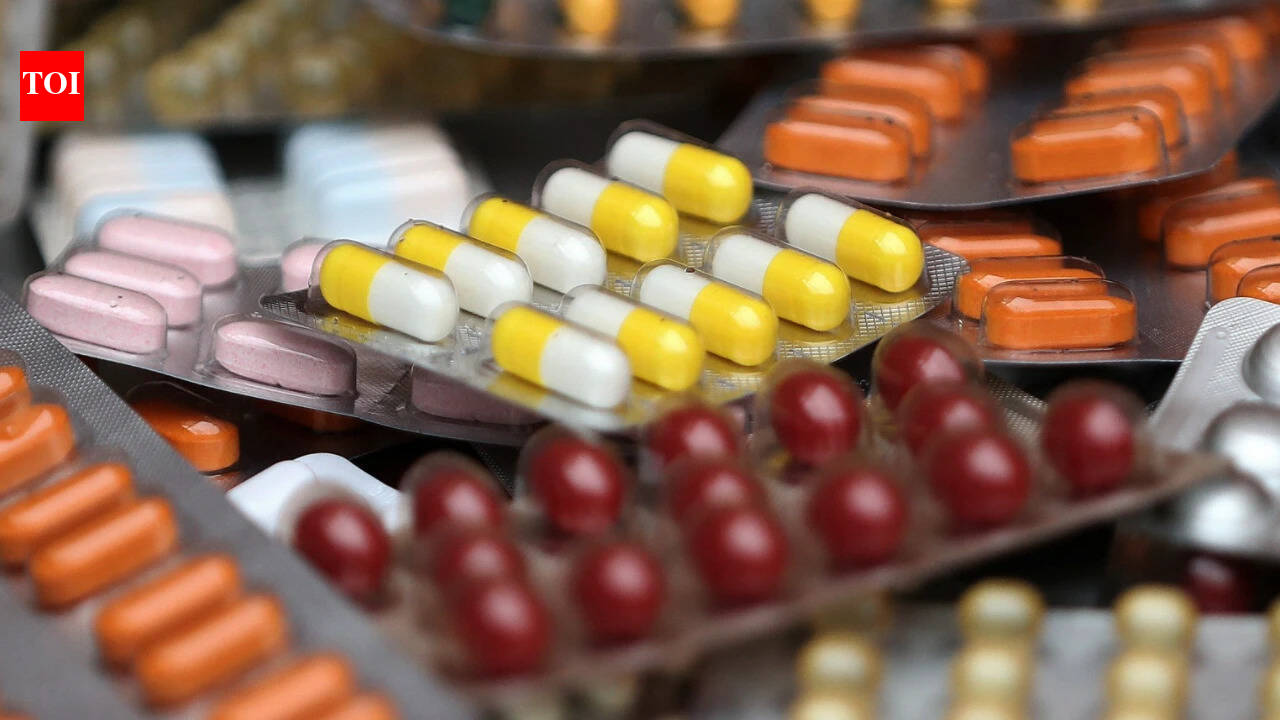
The Indian government is capping trade margins on 137 anti-cancer drugs at 30%, effective November 9, 2026. This move, prompted by Supreme Court concerns over price disparities, aims to significantly reduce patient costs for essential oncology treatments.
Addressing the Cost of Cancer Care: A Regulatory Milestone
In a significant move toward healthcare affordability, the Indian government has announced a major reduction in the prices of 137 anti-cancer drugs, with costs set to decrease by up to 70% effective November 9, 2026. This intervention follows a direct nudge from the Supreme Court, which highlighted the alarming disparity between the price at which medicines are sold to retailers and the Maximum Retail Price (MRP) charged to patients. By invoking Paragraph 19 of the Drugs (Prices Control) Order (DPCO), 2013, the National Pharmaceutical Pricing Authority (NPPA) has taken decisive action to cap trade margins at 30%.
The Mechanics of Margin Rationalization
The core issue addressed by this notification is the excessive markups in the pharmaceutical supply chain. By capping trade margins at 30% over the cost at the first point of sale—whether that point is a stockist or a hospital—the government is effectively curbing the inflation of drug prices before they reach the consumer. This rationalization ensures that the financial burden on cancer patients is not artificially inflated by intermediary costs, a practice that has long been a subject of judicial and public scrutiny.
Impact on Essential and Patented Therapies
What makes this development particularly impactful is the inclusion of patented drugs in the list. Medications such as pembrolizumab, ribociclib, and abemaciclib, which are often prohibitively expensive due to their specialized nature and intellectual property protection, are now subject to these price caps. This decision underscores the government's intent to balance the rights of pharmaceutical innovators with the fundamental right to affordable medical treatment, ensuring that cutting-edge oncology therapies remain accessible to a broader segment of the population.
The Role of Regulatory Oversight
This policy shift is the culmination of an expert committee's work under the Director General of Health Services, which identified these 137 drugs as essential for cancer treatment. The NPPA’s mandate is clear: manufacturers must submit their revised MRPs within seven days to ensure compliance. By formalizing these price caps through a gazette notification, the government has established a clear legal framework that remains in force until further orders, providing much-needed stability in the oncology drug market.
Broader Implications for Healthcare Policy
This regulatory intervention sets a precedent for how the government may approach the pricing of other critical, non-scheduled medicines in the future. The shift signals a move toward a more patient-centric model of healthcare, where the state intervenes to correct market failures that impede access to life-saving drugs. As the pharmaceutical industry adjusts to these new margins, the long-term trend suggests a tightening of regulatory oversight across the healthcare sector to ensure that the cost of care does not become a barrier to survival.
Conclusion: A Path to Greater Affordability
The reduction of cancer drug prices by up to 70% represents a monumental relief for patients and families facing the financial strain of chronic illness. By streamlining the supply chain costs and enforcing a 30% margin cap, the NPPA has effectively addressed the "huge gap" flagged by the Supreme Court. While this is a specific intervention for oncology, the success of this initiative could lead to a broader re-evaluation of how life-saving medications are priced and distributed across India’s healthcare ecosystem.