85% of fuel dispensing nozzles checked across petrol stations in Karnataka found to be defective
Source Entity
India Latest News: Top National Headlines Today & Breaking News | The Hindu
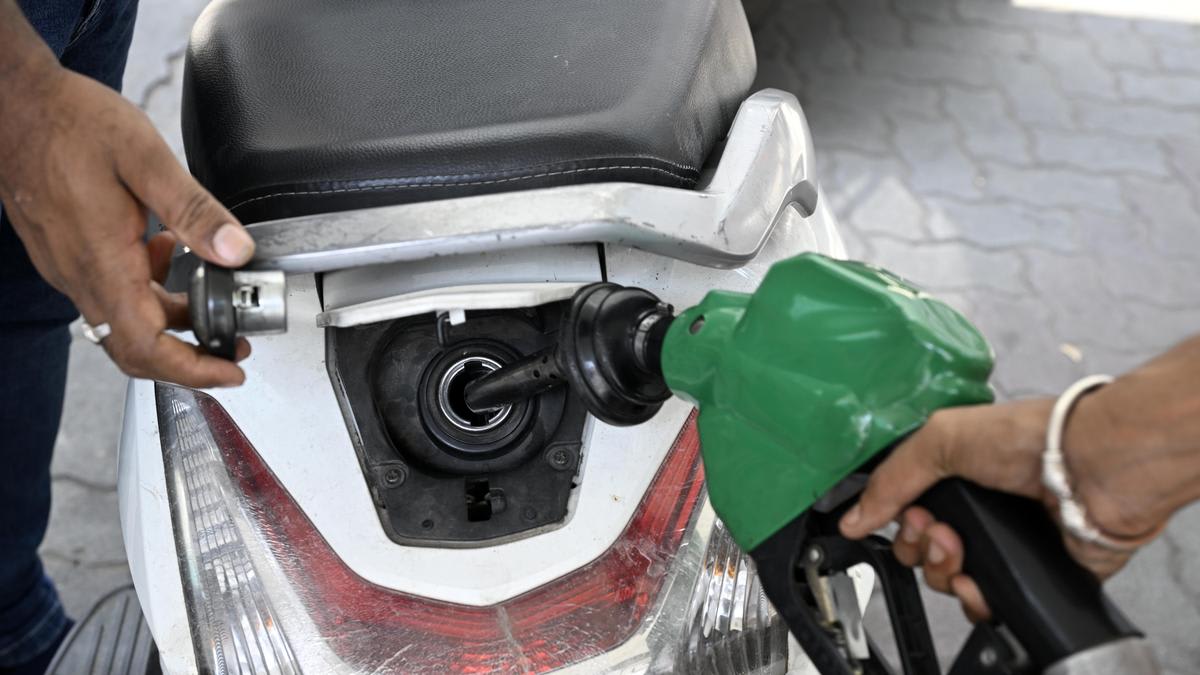
A recent inspection of 805 petrol stations in Karnataka revealed that 85% of fuel nozzles were defective, leading to significant consumer losses. Authorities have penalized 101 stations and levied fines following reports of fuel dispensation errors exceeding permissible limits.
Widespread Fuel Dispensation Irregularities in Karnataka
Recent inspections conducted across Karnataka have uncovered a startling reality regarding fuel retail operations: approximately 85.2% of fuel dispensing nozzles examined were found to be defective. The scale of this operation involved checking 3,071 individual nozzles across 805 petrol stations. This discovery highlights a systemic issue in how fuel is measured and delivered to the public, raising significant concerns about consumer protection and the integrity of fuel retail standards.
The Scope and Methodology of Inspections
The Department of Food, Civil Supplies, and Consumer Affairs deliberately targeted 805 petrol stations for this audit, specifically focusing on those that had undergone recalibration within the last 12 months. Despite this recent maintenance, the failure rate was alarmingly high. According to Minister Rizwan Arshad, the inspections were triggered by a surge in direct consumer complaints, which prompted an intensive eight-day verification exercise to quantify the extent of the discrepancies.
Defining the Threshold of Error
Under regulatory standards, there is a permissible limit for fuel dispensation errors to account for mechanical variance. However, at 101 of the inspected stations, the error rate significantly exceeded the allowed threshold of 25 ml per five litres (or 50 ml per 10 litres). This indicates that consumers at these specific locations were consistently receiving less fuel than they were paying for, resulting in a direct financial loss for the average motorist.
Regulatory Context and Policy Implications
The timing of these findings is particularly significant given the Union government’s current policy discourse regarding the frequency of legal metrology inspections. While the government has proposed extending the mandatory recalibration cycle from 12 months to 24 months, the high failure rate among stations that were calibrated less than a year ago suggests that current oversight mechanisms may be insufficient. This data provides a strong counter-argument to the proposed deregulation, emphasizing the necessity of frequent, rigorous checks.
Penalties and Future Oversight
In response to these findings, the state government has taken decisive action by registering cases against the 101 non-compliant petrol pumps and levying a total of Rs 6.66 lakh in fines. Minister Arshad has confirmed that these inspections are not an isolated event but rather part of a broader, ongoing initiative to clean up the sector. As the state continues its crackdown, the focus remains on ensuring that consumers receive the exact quantity of fuel for which they have paid.
Conclusion: Moving Toward Accountability
The revelation of widespread defects in fuel dispensing equipment serves as a stark reminder of the importance of consumer advocacy and state oversight. By systematically identifying and penalizing stations that fail to meet legal metrology standards, the Karnataka government is attempting to restore trust in the retail fuel market. Future trends suggest that the state will likely maintain a heightened level of scrutiny to ensure that petrol pumps adhere to strict calibration standards, potentially influencing national policy on how fuel accuracy is monitored across India.
Multiple Citing Sources
Verification Required?