CRPF Deployed In Thiruparankundram After Supreme Court's Deepam Lighting Order
Source Entity
Latest News: Todays Latest News Headlines from India & World | Hindustan Times
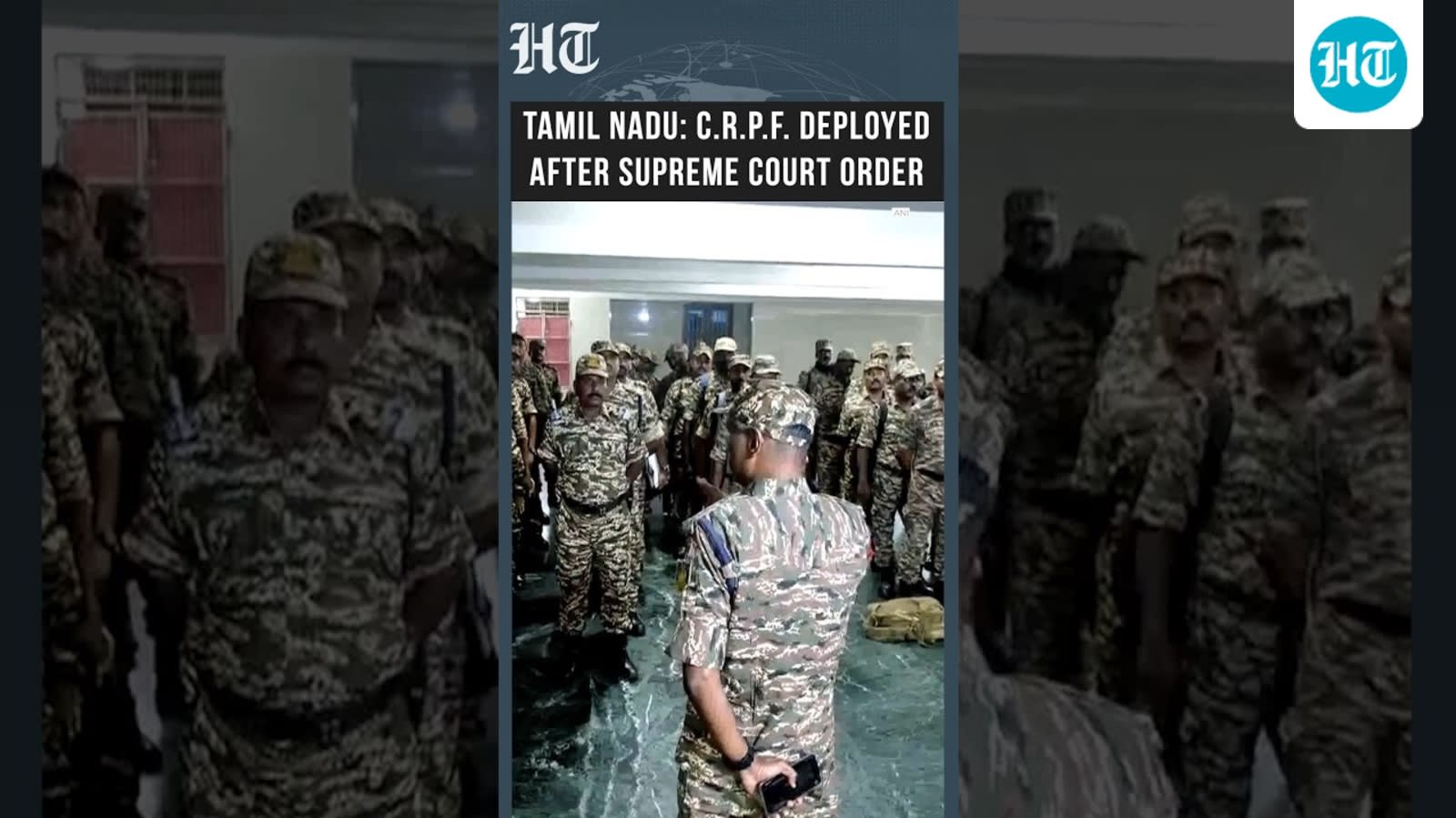
The Karthigai Deepam festival saw massive celebrations at Tiruvannamalai's Arunachaleswarar Temple. Meanwhile, a legal and traditional dispute emerged in Thirupparankundram, where authorities lit the ceremonial lamp at the traditional spot despite Supreme Court directions for a new location.
The Significance of Karthigai Deepam: A Spiritual and Cultural Overview
The Karthigai Deepam festival represents one of the oldest and most significant observances in Tamil Nadu, serving as a profound intersection of faith, heritage, and regional identity. On Tuesday, the town of Tiruvannamalai witnessed a massive influx of devotees congregating at the historic Arunachaleswarar Temple, marking the culmination of a festival that began on November 15. The lighting of the ‘Maha Deepam’ atop the Arunachala Hill serves as the spiritual centerpiece of these observances, drawing thousands who chant in unison, reflecting the deep-seated cultural reverence for the deity Arunachaleshwara.
Rituals and Administrative Oversight in Tiruvannamalai
The celebrations in Tiruvannamalai were characterized by meticulous ritual adherence, beginning with the lighting of the ‘Bharani Deepam’ at 4 a.m. and concluding with the grand illumination at 6 p.m. The presence of high-ranking government officials, including Minister for Hindu Religious and Charitable Endowments S. Ramesh and District Collector Vandhana Garg, underscores the state's active role in facilitating these large-scale religious events. Such involvement is crucial for managing the logistical challenges posed by the 'sea of devotees' and ensuring that the ancient traditions are upheld within a modern governance framework.
The Legal and Traditional Standoff in Thirupparankundram
Contrasting the harmonious proceedings in Tiruvannamalai, the situation at the Thirupparankundram temple was marked by significant legal and social friction. A dispute arose concerning the specific location for the lighting of the Karthigai Deepam, pitting Supreme Court mandates against traditional practices. While the court had ordered a 'limited one-time arrangement' to light the lamp at a newly identified 'deepathoon' on the hillock, local authorities chose to adhere strictly to the established traditional spot, citing the governing 'Agama' rules as the basis for their decision.
The Role of the Judiciary and Political Polarization
This defiance of the Supreme Court's direction by administrative officials has triggered a volatile political environment. The Madurai Bench of the Madras High Court had been overseeing the compliance of Madurai Collector Nishant Krishna regarding the court-ordered arrangements. The subsequent decision to bypass the new location in favor of tradition led to immediate protests by BJP members and various Hindu outfits, who viewed the move as a departure from judicial compliance. Conversely, ruling party allies, including the Left parties, the VCK, and the MDMK, supported the government’s decision to prioritize traditional ritual locations over the court-mandated site.
Implications for Future Religious Governance
The events at Thirupparankundram highlight an increasing tension between judicial oversight in religious affairs and the preservation of long-standing 'Agama' traditions. As courts continue to interpret how religious rituals should be performed, the friction between state administration, political factions, and traditionalist groups is likely to intensify. The government’s choice to favor tradition over judicial directives sets a complex precedent, suggesting that in matters of deeply held cultural practice, the pressure to maintain historical continuity often outweighs the directives of modern legal frameworks. This situation serves as a bellwether for future disputes, where the intersection of law, politics, and faith will remain a central point of contention in Tamil Nadu's sociopolitical landscape.
Multiple Citing Sources
Verification Required?