This Tamil restaurant in Chandigarh refuses to sweeten its sambar
Source Entity
India Latest News: Top National Headlines Today & Breaking News | The Hindu
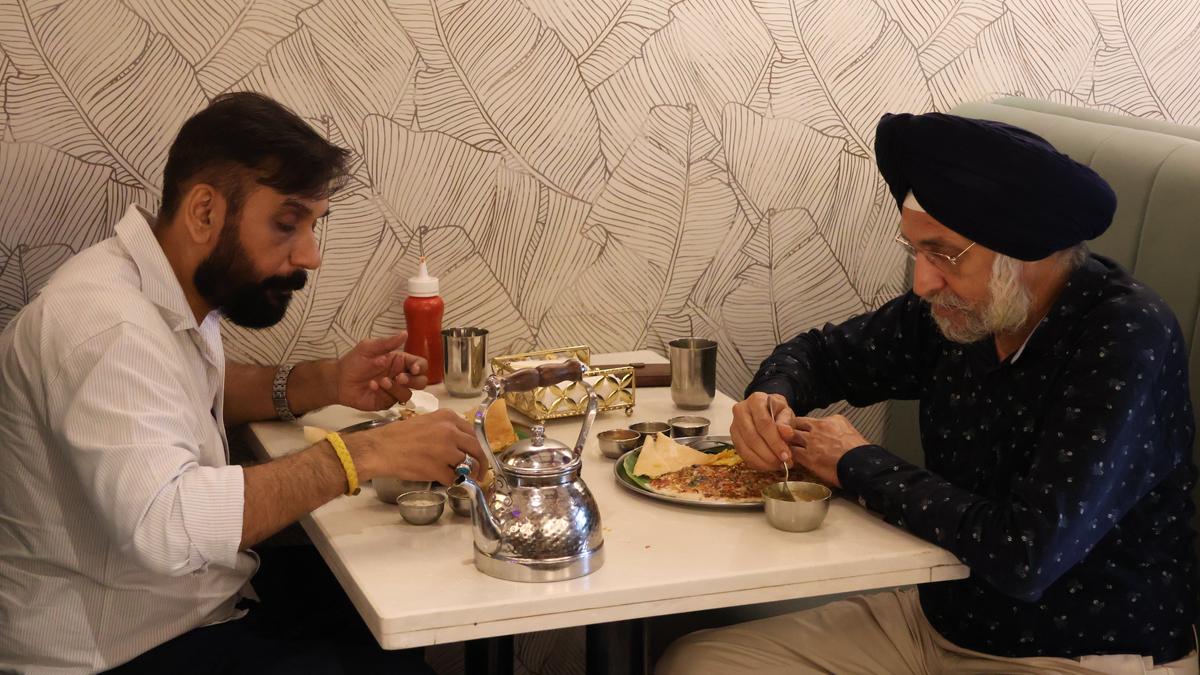
Gunasekaran P, founder of Karthik South Indian Restaurant, maintains culinary authenticity by refusing to sweeten his sambar despite a predominantly North Indian customer base. His commitment to traditional Tamil recipes has helped scale his business across Chandigarh and Ludhiana.
The Uncompromising Taste of Authenticity
In the culinary landscape of Chandigarh, where regional palates often dictate the evolution of menus, Gunasekaran P, the founder of Karthik South Indian Restaurant, stands as a notable exception. Operating out of Sector 46, he has maintained a steadfast commitment to traditional Tamil recipes. Most notably, he refuses to sweeten his sambar, a practice often demanded by local diners accustomed to the slightly sweeter variations common in North Indian adaptations of South Indian cuisine.
Scaling Tradition Amidst Cultural Shifts
Despite the fact that nine out of every 10 customers at his establishments are North Indian, Gunasekaran has not succumbed to the pressure of regional palate modification. This decision is not merely a matter of stubbornness but a strategic brand identity choice. By preserving the sharp, tangy, and spicy profile of authentic Tamil sambar, he has successfully carved a niche for his restaurant chain, which has now expanded to over 10 outlets across Chandigarh and Ludhiana.
Operational Discipline and Early Adoption
Success in the restaurant business is often built on operational discipline. Gunasekaran’s routine begins at 4:00 AM, focusing on the careful selection of fresh ingredients like drumsticks and pumpkin. His influence on the local market is evident; by initiating a 7:00 AM opening time—a departure from the traditional 11:00 AM start time common in the region—he effectively shifted the operational norms of local eateries. Many competitors have since followed suit, adopting his earlier opening hours.
The Economics of Authenticity
From a business perspective, catering to a demographic that primarily demands a different flavor profile while maintaining a rigid recipe is a high-stakes gamble. However, the growth of Karthik South Indian Restaurant suggests that consumers are increasingly seeking 'authentic' experiences rather than localized compromises. Gunasekaran’s ability to scale from a single 'mess' to a multi-city chain demonstrates that quality and consistency can overcome the barriers of regional taste preferences.
Future Trends in Regional Cuisine
This trend signals a broader shift in the Indian food and beverage sector, where regional authenticity is becoming a premium asset. As consumers become more well-traveled and culturally aware, the demand for 'original' regional flavors is rising. Gunasekaran’s model serves as a case study for future entrepreneurs: prioritize the core identity of the cuisine, maintain rigorous operational standards, and trust that the market will reward genuine quality over mass-market adaptation.
Concluding Insights
Ultimately, the story of Karthik South Indian Restaurant is one of cultural preservation through commerce. By refusing to alter the fundamental flavor profile of his sambar, Gunasekaran has turned a potential business risk into a hallmark of his brand. His story proves that even in a market dominated by different culinary expectations, there is significant room for those who hold fast to their roots.
Verification Required?