Karthik Subbaraj's Dorothy got a standing ovation at TIFF but faces homophobia back home; internet defends film
Source Entity
Latest News: Todays Latest News Headlines from India & World | Hindustan Times | Hindustan Times
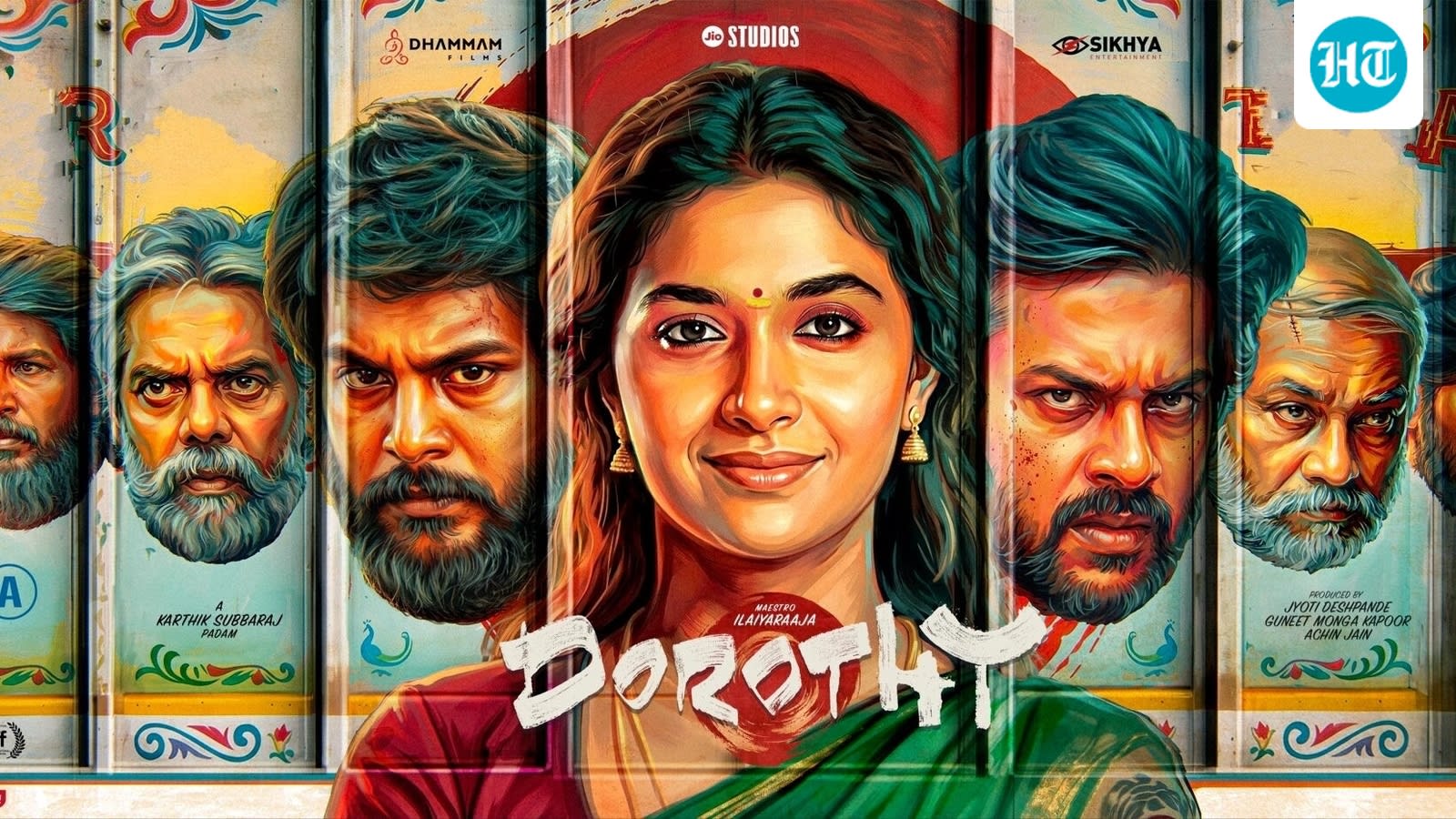
Karthik Subbaraj's film 'Dorothy' received international acclaim at TIFF but faces domestic backlash for its queer themes. Director Mohan G Kshatriyan's criticism of the film as an 'erosion of culture' has been met with significant public pushback.
The Polarizing Reception of 'Dorothy'
Karthik Subbaraj's latest cinematic venture, Dorothy, has become the center of a heated cultural discourse following its recent release. The film, which garnered a standing ovation during its screening at the Toronto International Film Festival (TIFF), represents a significant step forward in queer storytelling within the Indian film industry. However, the international praise stands in stark contrast to the reception it has faced in domestic markets, where the film has been met with organized calls for a boycott and instances of overt homophobia.
The Clash of Ideologies
The central tension surrounding Dorothy highlights a deepening divide within the Tamil film industry, often referred to as Kollywood. While creators are increasingly pushing boundaries to include diverse, queer-friendly narratives, there remains a vocal segment of the industry and the audience that views these themes as a threat to traditional values. This friction manifested clearly when director Mohan G Kshatriyan—known for films like Draupathi and Bakasuran—alleged that LGBTQ representation in contemporary cinema is 'funded' specifically to 'erode culture.'
Public Pushback and Digital Discourse
Kshatriyan’s comments, which sought to frame inclusive storytelling as a malicious, external effort, were met with swift and decisive backlash online. Social media users and advocates for equality effectively 'schooled' the director, pointing out the regressive nature of his claims. This digital defense of Dorothy signifies a shift in the power dynamics of film criticism, where audiences are increasingly unwilling to let exclusionary rhetoric go unchallenged, favoring instead the normalization of diverse identities on screen.
Broader Implications for Kollywood
The controversy underscores the precarious state of progressive filmmaking in India. As directors like Karthik Subbaraj continue to integrate nuanced queer perspectives into their work, they are forced to navigate a landscape where their art is weaponized by cultural gatekeepers. This debate is not merely about a single film, but about who gets to define the 'culture' of modern cinema and whether that definition is allowed to evolve to include all members of society.
Future Trends in Regional Cinema
Looking ahead, the success of Dorothy at international forums like TIFF suggests that there is a global appetite for authentic, diverse Indian storytelling. However, the domestic resistance highlights the work that remains to be done in fostering cultural acceptance. Future trends will likely show a continued bifurcation in the industry: one path continuing to cater to traditionalist narratives and another, more globalized path, that embraces the complexities of modern human experience, regardless of the political cost.
Conclusion
Ultimately, the discourse surrounding Dorothy serves as a litmus test for the maturity of the Indian film industry. While the vitriol from detractors is significant, the enthusiastic support from audiences and the international recognition of the film's quality suggest that the tide is turning. The ability of the industry to withstand such pressures will determine whether it can truly become an inclusive space for all voices, or if it will remain tethered to the constraints of the past.
Multiple Citing Sources
Verification Required?