Kashmir’s July 13 Martyrs’ Day: History and controversy
Source Entity
India Latest News: Top National Headlines Today & Breaking News | The Hindu
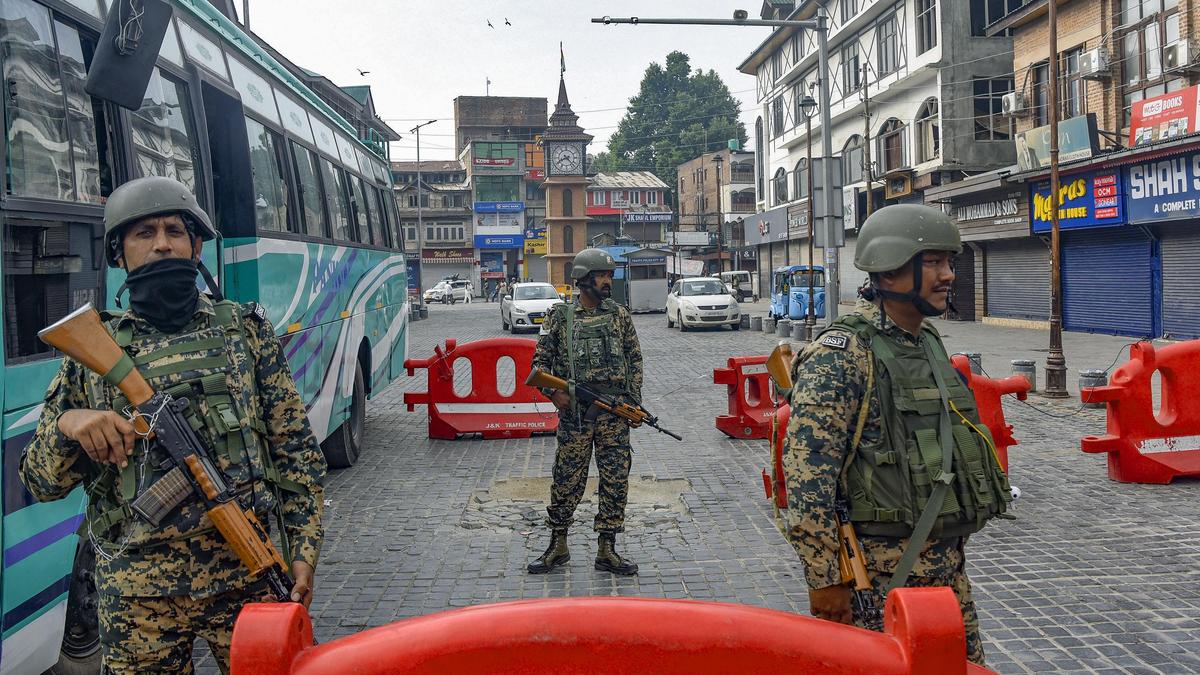
Here’s how the events of July 13, 1931, a mass shooting in Srinagar, became Kashmir’s Martyrs’ Day and changed the Valley’s political history
The Legacy of July 13: Understanding Kashmir's Martyrs' Day
July 13 stands as one of the most significant and contested dates in the political calendar of the Kashmir Valley. Known as Martyrs' Day, it commemorates the events of July 13, 1931, when a mass shooting took place in Srinagar. This event did not occur in a vacuum; it was the culmination of growing resentment against the autocratic rule of the Dogra dynasty, which had governed the region since the Treaty of Amritsar in 1846. The incident served as a flashpoint that transformed sporadic grievances into a structured political movement, forever altering the trajectory of the region's governance and identity.
The Catalyst: The 1931 Srinagar Shooting
The events of 1931 were triggered by a combination of socio-economic marginalization and a specific legal provocation. The arrest and trial of Abdul Qadeer, a religious leader, sparked widespread protests among the local population. On July 13, a large crowd gathered outside the Srinagar central jail to protest the trial and demand the release of political prisoners. The situation escalated when the state forces opened fire on the unarmed protesters, resulting in numerous casualties. This act of state violence became a symbol of oppression and provided the Kashmiri people with a shared narrative of martyrdom and resistance, shifting the focus from localized complaints to a broader demand for civil liberties and political representation.
Political Awakening and the Rise of Organized Resistance
Following the massacre, the political landscape of the Valley underwent a rapid transformation. The shock of the July 13 killings galvanized the local elite and the masses alike, leading to the formation of organized political entities. Most notably, this period saw the emergence of the All Jammu and Kashmir Muslim Conference, which sought to advocate for the rights of the majority population under the Dogra regime. The event bridged the gap between the intellectual class and the common citizenry, creating a unified front that challenged the legitimacy of the monarchy. This political awakening laid the groundwork for subsequent movements that would eventually lead to the complex geopolitical struggles of the mid-20th century.
The Core of the Controversy
Despite its symbolic importance, July 13 is shrouded in historical controversy. The primary point of contention lies in the narratives surrounding the number of casualties and the exact sequence of events leading to the firing. Different political regimes and historians have interpreted the day through varying lenses—some viewing it as a purely nationalist awakening, others as a communal mobilization, and some as a manufactured narrative used for political leverage in later decades. The controversy extends to how the day has been officially recognized or suppressed by various administrations, reflecting the shifting political tides in the region and the struggle over who controls the historical memory of the Valley.
Broader Implications and Future Trends
In a broader context, Martyrs' Day represents the intersection of identity, religion, and political aspiration. The memory of the 1931 shooting continues to be invoked in contemporary political discourse to legitimize claims of systemic marginalization. Looking forward, the interpretation of July 13 is likely to remain a barometer for the relationship between the local population and the central governing authority. As historical archives are further scrutinized and new narratives emerge, the day will continue to serve as a focal point for discussions regarding human rights, state accountability, and the enduring quest for political agency in Kashmir.
Summary
In conclusion, the events of July 13, 1931, were far more than a localized tragedy; they were the catalyst for a systemic political shift in Kashmir. By transforming a mass shooting into a day of remembrance, the region codified its history of resistance against autocratic rule. While the details remain subject to historical debate and political controversy, the legacy of Martyrs' Day persists as a powerful symbol of the Valley's complex journey toward political consciousness.
Verification Required?