KCET 2026 provisional seat allotment result out, objection window closes today
Source Entity
The Indian Express
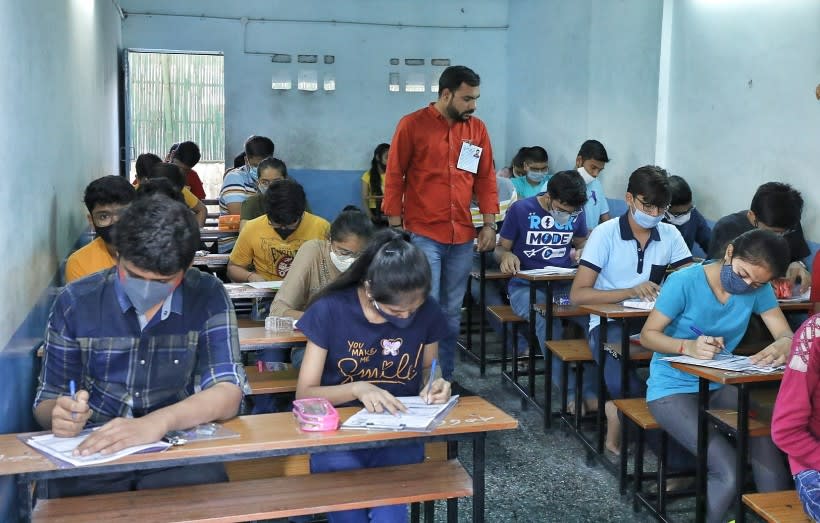
The Karnataka Examinations Authority (KEA) has released the provisional Round 1 seat allotment result for KCET (UGCET) 2026 counselling. Candidates who registered for admissions to engineering and oth...
KCET 2026: Analysis of Provisional Round 1 Seat Allotment
The Karnataka Examinations Authority (KEA) has reached a critical juncture in the academic admission cycle with the release of the provisional Round 1 seat allotment results for the Karnataka Common Entrance Test (KCET/UGCET) 2026. This phase represents the first tangible outcome for thousands of aspirants seeking admission into professional undergraduate courses, primarily in engineering, pharmacy, and agriculture across the state of Karnataka. The announcement marks the transition from the theoretical rank-list phase to the actual placement of students into institutions based on merit and preference.
The Mechanics of Provisional Allotment
Provisional allotment serves as a preliminary mapping of candidates to available seats. Unlike a final allotment, this stage allows the KEA to verify that the seat distribution aligns with the candidates' submitted preference lists and the available vacancy matrix. The process is highly algorithmic, balancing state-wide quotas, category-based reservations, and the individual ranks of the students. By releasing these results provisionally, the authority provides a safety net, ensuring that any systemic errors or data mismatches can be identified before the admissions become legally binding.
The Criticality of the Objection Window
One of the most time-sensitive aspects of this announcement is the closing of the objection window today. The objection window is a vital administrative mechanism that allows candidates to challenge their allotment if they believe there has been an error in the process—such as a failure to consider a valid category reservation or a discrepancy in the preference order. For students, missing this deadline often means forfeiting the right to contest the provisional result, potentially locking them into a course or college that does not align with their goals or eligibility. This narrow window emphasizes the need for extreme vigilance and prompt action from the student community.
Broader Implications for Higher Education in Karnataka
The KCET process is a reflection of the intense competition for professional degrees in South India. With a high density of prestigious engineering and medical colleges in Karnataka, the seat allotment process is often fraught with tension. The transition to a more digitized and transparent allotment system by the KEA aims to reduce the historical grievances associated with manual errors and lack of transparency. However, the reliance on strict deadlines for objections indicates a rigid administrative framework designed to process massive volumes of data within a limited timeframe to ensure the academic year begins on schedule.
Future Trends in Admission Counselling
Looking ahead, it is likely that the KEA and similar state authorities will move toward more dynamic, real-time allotment systems. The current "provisional-then-final" model, while effective for error correction, creates significant anxiety for students during the waiting period. Future iterations of the UGCET counselling process may integrate AI-driven preference suggestions and automated validation of documents to minimize the need for an objection window entirely. This would streamline the journey from examination to enrollment, reducing the administrative burden on both the state and the candidates.
Summary of Current Status
In conclusion, the release of the KCET 2026 provisional Round 1 results is a pivotal moment for students. While the allotment provides a glimpse into their academic future, the immediate priority remains the objection deadline. Candidates must verify their details and submit any grievances immediately to ensure their seat is secured and correctly assigned, paving the way for the final allotment and subsequent college reporting phase.