Kejriwal Alleges E20 Petrol Is Damaging Vehicles, Urges Centre to Offer Consumer Choice
Source Entity
Latest News: Today's Latest News Headlines from India & World | Hindustan Times | Hindustan Times
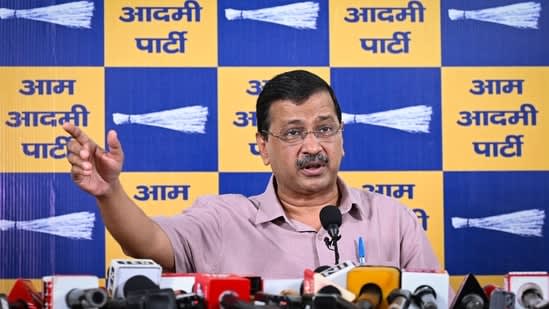
AAP chief cites interactions with mechanics and vehicle owners, claims motorists are facing lower mileage and higher maintenance costs.
Analysis of E20 Petrol Controversy: Political Friction and Technical Concerns
In a recent development that highlights the intersection of environmental policy and consumer rights, Aam Aadmi Party (AAP) chief Arvind Kejriwal has raised significant alarms regarding the rollout of E20 petrol. By citing direct interactions with vehicle owners and automotive mechanics, Kejriwal alleges that the 20% ethanol-blended fuel is leading to a noticeable decline in vehicle performance, specifically citing lower fuel mileage and an increase in maintenance requirements. This claim places the Central Government's ambitious green energy goals in direct conflict with the perceived economic burden placed on the average Indian motorist.
The Technical Friction of Ethanol Blending
To understand the basis of Kejriwal's claims, it is essential to analyze the chemical properties of ethanol. Ethanol is hygroscopic, meaning it absorbs water from the atmosphere, which can lead to phase separation in fuel tanks. Furthermore, higher concentrations of ethanol can be corrosive to certain rubber seals, gaskets, and plastic components in older internal combustion engines that were not specifically designed for E20 compatibility. When Kejriwal references reports from mechanics, he is likely tapping into a genuine technical concern: that a significant portion of the existing vehicle fleet in India is 'non-compliant,' making them susceptible to fuel system degradation and engine inefficiency when using high-blend fuels.
Economic Implications and the Mileage Gap
One of the most critical points raised in this discourse is the issue of 'lower mileage.' From a thermodynamic perspective, ethanol has a lower energy density than pure gasoline. Consequently, a vehicle running on E20 petrol typically requires more fuel to cover the same distance compared to E10 or pure petrol. For the end-consumer, this manifests as a drop in fuel efficiency, effectively increasing the cost per kilometer. By highlighting this, Kejriwal is framing the E20 mandate not just as a technical hurdle, but as a hidden tax on the middle and lower-income classes who rely on older vehicles and cannot afford immediate upgrades to E20-compliant models.
The Political Dimension of 'Consumer Choice'
Kejriwal's demand that the Centre offer 'consumer choice' is a strategic political move. By advocating for the availability of different fuel grades, he is positioning the AAP as a defender of the common citizen against a top-down mandate from the Central Government. The Ethanol Blending Program (EBP) is a cornerstone of India's strategy to reduce crude oil import dependency and support the domestic sugar industry. However, by focusing on the lack of choice, Kejriwal is arguing that the transition to sustainable energy should not be forced upon the population without adequate infrastructure or alternatives for those with older machinery.
Balancing Environmental Goals with Infrastructure Reality
India's push toward E20 is driven by a desire to lower carbon emissions and boost agricultural income through ethanol production. However, the friction described by Kejriwal suggests a gap between policy ambition and ground-level readiness. While new vehicles are being manufactured to be E20-ready, the millions of legacy vehicles on the road remain a vulnerability. This creates a systemic risk where the environmental benefit of reduced emissions might be offset by the premature scrapping of vehicles or increased repair waste, as owners struggle to maintain engines damaged by corrosive fuel blends.
Future Outlook and Potential Resolutions
Moving forward, this controversy is likely to intensify as E20 becomes the standard across more fuel stations. To mitigate the backlash cited by political figures like Kejriwal, the government may need to consider a more nuanced rollout, such as maintaining the availability of lower-blend fuels for a transitional period or providing incentives for vehicle owners to upgrade their fuel systems. The outcome of this debate will likely determine whether India's transition to bio-fuels is viewed as a collective national success or a forced imposition that penalized the existing vehicle-owning population.
Summary: The clash over E20 petrol reflects a broader struggle between aggressive national sustainability targets and the practical, economic realities of the consumer. Arvind Kejriwal's allegations serve as a catalyst for a necessary conversation on fuel compatibility and the importance of consumer autonomy during a major energy transition.
Verification Required?