'Not Gandhiji, would kill more people': Kerala double murder convict shows no remorse in court
Source Entity
TNN
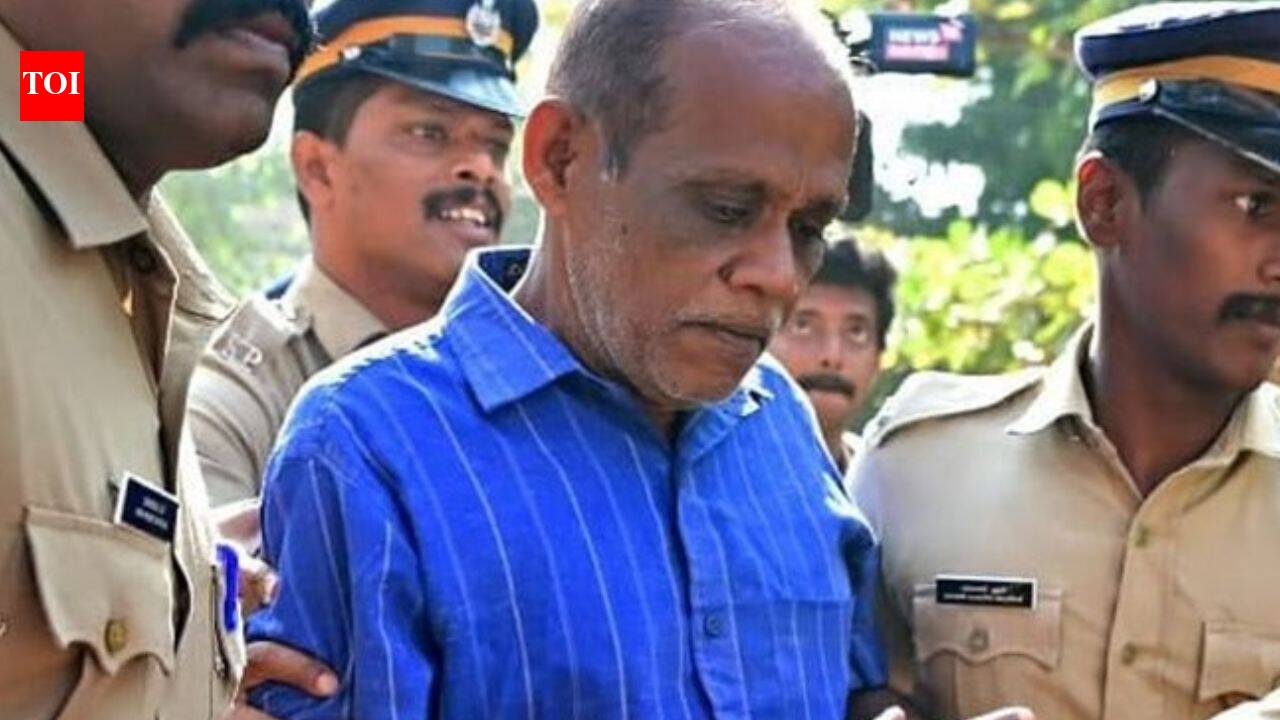
A convicted murderer showed no remorse after his guilty verdict in a sensational double murder case. Chenthamara stated he would not object to being hanged and would kill more people. He was convicted of murdering Sudhakaran and his elderly mother in Palakkad. This double murder was reportedly a revenge killing stemming from a prior case. The court will pronounce the sentence on Wednesday, concluding the trial.
Chilling Defiance: The Palakkad Double Murder Verdict
The legal proceedings in Palakkad, Kerala, have culminated in a verdict that is as harrowing as the crime itself. Chenthamara, the primary accused in a brutal double murder, has not only been found guilty by the court but has used the courtroom as a platform to express a disturbing lack of empathy and a total absence of remorse. This case highlights a chilling intersection of personal vendetta and a complete disregard for the sanctity of human life, leaving the community and the legal observers in shock.
The Anatomy of a Revenge Killing
The victims of this heinous crime were Sudhakaran and his elderly mother, both of whom were targeted in a calculated attack. According to the case details, this was not a random act of violence but a revenge killing stemming from a prior legal or personal dispute. The decision to include an elderly parent in the violence underscores the extreme nature of the convict's malice; targeting a vulnerable senior citizen indicates that the perpetrator's desire for retribution outweighed any remaining moral boundaries or social inhibitions.
Psychological Analysis of the Convict's Defiance
The convict's statement, "Not Gandhiji, would kill more people," is a significant psychological marker. By explicitly contrasting himself with Mahatma Gandhi—the global symbol of non-violence and peace—Chenthamara is not merely being provocative; he is rejecting the fundamental moral and ethical fabric of society. This level of defiance suggests a personality profile associated with antisocial behavior or a deep-seated pathology where violence is viewed as a legitimate tool for conflict resolution. In a judicial setting, such statements often indicate a low probability of rehabilitation.
Legal Implications and the 'Rarest of Rare' Doctrine
The convict's admission that he would not object to being hanged brings the case into the conversation regarding the death penalty in India. Indian courts typically apply the "rarest of rare" doctrine to determine if a crime warrants capital punishment. The combination of a double murder, the targeting of an elderly person, and a total lack of remorse—coupled with a stated desire to commit further killings—provides the prosecution with strong arguments for the maximum possible sentence. The court's decision on Wednesday will likely reflect the gravity of the crime and the dangerous mindset of the offender.
Societal Impact and the Cycle of Violence
This case serves as a grim reminder of how unresolved disputes can escalate into extreme violence when individuals bypass the legal system in favor of personal vendettas. While Kerala is generally known for its high literacy rates and social stability, such violent outbursts highlight the persistent danger of revenge-driven crimes. This event underscores the necessity for better conflict resolution mechanisms and the critical role of the judiciary in providing timely justice to prevent individuals from taking the law into their own hands.
Conclusion and Future Outlook
As the court prepares to pronounce the sentence, the focus remains on the necessity of a punishment that fits the brutality of the act. The case of Chenthamara will likely be cited in future discussions regarding criminal psychology and the sentencing of unrepentant offenders. The final judgment will not only serve as justice for Sudhakaran and his mother but will also send a clear signal that extreme violence and a lack of remorse will be met with the full severity of the law.