What Kerala’s elder-friendly office certification means
Source Entity
Anish Mondal
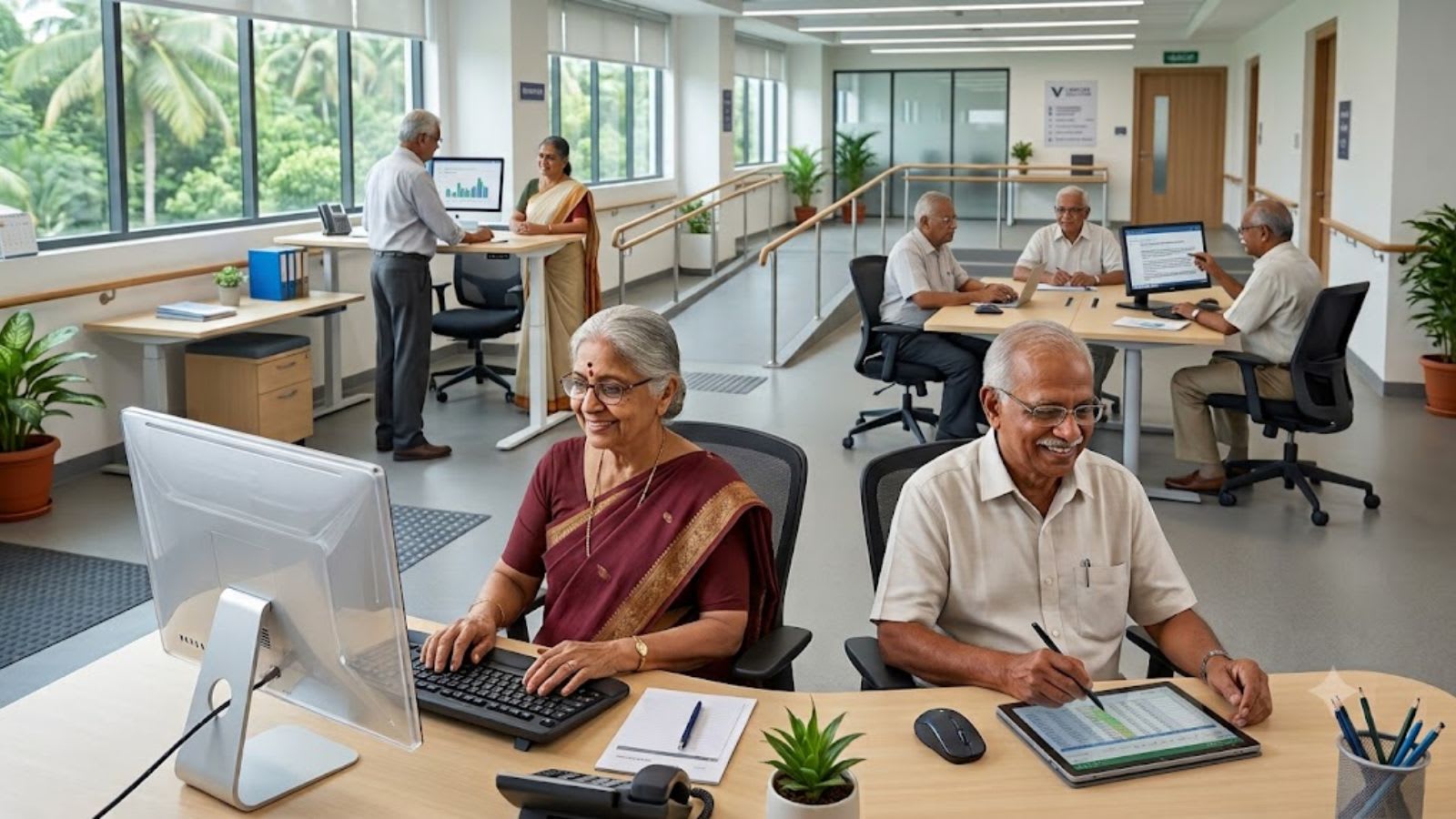
Kerala has launched India's first Elder-Friendly Office Certification to improve accessibility for senior citizens in public spaces. The initiative uses a tiered grading system to address common architectural and procedural barriers faced by the elderly.
Kerala Pioneers India's First Elder-Friendly Office Certification
Kerala has officially launched the nation's first Elder-Friendly Office Certification (EFOC), an initiative spearheaded by the Department of Senior Citizens’ Welfare. This program represents a significant policy shift in how public institutions address the logistical and physical challenges encountered by an aging population. By formalizing these standards, the state aims to transform the administrative experience for seniors, moving away from exclusionary design toward inclusive governance.
Addressing Systemic Barriers
The necessity for this certification stems from the multifaceted difficulties senior citizens frequently encounter in government offices. These include, but are not limited to, long standing queues, the absence of assistive infrastructure like handrails, and inaccessible physical layouts that require climbing stairs to reach service counters. Additionally, the initiative addresses administrative barriers, such as forms utilizing small print, which create unnecessary friction for those with visual or mobility impairments. By implementing a standardized certification, the state is effectively forcing a systemic redesign of public service delivery.
The Certification Framework
To ensure accountability, the Department of Senior Citizens’ Welfare has established a rigorous inspection protocol. Offices will be audited against clear, common standards to determine their compliance with accessibility requirements. Based on the findings of these inspections, institutions will be awarded one of three tiers: Gold, Silver, or Bronze certificates. This tiered approach incentivizes continuous improvement, as offices are encouraged to upgrade their facilities to achieve higher ratings, thereby fostering a competitive environment for public service excellence.
Global Inspiration and Local Adaptation
The conceptual framework for the EFOC draws inspiration from international best practices, specifically the Sharjah model in the UAE and the World Health Organization’s Age-Friendly Cities network. By aligning with these global benchmarks, Kerala is positioning itself as a leader in social welfare policy within India. This adaptation of international standards to a local government context highlights a strategic effort to integrate global expertise into the state's welfare infrastructure.
Broader Implications and Future Trends
This certification model signals a broader trend toward age-responsive urban and administrative planning. As India’s demographic profile shifts toward an older population, the pressure on public institutions to provide dignified access will only increase. The EFOC program serves as a pilot for potential national-level policies, demonstrating that small, structural changes—such as better signage, accessible counters, and ergonomic design—can drastically improve the quality of life for the elderly. If successful, this model could be replicated across other Indian states, setting a new baseline for public service accessibility.