Khajaguda junction restrictions may push traffic onto internal roads; Cyberabad Police map three alternative routes
Source Entity
India Latest News: Top National Headlines Today & Breaking News | The Hindu
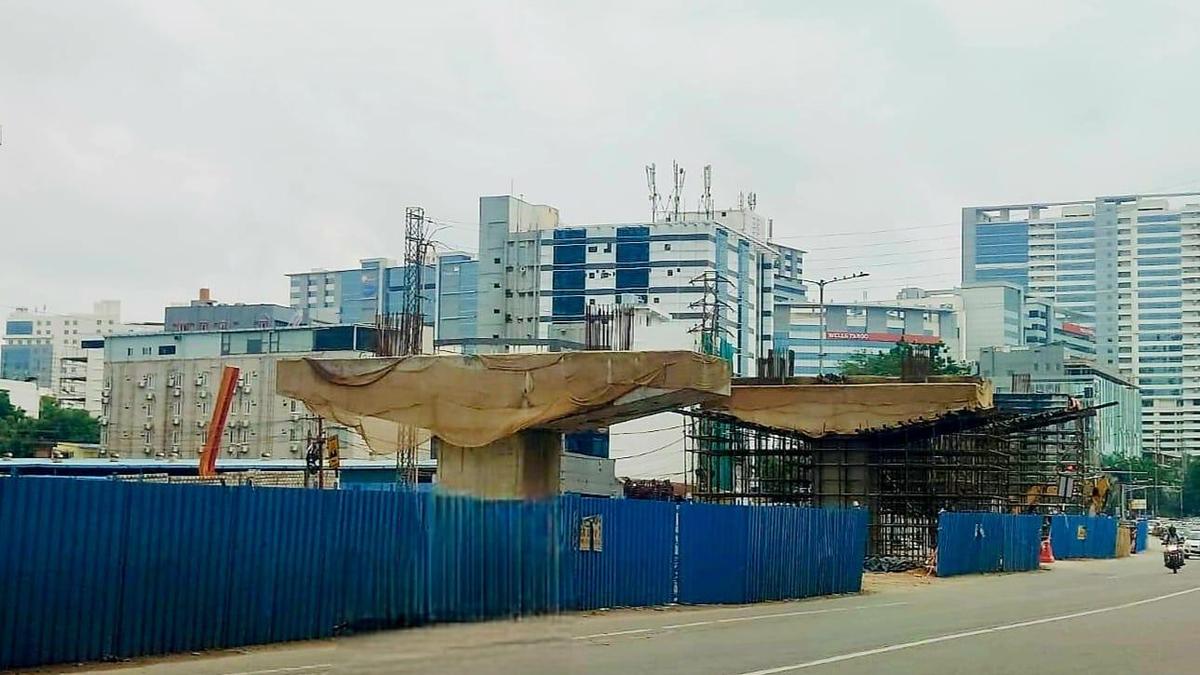
Cyberabad Traffic Police have implemented a 60-day traffic diversion at Khajaguda Junction to facilitate critical water pipeline installation. Motorists are advised to utilize three designated alternative routes to avoid congestion caused by the closure of the KIMS Hospital service road.
Infrastructure Upgrades and Traffic Management at Khajaguda
The Cyberabad Traffic Police have officially announced significant traffic restrictions at the Khajaguda Junction, effective from September 26 for a duration of 60 days. This disruption is necessitated by essential infrastructure work involving the installation of 900 mm and 1,000 mm diameter water pipelines. As a vital link within Hyderabad’s western corridor, the junction serves as a key transit point for thousands of commuters daily, making these modifications a critical, albeit inconvenient, necessity for the city's long-term utility expansion.
Impact on Local Commuter Flow
The most immediate consequence of these works is the closure of the service road and the restriction of free-left movement from the KIMS Hospital approach toward Nanakramguda Road. By blocking this primary artery, authorities anticipate a significant redirection of traffic volume. The Cyberabad Traffic Police have mapped out three specific alternative routes to mitigate the strain on the junction, urging motorists to plan their commutes ahead of time to avoid gridlock during peak hours.
Challenges of Internal Road Usage
A primary concern arising from these restrictions is the potential for increased traffic flow onto internal residential and secondary roads. As motorists seek the path of least resistance to reach Nanakramguda, neighborhood streets not designed for heavy vehicular throughput may experience severe bottlenecks. This shift highlights the broader challenge of maintaining urban mobility in a rapidly growing metropolitan area where infrastructure development often conflicts with existing traffic patterns.
Strategic Utility Expansion
While the 60-day timeline may be burdensome, the installation of large-diameter water pipelines is a foundational project aimed at securing the city's water supply infrastructure. In the context of Hyderabad's western corridor, which has seen exponential commercial and residential growth, upgrading utility capacity is non-negotiable. The current traffic diversion is a tactical measure to ensure that this critical work can proceed safely without compromising the structural integrity of the surrounding road networks.
Long-Term Implications and Urban Trends
The Khajaguda situation serves as a microcosm for the larger developmental trajectory of modern Indian cities. As municipal bodies prioritize the modernization of water and sewage grids, residents must prepare for periodic, localized infrastructure upgrades. Future trends suggest that as cities integrate smart traffic management systems, real-time data dissemination will become even more vital in managing the inevitable friction between urgent civic works and public convenience.
Conclusion
In summary, the restrictions at Khajaguda Junction represent a necessary trade-off for essential urban development. By adhering to the advisory issued by the Cyberabad Traffic Police and utilizing the designated alternative routes, commuters can help minimize the impact of these pipeline works. As the city continues to expand, such temporary measures remain a staple of maintaining the functional health of Hyderabad’s vital transit corridors.
Verification Required?