2 cops indicted in Khalra case not stripped of gallantry medals despite MHA letter
Source Entity
Latest News: Today's Latest News Headlines from India & World | Hindustan Times | Hindustan Times
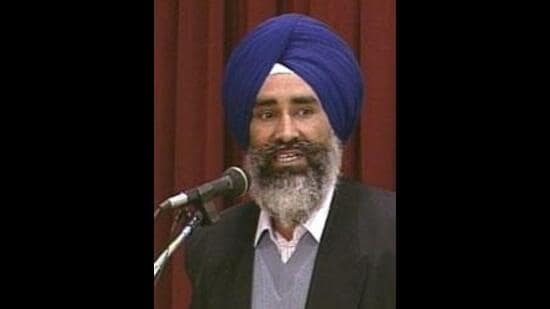
The issue has roared back into public debate following the recent controversy surrounding ‘Satluj’, a film chronicling Khalra’s life
The Intersection of Honor and Accountability: The Khalra Case Controversy
The recent resurgence of the debate surrounding the gallantry medals held by two police officers indicted in the Dasmesh Singh Khalra case highlights a profound tension between state-sanctioned honors and judicial accountability. The core of the controversy lies in the apparent disconnect between the Ministry of Home Affairs (MHA), which issued a letter regarding the status of these awards, and the actual administrative action—or lack thereof—taken to strip the officers of their medals. This situation underscores a systemic hesitation to reconcile the legacy of security forces with the findings of human rights violations.
Historical Context: The Legacy of Dasmesh Singh Khalra
To understand the gravity of this event, one must look back at the role of Dasmesh Singh Khalra, a human rights activist who became a pivotal figure in documenting the 'secret killings' carried out by the Punjab Police during the insurgency in the 1980s and 90s. Khalra's work exposed the systemic disappearance of individuals and the extrajudicial executions that occurred under the guise of counter-terrorism. His own disappearance and subsequent murder became a symbol of the struggle for civil liberties in India, leading to a long and arduous legal battle for justice. The indictment of the police officers involved is not merely a legal procedure but a recognition of these historical atrocities.
The Paradox of Gallantry Medals
Gallantry medals are intended to honor exceptional bravery and selfless service to the nation. However, when the recipients of such honors are indicted for crimes as severe as the murder of a human rights activist, the medals cease to be symbols of honor and instead become symbols of impunity. The fact that these officers have not been stripped of their awards, despite an MHA letter, suggests a bureaucratic inertia or a political unwillingness to fully delegitimize officers who were once viewed as 'heroes' of the state's security apparatus. This creates a legal and ethical paradox where the state simultaneously prosecutes an individual for a crime while continuing to honor them for their service.
The Catalyst: 'Satluj' and the Power of Cinema
The timing of this renewed public outcry is directly linked to the film Satluj, which chronicles Khalra’s life and struggle. Cinema often serves as a powerful medium for historical memory, bringing forgotten or suppressed legal battles back into the mainstream consciousness. By humanizing Khalra and detailing the horrors of the secret killings, the film has effectively shifted the narrative from a dormant court case to a live public debate. This demonstrates how cultural artifacts can act as catalysts for political pressure, forcing the government to address discrepancies in the application of justice and the administration of state honors.
Institutional Implications and Future Trends
This controversy points toward a broader struggle within the Indian administrative framework regarding the 'cleaning' of records for security personnel. If the government fails to act on the MHA's own communications, it risks signaling that security forces are above the law, provided their actions were aligned with state interests at the time. Looking forward, it is likely that increased public scrutiny—fueled by digital activism and cinematic portrayals—will force a more transparent process for the revocation of medals in cases of human rights abuses. We may see a trend where the judiciary is asked to intervene more aggressively to ensure that state honors are not used as shields against accountability.
Conclusion
In summary, the retention of gallantry medals by officers indicted in the Khalra case is more than a clerical oversight; it is a reflection of the complex and often contradictory way the state handles its history of internal conflict. The clash between the MHA's directives and the current status of the medals serves as a reminder that legal indictments are only one part of the justice process. True closure for the victims of the Khalra case requires not only judicial verdicts but also the removal of state-sponsored prestige from those accused of violating the most basic human rights.
Verification Required?