‘Don’t taunt me as a billionaire’: Kiran Mazumdar-Shaw to MLA over Bengaluru roads
Source Entity
The Indian Express
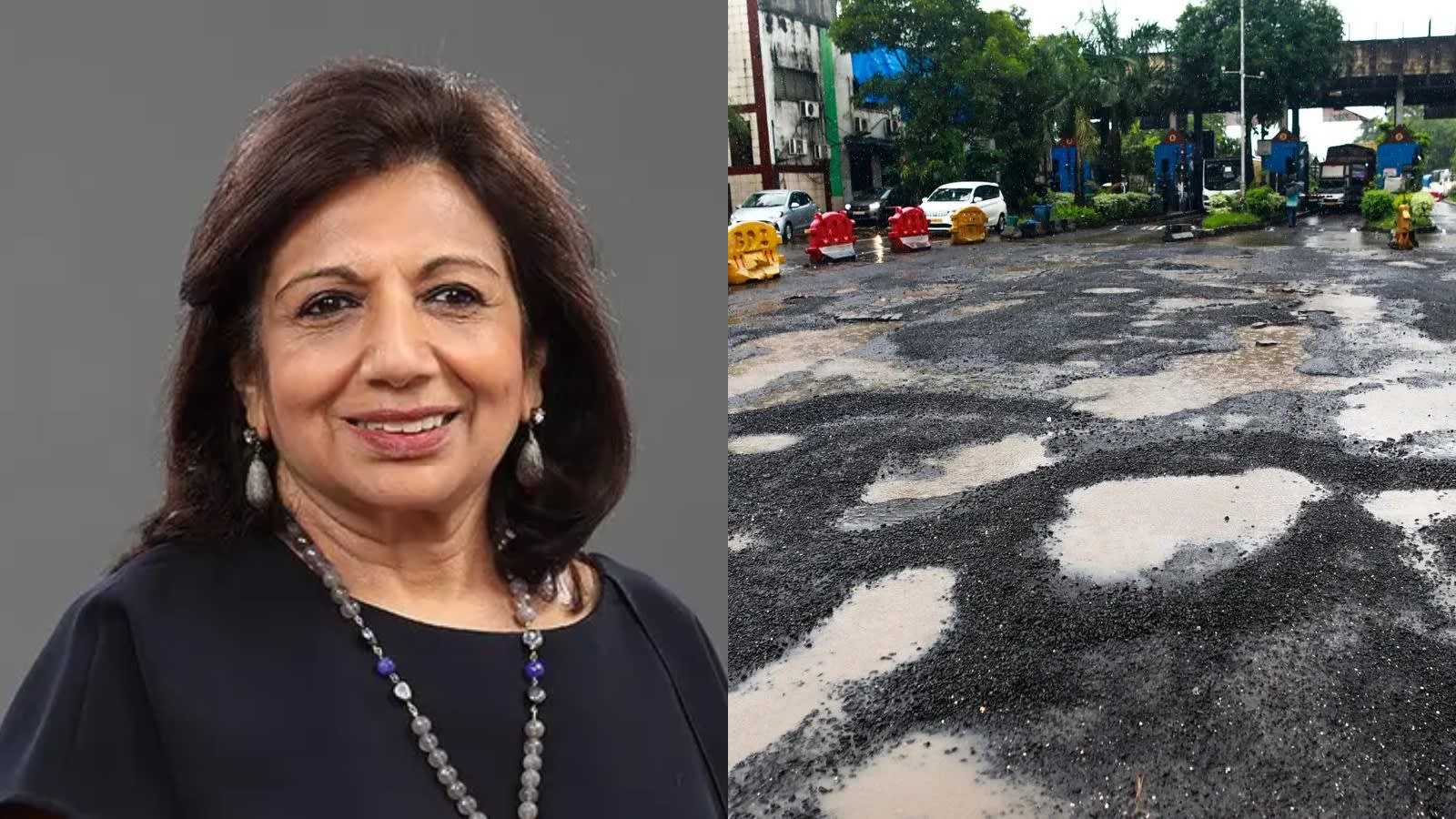
Biocon founder Kiran Mazumdar-Shaw has engaged in a public social media spat with MLA B Shivanna regarding the poor condition of roads in Anekal. The exchange highlights ongoing frustrations over infrastructure neglect in Bengaluru's industrial outskirts.
Infrastructure Tensions in Bengaluru: A High-Profile Confrontation
The recent public disagreement between Biocon founder Kiran Mazumdar-Shaw and Anekal MLA B Shivanna underscores a growing friction between Bengaluru’s influential corporate sector and local political leadership. At the heart of the dispute is the deteriorating state of infrastructure in Anekal, an essential industrial hub that serves as a critical node for the city's manufacturing and biotechnology ecosystem. By calling out the neglect of these roads, Mazumdar-Shaw has brought long-standing civic frustrations into the national spotlight.
The Anatomy of the Dispute
The controversy erupted on August 24 when Mazumdar-Shaw took to X (formerly Twitter) to publicly criticize the state of infrastructure in Anekal. Her accusation was direct: she alleged that MLA B Shivanna has been aware of the road conditions for years but has failed to allocate or utilize necessary resources to rectify them. According to her, the funds earmarked for development have been diverted toward projects that provide little to no tangible benefit to the citizens, effectively stagnating the region's growth.
Accountability and the 'Billionaire' Narrative
A significant element of this exchange is the political pushback Mazumdar-Shaw received, with the MLA allegedly resorting to personal rhetoric regarding her status as a billionaire. This defensive posturing suggests a broader trend in Indian politics where critiques from the corporate elite are often framed as elitist interventions rather than legitimate demands for governance. By rejecting this label, the Biocon founder signaled that her status does not invalidate her role as a stakeholder and taxpayer demanding accountability from elected representatives.
The Broader Implications for Bengaluru
Bengaluru, often hailed as India's Silicon Valley, faces a persistent paradox: it is a global hub for innovation that struggles with basic urban infrastructure. The Anekal situation serves as a microcosm of this systemic issue. When industrial hubs suffer from poor connectivity and neglected roads, it directly impacts the operational efficiency of businesses, the safety of the workforce, and the overall economic attractiveness of the region. This incident highlights the disconnect between rapid industrial expansion and the slow pace of local bureaucratic responsiveness.
Future Trends in Civic Engagement
This incident is indicative of a shifting landscape in civic activism, where prominent industry leaders are increasingly leveraging their digital platforms to hold local politicians directly accountable. As urban centers continue to expand, the pressure on representatives to deliver basic services—such as road maintenance—will only intensify. The use of social media to bypass traditional grievance redressal mechanisms represents a new, high-stakes form of civic participation that forces political figures into the public eye, potentially altering how local development issues are addressed in the future.