Kochi Corporation spends over ₹4 crore a year on nearly 2,000 defunct public taps
Source Entity
India Latest News: Top National Headlines Today & Breaking News | The Hindu
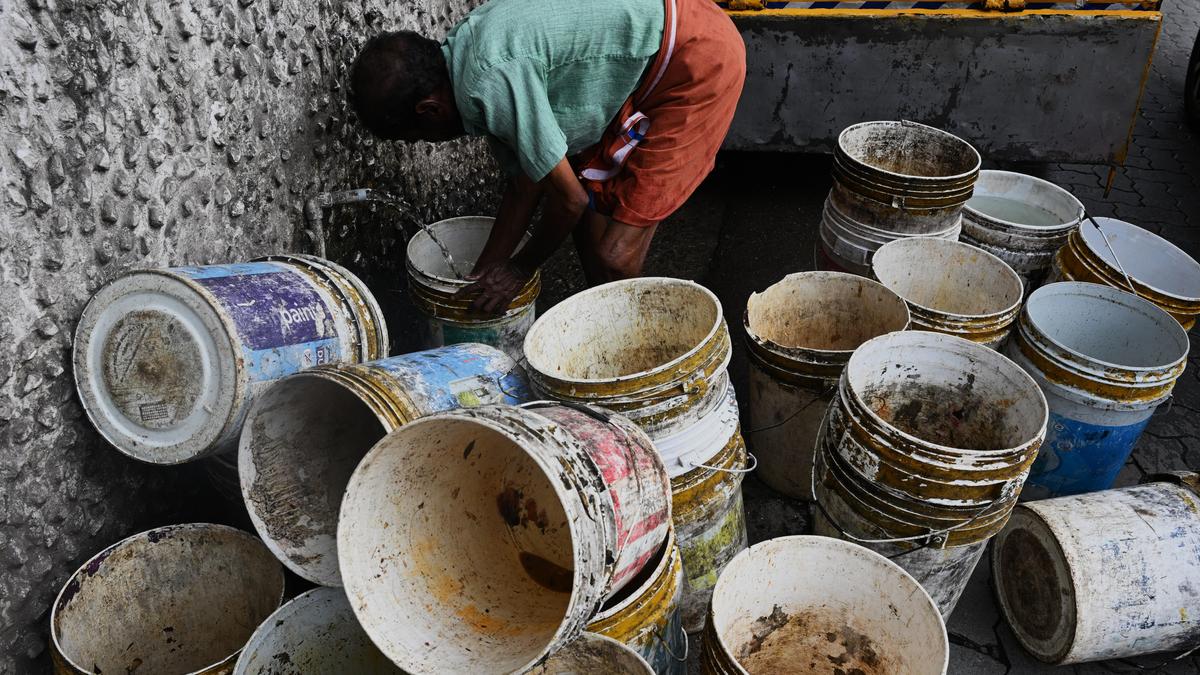
The Kochi Corporation is facing financial strain by paying over ₹4 crore annually for nearly 2,000 non-functional public water taps. Despite these taps being defunct, the Kerala Water Authority continues to charge a flat rate, prompting calls for urgent administrative reform.
The Financial Drain of Defunct Public Infrastructure
The Kochi Corporation is currently grappling with a significant fiscal oversight that highlights the inefficiencies within its public utility management. A recent comprehensive survey, conducted by municipal overseers in collaboration with local division councillors, has revealed a startling statistic: nearly 2,000 out of 5,358 public taps across the city are completely non-functional. Despite their lack of utility, the civic body remains obligated to pay the Kerala Water Authority (KWA) for the maintenance and service of these units, leading to a recurring annual loss of over ₹4 crore.
The Cost of Inefficiency
At the heart of this issue is a rigid billing structure enforced by the KWA. Each public tap, regardless of its operational status, incurs a fixed annual cost of ₹21,838 to the Corporation. This standardized charging model means that the total annual expenditure for the city’s public water infrastructure stands at approximately ₹11.70 crore. When nearly 37% of the infrastructure is defunct, the Corporation is effectively subsidizing 'ghost' services, an untenable situation for a civic body already struggling with financial constraints.
Discrepancies and Administrative Oversight
Data discrepancies further complicate the situation. A letter issued by the KWA as recently as November 6, 2025, cited 5,444 public taps within city limits, while the Corporation’s latest survey identified 5,358. While this reflects a marginal decline of 86 units, the persistence of nearly 2,000 non-functional taps suggests a failure in the communication loop between the KWA and the municipal authorities. The lack of a real-time monitoring system or a formal decommissioning process for damaged taps allows these costs to accumulate unchecked.
Broader Implications for Urban Governance
This situation serves as a microcosm of the challenges faced by urban local bodies in India regarding infrastructure maintenance. When civic bodies pay for services that are not being delivered, it directly impacts the allocation of funds for other essential public services, such as waste management, road maintenance, and sanitation. The financial drain caused by these defunct taps is not merely a technical issue; it is a governance failure that deprives the city of resources that could be redirected toward modernizing the water supply network.
Future Trends and Necessary Reforms
To move forward, the Kochi Corporation and the KWA must transition toward a more transparent, data-driven billing system. Future trends in municipal management suggest that the integration of IoT-enabled water meters and digitized asset management could prevent such losses in the future. Moving forward, the Corporation must prioritize a formal audit of all public taps to ensure that the KWA stops billing for infrastructure that has long since ceased to function, thereby alleviating the current pressure on the city's treasury.
Verification Required?