Kochi Corporation to survey public taps to curb water bills
Source Entity
India Latest News: Top National Headlines Today & Breaking News | The Hindu
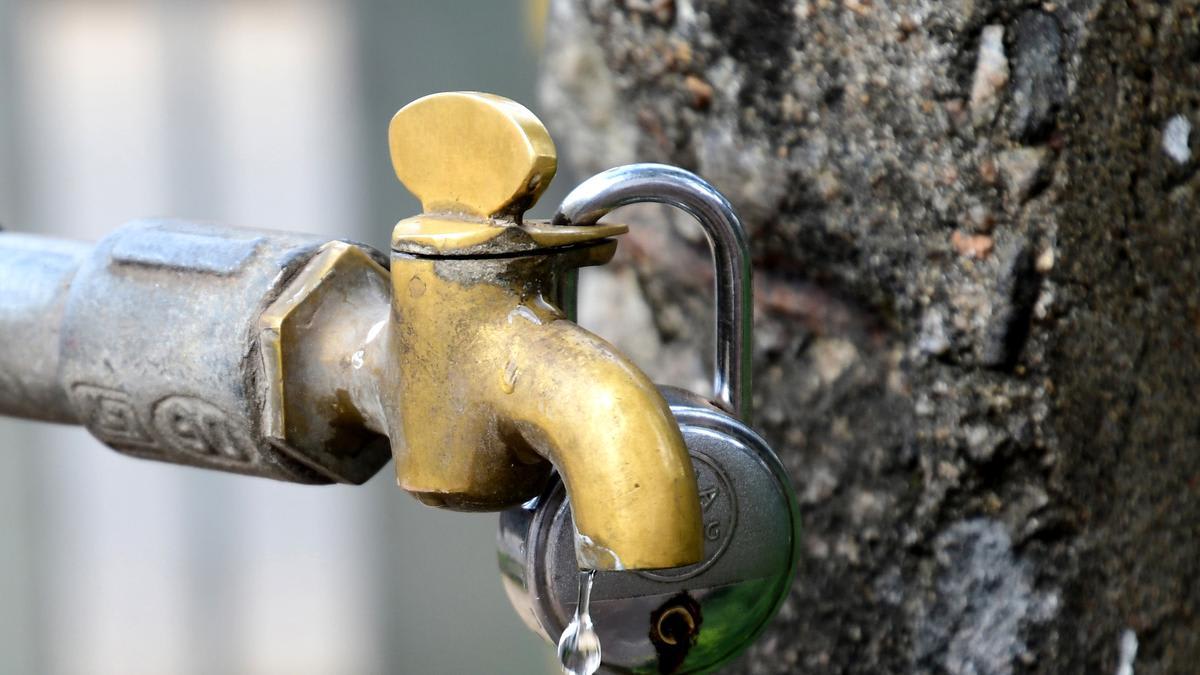
The Kochi Corporation is launching a city-wide survey to audit public water taps and reduce unnecessary expenditures. The initiative aims to address a monthly cost of nearly ₹1 crore by identifying illegal taps and implementing geo-tagging and metering.
Kochi Corporation Launches Audit to Reform Public Water Infrastructure
The Kochi Corporation has officially initiated a comprehensive survey aimed at auditing the city's public water tap network. This strategic decision follows intense scrutiny during a recent council meeting, where officials highlighted the significant financial burden caused by 'superfluous' public taps. By identifying unused and illegally installed infrastructure, the local government intends to streamline municipal water management and address a mounting fiscal drain.
The Financial Burden of Unmonitored Infrastructure
According to data provided by the Kerala Water Authority (KWA) on November 6, 2025, there are currently 5,444 public taps operating within Kochi’s city limits. The financial implications of this network are substantial, with the Corporation paying approximately ₹1 crore every month to maintain the supply. This high cost has triggered a push for accountability, as the city seeks to ensure that taxpayer money is not being wasted on redundant or unauthorized connections.
Implementation Strategy and Oversight
The survey process is structured to be both granular and systematic. The Corporation has directed its overseer to collaborate closely with Junior Health Inspectors to conduct a division-wise assessment. By tasking local officials with on-the-ground verification, the Corporation aims to ensure that the data collected is accurate and reflective of the current state of infrastructure in every neighborhood.
Modernizing Management through Technology
A key pillar of this initiative is the transition toward digital governance. The Corporation plans to geo-tag all functional public taps and introduce metering systems. This technological shift is designed to provide real-time monitoring of water usage, moving away from the current model of estimated billing that likely contributes to the excessive monthly expenditures. Geo-tagging will also allow for better maintenance tracking and rapid response to leaks or illegal tampering.
Broader Implications for Urban Resource Management
This move by the Kochi Corporation reflects a broader trend of Indian municipal bodies seeking to optimize utility management through data-driven approaches. As urban populations grow, the pressure on water resources increases, making the management of public taps a critical issue. By curbing illegal connections and ensuring that essential services are properly metered, the city is setting a precedent for sustainable resource management that balances public utility with fiscal responsibility.
Future Outlook and Expected Outcomes
The directive requires a report to be submitted within one month, signaling an urgent timeline for reform. If successful, this audit could lead to significant budgetary savings, allowing the Corporation to reallocate funds toward other essential development projects. The success of this program will depend largely on the efficacy of the field surveys and the subsequent enforcement actions taken against unauthorized water usage, marking a crucial step in the modernization of Kochi’s civic infrastructure.
Verification Required?