Eight interns of Kolkata Medical College issued show-cause over statements on Chorbagan stampede
Source Entity
India Latest News: Top National Headlines Today & Breaking News | The Hindu
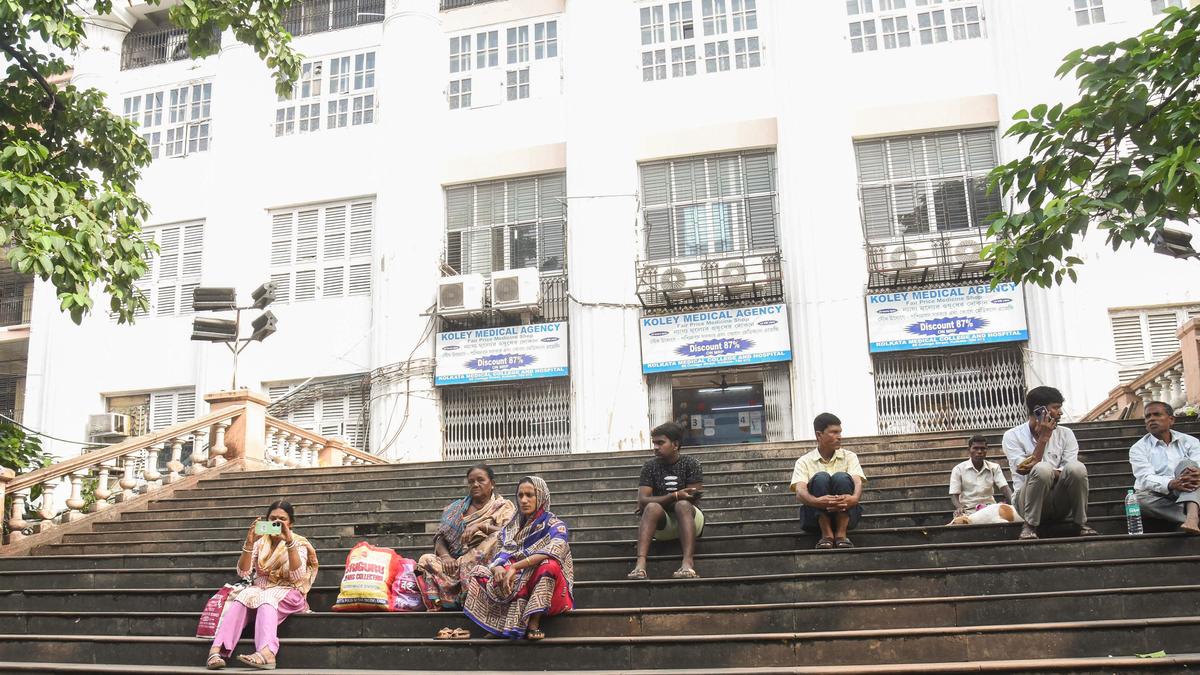
Eight medical interns in Kolkata face disciplinary action after criticizing the government's handling of patients following a fatal Durga Puja stampede. The dispute centers on the transfer of victims to a private facility, which officials defend as necessary for patient care.
Tensions Rise at Kolkata Medical College Following Stampede Tragedy
The West Bengal Health Department has initiated disciplinary proceedings against eight intern doctors at Medical College, Kolkata, following their public criticism of the facility's management during the aftermath of the October 16, 2026, Chorbagan stampede. The incident, which resulted in 19 deaths—primarily women and children—and left 25 others injured during Durga Puja festivities, has become a focal point for intense administrative and ethical debate regarding state healthcare protocols.
The Catalyst: Questioning Patient Transfers
At the heart of the conflict is the state government's decision to transfer several injured victims from the government-run Medical College to a private hospital. While the state maintains that this move was executed strictly in the interest of patient welfare and emergency stabilization, the interns utilized a press conference held two days post-incident to challenge the narrative. They argued that the necessity of such transfers highlights a deeper, systemic failure within the state's premier tertiary care infrastructure.
Accountability vs. Institutional Criticism
By issuing show-cause notices, the Health Department is exercising its administrative authority to address what it perceives as unauthorized and potentially misleading public statements by medical staff. However, the interns argue that their role as frontline responders necessitates the right to highlight the "sorry state of affairs" they observed while treating the surge of casualties. This clash underscores a long-standing tension between medical professionals tasked with patient care and the bureaucratic oversight of government-funded institutions.
Broader Implications for Public Healthcare
This event reflects the precarious nature of public health management in high-density urban areas like Kolkata. When a mass-casualty event occurs, the transition from emergency response to administrative triage often exposes gaps in resources and logistics. The interns' public dissent suggests a growing frustration among medical personnel regarding the adequacy of infrastructure at state-run hospitals, which are frequently the first point of contact for victims during public disasters.
Historical Context and Future Trends
Historically, public hospitals in West Bengal have struggled to balance high patient volumes with limited resources. The Chorbagan stampede serves as a grim case study on how sudden surges in demand can overwhelm even the most prominent medical institutions. Future trends indicate that as public scrutiny of government healthcare increases, the relationship between junior medical staff—who often bear the brunt of patient surge management—and hospital administration will likely remain contentious, necessitating more robust internal communication channels to resolve grievances before they reach the media.
Conclusion
The disciplinary action against the eight interns marks a significant moment of friction within the state's healthcare system. As the investigation into the stampede continues, the medical community and the public remain focused on whether the state will prioritize internal disciplinary measures or address the underlying concerns regarding hospital capacity and emergency management protocols raised by the interns.
Verification Required?