Midnight raid at flat near Kolkata: Rs 2 crore seized, hawala racket suspected
Source Entity
Tanusree Bose
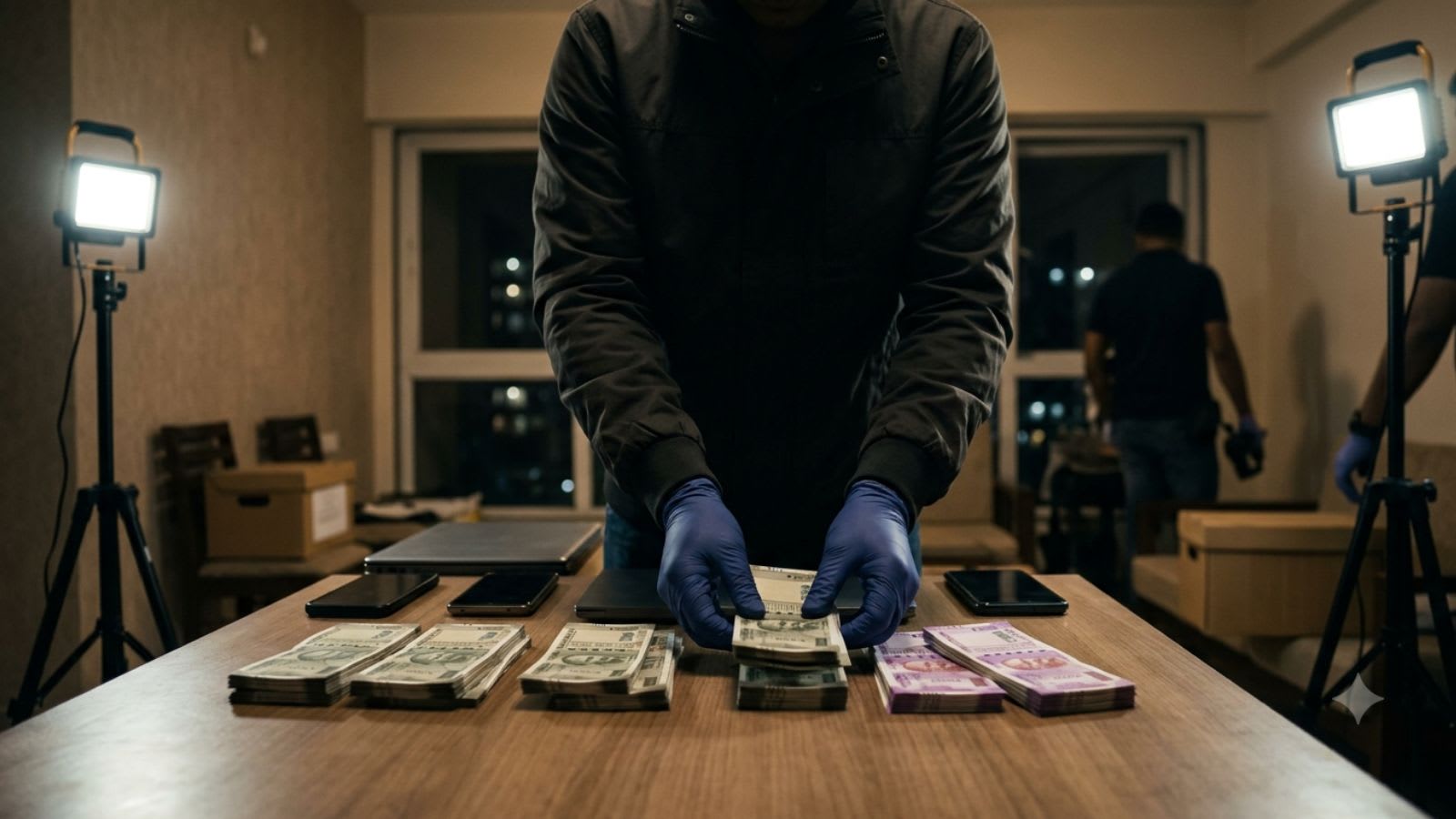
The search began around 3 pm Monday and continued for nearly 12 hours. The police were later seen carrying three trolley bags filled with the seized cash. (Image generated using AI) More than Rs 2 cr...
Uncovering the Shadows: Analysis of the Rs 2 Crore Seizure in Kolkata
In a significant blow to illicit financial networks, law enforcement agencies conducted a high-stakes operation near Kolkata, resulting in the seizure of over Rs 2 crore in cash. The operation, which began at 3 pm on a Monday and stretched into the midnight hours, underscores the persistence of underground economies in urban and semi-urban hubs. The visual of police officers transporting three trolley bags filled with currency serves as a stark indicator of the volume of undocumented wealth circulating outside the formal banking system.
The Mechanics of the Operation
The duration of the raid—nearly 12 hours—suggests a meticulous search process. Such extended operations are typically employed when investigators are not only looking for liquid cash but also for ledgers, digital devices, and communication logs that can link the physical money to a broader network. The timing of the raid, concluding around midnight, indicates a strategic effort to secure the premises and prevent the disposal of evidence or the flight of suspects. The sheer amount of cash found in a residential flat suggests that the location was being used as a 'safe house' or a collection point for illicit funds.
Understanding the Hawala Connection
Authorities have explicitly suspected a 'hawala' racket, an informal method of transferring money without any actual movement of funds. This system relies on a network of brokers (hawaladars) and a trust-based ledger system. Because hawala bypasses official banking channels and regulatory oversight, it is frequently utilized for tax evasion, money laundering, and the financing of illegal activities. By seizing Rs 2 crore, the police have likely disrupted a specific node of this network, potentially exposing the identities of both the senders and receivers of these funds.
Regional Context and Economic Implications
Kolkata and its surrounding areas have historically been strategic points for trade and commerce due to their proximity to international borders and major ports. While this fosters legitimate business, it also creates vulnerabilities that organized crime syndicates exploit to move 'black money'. The discovery of such a substantial sum in a residential area highlights the challenge facing Indian authorities in curbing the shadow economy. This raid is reflective of a broader national trend where the government is intensifying its crackdown on unaccounted wealth to bring more capital into the formal economy.
Future Trends in Financial Crime Enforcement
Moving forward, this incident suggests that law enforcement is becoming more adept at utilizing intelligence-led policing to target specific residential hubs rather than just commercial offices. As India pushes toward a more digitized economy through UPI and other fintech innovations, the reliance on physical cash for hawala operations may either decrease or become more secretive. However, the seizure of trolley bags of cash proves that high-value physical transactions remain a cornerstone for those wishing to avoid the digital footprint left by modern banking.
Conclusion
The seizure of Rs 2 crore near Kolkata is more than a localized crime story; it is a window into the complex world of informal value transfer systems. While the immediate result is the recovery of a large sum of money, the long-term value of this raid lies in the potential intelligence gathered. If the police can successfully map the connections associated with this flat, it could lead to the dismantling of a much larger financial syndicate operating across the region.