Give us a kidney or give us death: 5 new mothers from Kota write to President
Source Entity
Parul Kulshrestha
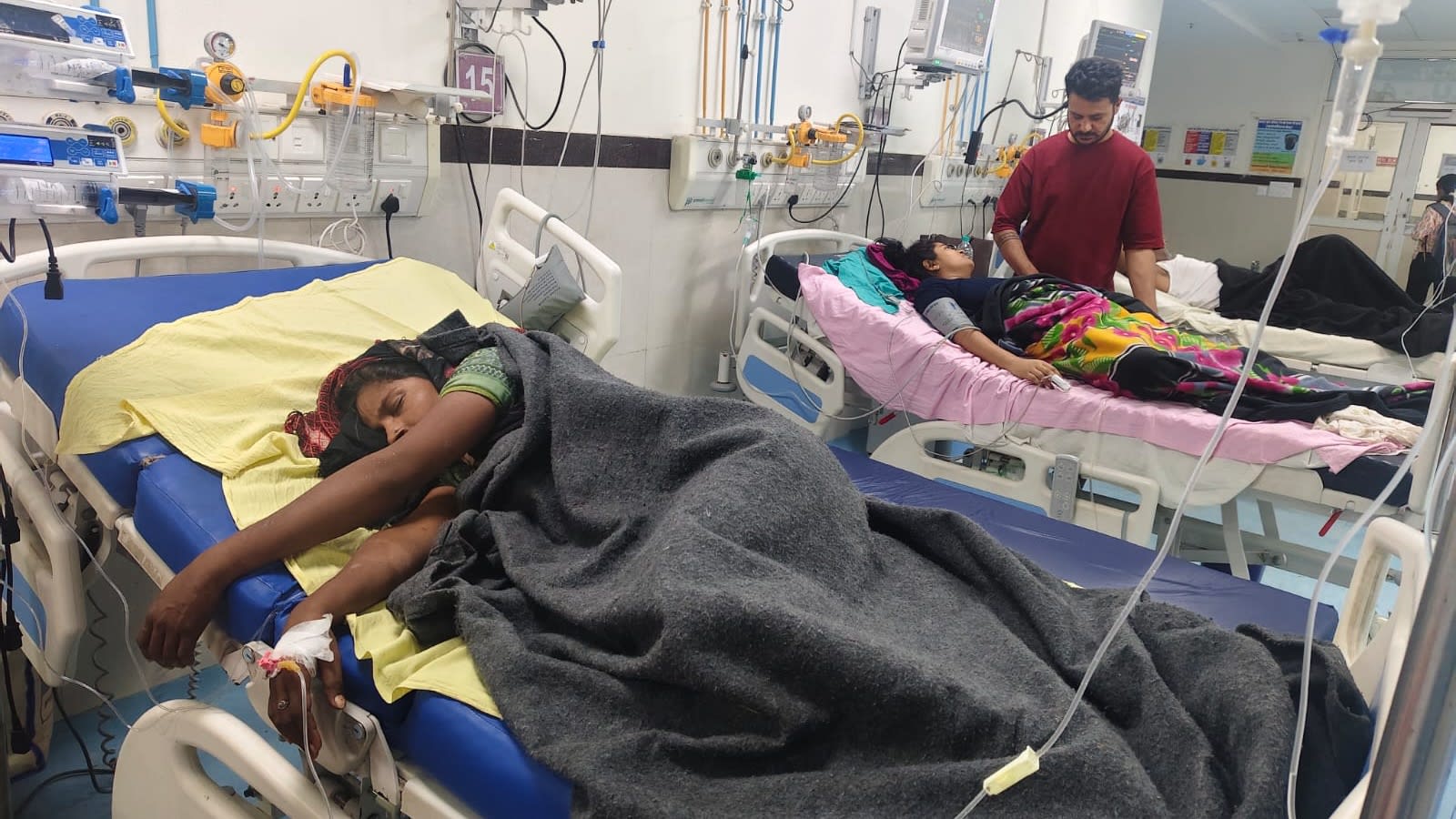
Five new mothers in Kota, Rajasthan, have petitioned President Droupadi Murmu for urgent intervention after suffering severe kidney damage following C-section surgeries at a government hospital in May.
A Crisis of Care: New Mothers in Kota Battle Kidney Failure
In a harrowing turn of events, five women in Kota, Rajasthan, who entered a government hospital expecting the joy of childbirth, are now fighting for their lives. Following C-section procedures performed in May, these new mothers have developed severe kidney damage, leading them to send a desperate plea to President Droupadi Murmu. The starkness of their demand—"Give us a kidney or give us death"—underscores a profound level of despair and a complete breakdown of trust in the local medical establishment. This incident highlights the precarious intersection of maternal healthcare and systemic medical negligence in public health facilities.
The Medical Catastrophe and Immediate Impact
The timeline of these events suggests a cluster of medical complications occurring within a short window in May. While C-sections are common surgical interventions, the development of acute kidney injury (AKI) or chronic kidney disease in five separate patients at the same facility points toward a systemic failure rather than isolated biological mishaps. Potential triggers for such widespread renal failure could range from the administration of nephrotoxic drugs, severe postpartum hemorrhage leading to hypovolemic shock, or the introduction of systemic infections (sepsis) due to poor sterile conditions during surgery. For these women, the transition from the vulnerability of childbirth to the grueling requirement of dialysis or transplants is a catastrophic health trajectory.
Systemic Failures in Public Healthcare Infrastructure
This case serves as a grim reflection of the challenges facing government hospitals in India's tier-2 cities like Kota. Public healthcare facilities often grapple with an overwhelming patient-to-doctor ratio, insufficient monitoring equipment, and strained infrastructure. When critical care is compromised, the margin for error shrinks, and complications that should be preventable become life-altering. The fact that five women suffered similar outcomes suggests a possible failure in the hospital's post-operative care protocols or a contaminated batch of medication/equipment, indicating a need for a rigorous clinical audit of the facility's surgical wing.
The Political and Legal Recourse
By writing directly to President Droupadi Murmu, the victims are bypassing local administrative channels, which they likely perceive as indifferent or complicit. In the Indian administrative hierarchy, a petition to the President is often a last-resort measure used when state-level grievance redressal mechanisms fail. This move transforms a medical negligence case into a national human rights issue, demanding accountability from the Rajasthan state health department. The desperation in their language suggests that they are not merely seeking financial compensation, but life-saving medical interventions, such as organ transplants, which are often gated by expensive costs and bureaucratic hurdles.
Broader Implications for Maternal Health
This incident casts a shadow over maternal health safety standards in the region. If a government facility—intended to be a safety net for the underprivileged—becomes a source of permanent disability, it creates a climate of fear among expectant mothers. This can lead to a dangerous trend where women avoid necessary institutional deliveries, potentially increasing maternal mortality rates. The Kota case emphasizes the urgent need for the implementation of stricter surgical safety checklists and the establishment of an independent medical ombudsman to investigate clusters of complications in public hospitals.
Conclusion: A Call for Accountability and Recovery
Ultimately, the plight of these five mothers is a tragedy of systemic failure. The immediate priority must be the medical stabilization of the victims and the provision of the necessary renal support they are pleading for. However, long-term resolution requires a transparent investigation into the Kota government hospital's practices in May. Until there is a clear explanation and a commitment to reform, this event will remain a haunting example of how the promise of new life can be overshadowed by the failure of the systems meant to protect it.