Kotul excavations in Maharashtra show site was a large trade hub during Satavahana period
Source Entity
Anuradha Mascarenhas
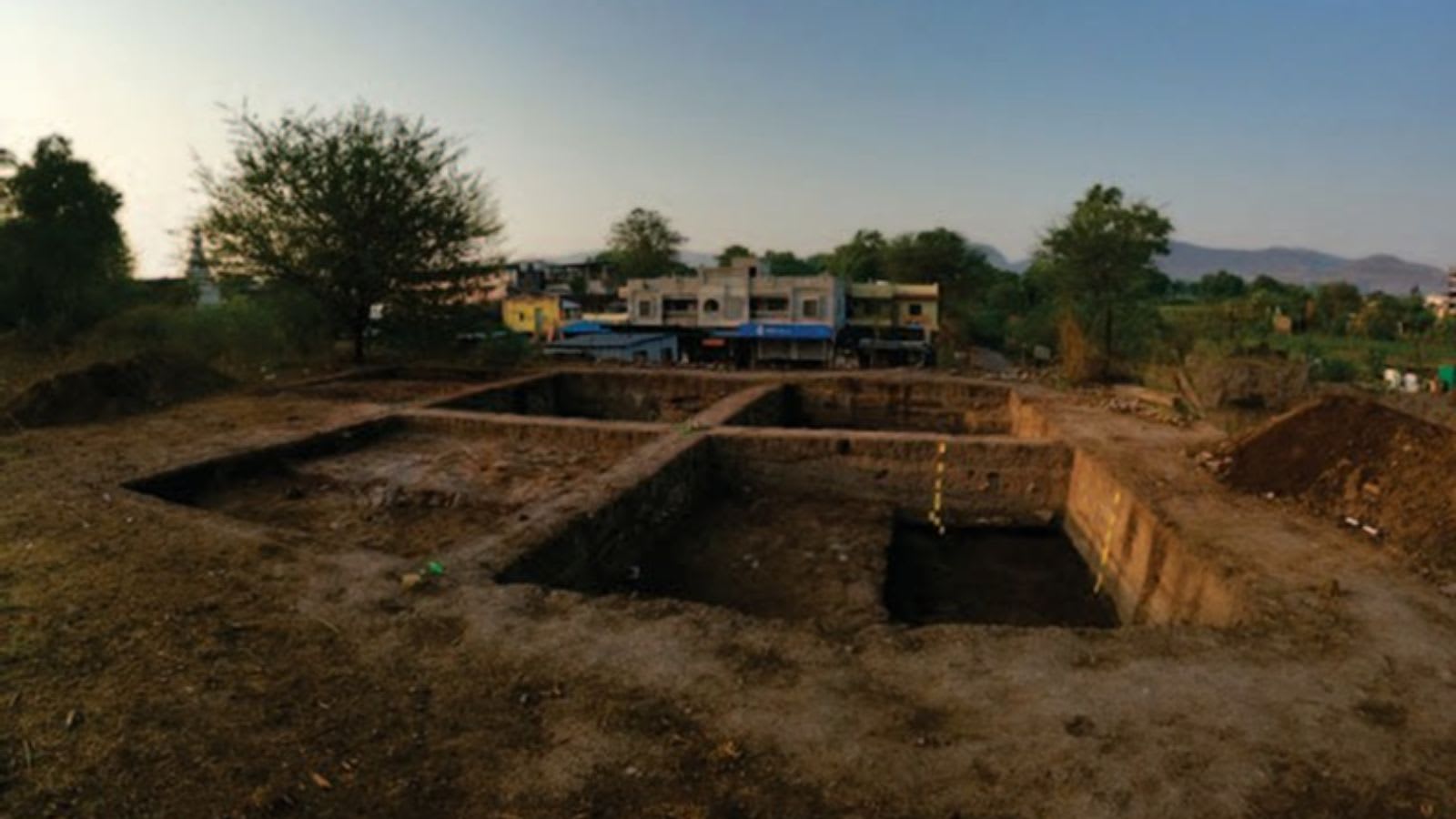
Archaeological excavations at Kotul in Maharashtra have identified the site as a major trade hub during the Satavahana period, providing critical insights into the economic and commercial networks of ancient India.
Unveiling Ancient Commerce: The Kotul Excavations
The recent archaeological findings at Kotul in Maharashtra mark a significant milestone in the understanding of ancient Indian urbanism and commerce. By identifying the site as a large trade hub during the Satavahana period, researchers have provided concrete evidence of the sophisticated economic networks that once spanned the Deccan plateau. This discovery does not merely add a location to the map of ancient settlements but offers a window into the socio-economic stratification and the logistical capabilities of one of India's most influential early dynasties.
The Satavahana Legacy and Regional Power
To understand the significance of Kotul, one must consider the broader context of the Satavahana dynasty, which ruled large parts of central and southern India between the 2nd century BCE and the 2nd century CE. The Satavahanas were instrumental in bridging the gap between the northern and southern regions of the subcontinent, fostering a culture of trade and religious tolerance. Their reign was characterized by the promotion of Buddhism and the development of an extensive maritime and overland trade network that connected the interior of the Deccan to the ports of the western coast, facilitating trade with the Roman Empire and Southeast Asia.
Kotul as a Strategic Trade Hub
The designation of Kotul as a "large trade hub" suggests that the site served as a critical node in the transport of goods. In the context of the Satavahana period, such hubs typically functioned as collection centers for agricultural produce, textiles, and precious stones, which were then transported to larger urban centers or coastal ports. The presence of a trade hub at Kotul implies a high level of administrative organization and the existence of a merchant class capable of managing large-scale logistics. This suggests that the region was not merely a rural hinterland but a vibrant economic zone integrated into the global trade currents of the era.
Archaeological Implications and Evidence
While the specific artifacts of the Kotul site continue to be analyzed, the identification of a trade hub usually rests on the discovery of specific indicators: diverse pottery styles (such as the characteristic Satavahana red-polished ware), numismatic evidence (coins from various regions), and structural remains of warehouses or marketplaces. The discovery at Kotul likely challenges previous assumptions about the density of urban settlements in this specific part of Maharashtra, suggesting that the Satavahana economic influence was more pervasive and decentralized than previously thought, with multiple satellite hubs supporting the primary capitals.
Broader Historical and Future Implications
Looking forward, the excavations at Kotul are expected to trigger a re-evaluation of the trade routes connecting the Deccan interior to the Konkan coast. Future research will likely focus on identifying the specific commodities that passed through Kotul and the nature of the interactions between the local populace and visiting traders. Moreover, this discovery has the potential to boost regional heritage tourism and encourage the preservation of other undocumented sites in Maharashtra that may have served similar functions during the ancient period.
Conclusion
In summary, the Kotul excavations provide a vital piece of the puzzle in reconstructing the economic landscape of the Satavahana period. By establishing the site as a major trade hub, archaeologists have highlighted the complexity of ancient Maharashtra's commercial infrastructure. This discovery reinforces the image of the Satavahanas as architects of a prosperous, interconnected society that laid the groundwork for future trade and cultural exchanges in the Indian subcontinent.