Vidhana Soudha police register FIR against KPSC chairman’s daughter over fake income certificate
Source Entity
India Latest News: Top National Headlines Today & Breaking News | The Hindu
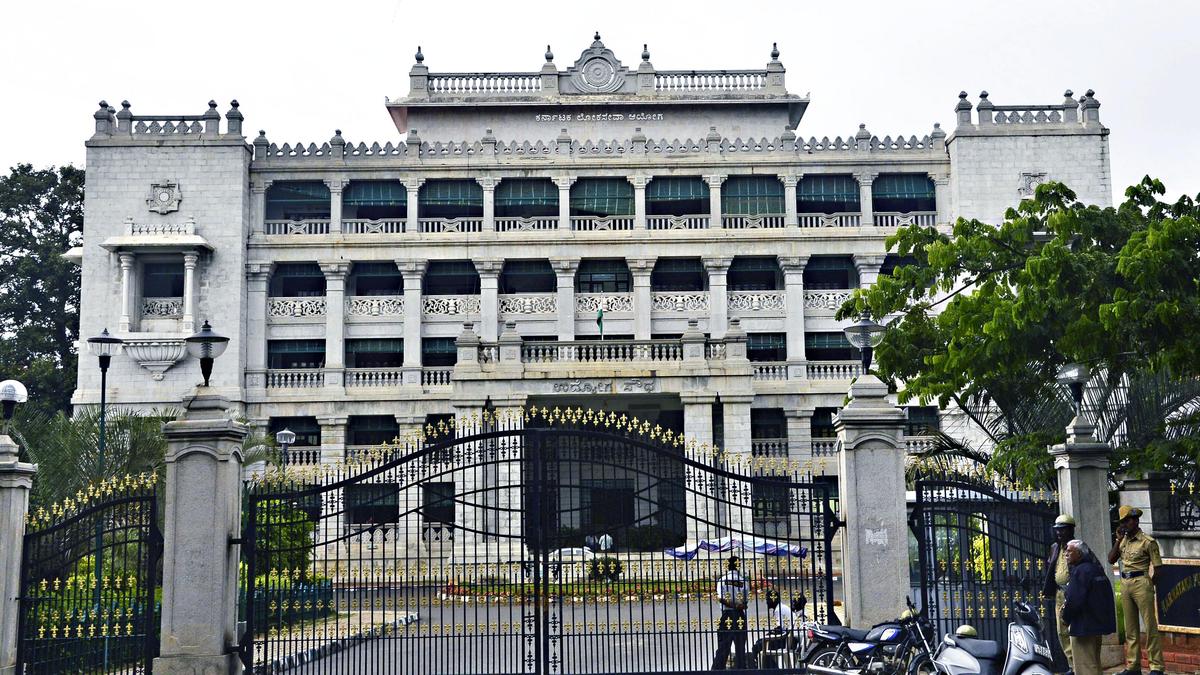
According to the FIR, the accused Suma S. Sahukar allegedly claimed reservation benefits under the 3B category by producing an Income and Asset Certificate that declared her family’s annual income as ₹40,000.
Legal Action Against KPSC Chairman's Daughter Over Reservation Fraud
In a significant development involving the integrity of state administrative processes, the Vidhana Soudha police have registered a First Information Report (FIR) against Suma S. Sahukar. The accused, who is the daughter of the Chairman of the Karnataka Public Service Commission (KPSC), is alleged to have engaged in fraudulent activity by producing a fake Income and Asset Certificate. According to the FIR, Sahukar claimed an annual family income of merely ₹40,000 to qualify for reservation benefits under the 3B category, a claim that appears highly inconsistent with the professional and economic standing of her father's position.
The Mechanics of Reservation Abuse
To understand the gravity of this allegation, it is essential to examine the role of the 3B reservation category in Karnataka. These quotas are specifically designed to ensure that historically marginalized and economically disadvantaged communities have equitable access to government employment and educational opportunities. By allegedly misrepresenting her family's financial status, Suma S. Sahukar did not merely commit a clerical error but effectively attempted to hijack a system meant for the underprivileged. When individuals from affluent backgrounds manipulate these certificates, they directly deprive genuinely eligible candidates of their rightful opportunities, thereby defeating the socio-economic purpose of the reservation policy.
Institutional Conflict and Ethical Implications
The irony of this case lies in the accused's relationship with the Chairman of the KPSC. The KPSC is the primary body responsible for the recruitment of civil servants in the state, and its leadership is expected to be the gold standard for transparency, meritocracy, and adherence to the law. For the daughter of the very person overseeing the state's recruitment integrity to be accused of forgery creates a severe perception of institutional corruption. This incident raises critical questions about whether those in high-ranking administrative positions feel they are above the laws that govern the general public, potentially undermining public trust in the entire commission.
Legal Ramifications and the FIR Process
The registration of an FIR by the Vidhana Soudha police marks the beginning of a formal criminal investigation. Under the Indian Penal Code, the act of producing a forged document to obtain a government benefit constitutes a serious offense involving cheating and forgery. The investigation will likely focus on two fronts: first, verifying the actual annual income of the KPSC chairman's household to establish the extent of the fraud, and second, investigating how the fraudulent certificate was issued, which could potentially implicate officials within the revenue department who may have colluded in the forgery.
Broader Societal Impact and the 'Creamy Layer' Debate
This event mirrors a broader, ongoing national debate in India regarding the 'creamy layer'—the idea that those within reserved categories who have achieved a certain level of economic stability should be excluded from reservation benefits. The Sahukar case serves as a high-profile example of why rigorous, digitized, and transparent verification mechanisms are necessary. It highlights the systemic vulnerability where paper-based certificates can be easily manipulated, emphasizing the urgent need for a centralized, verifiable database of income and caste credentials to prevent the appropriation of quotas by the elite.
Conclusion and Future Outlook
Moving forward, this case is likely to put immense pressure on the KPSC chairman, as the ethical shadow cast by his daughter's alleged actions may compromise his authority to lead an organization dedicated to fair recruitment. The resolution of this case will be a litmus test for the Karnataka state government's commitment to the rule of law. If handled with transparency, it could lead to a systemic overhaul of how income certificates are vetted; if ignored, it may further entrench the belief that political and administrative connections provide immunity from legal accountability.
Verification Required?