KPSC chairman Sahukar, member Geetha took bribes to leak answer keys
Source Entity
The Indian Express
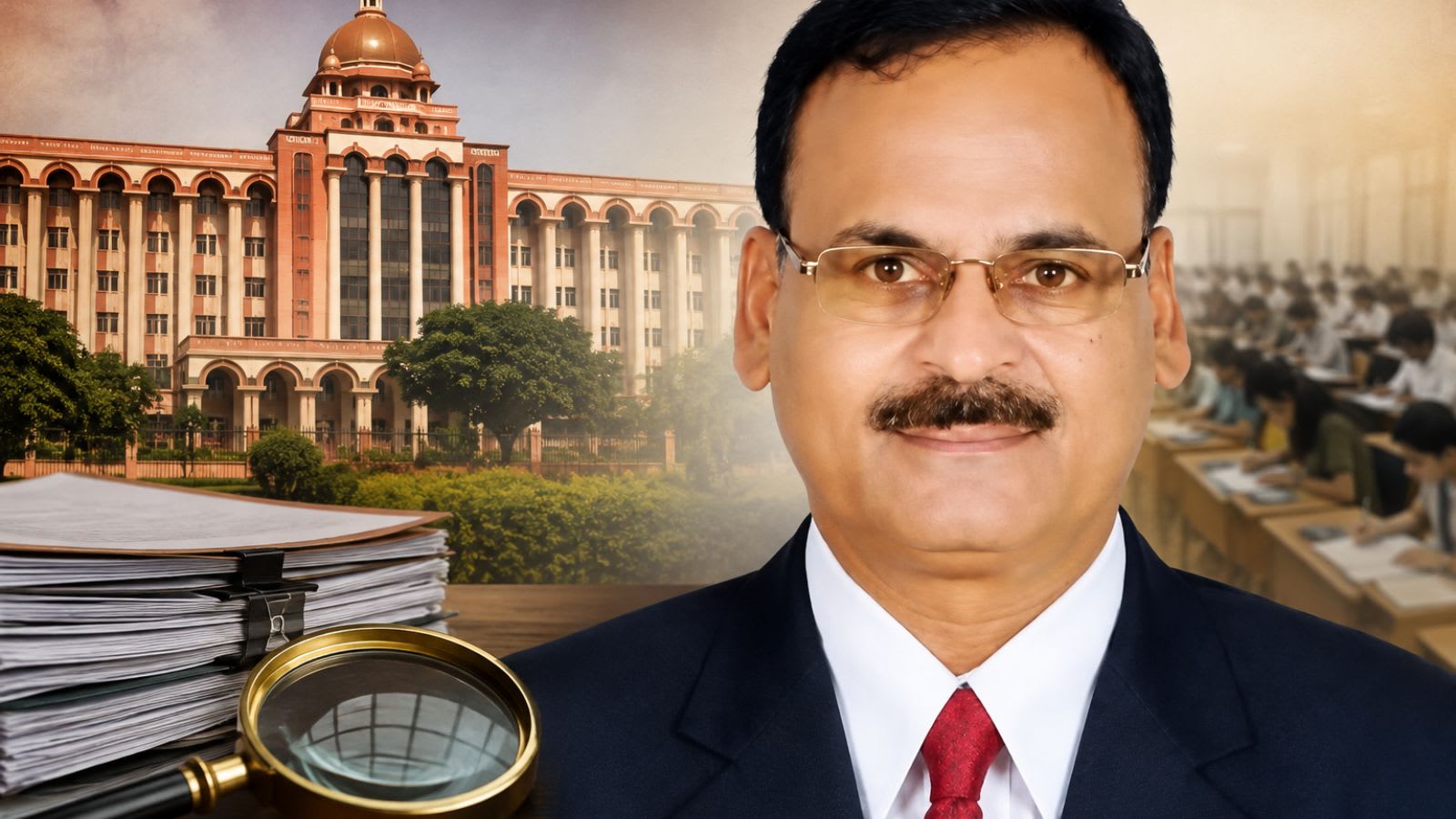
The Enforcement Directorate has arrested former KPSC chairman Shivashankarappa Sahukar and member B.V. Geetha for allegedly leaking answer keys for a veterinary recruitment exam. The investigation, which involves money laundering claims, follows revelations from other accused individuals regarding systemic recruitment fraud.
The KPSC Recruitment Scandal: A Breach of Public Trust
The arrest of former Karnataka Public Service Commission (KPSC) chairman Shivashankarappa Sahukar and member B.V. Geetha marks a significant escalation in the investigation into systemic corruption within the state's recruitment processes. The Enforcement Directorate (ED) has taken both officials into a 14-day custody following allegations that they leaked answer keys for the January 6 veterinary doctors recruitment examination in exchange for substantial bribes.
Mechanics of the Alleged Fraud
According to the ED probe, the corruption was highly targeted and financially motivated. Sahukar is accused of leaking answer keys to an aspirant in exchange for a Rs 10 lakh advance, an act that directly facilitated the candidate securing the third rank. Simultaneously, B.V. Geetha allegedly provided keys to the eventual first-rank winner for a Rs 20 lakh advance. This indicates a sophisticated operation where top-tier positions were effectively auctioned to the highest bidders, undermining the meritocratic foundation of the KPSC.
The Role of Investigative Leads
This breakthrough in the case was precipitated by the testimonies of other key figures already under investigation, specifically IAS officer Gyanendra Kumar Gangwar and Basavaraj Kannale. Their revelations provided the ED with the necessary evidence to trace the money laundering trail and link the high-ranking officials to the intermediaries who facilitated these illicit transactions. The ED is now focused on determining the full extent of this network and whether such manipulation was a recurring feature of other KPSC examinations.
Broader Implications for Administrative Integrity
Public service commissions are designed to be the gatekeepers of administrative excellence, ensuring that the most qualified individuals serve the state. When leadership within these bodies engages in selling recruitment outcomes, it erodes public confidence in government institutions. The case against Sahukar and Geetha highlights the urgent need for structural reforms and more rigorous oversight mechanisms to prevent the commodification of government jobs.
Future Trends and Accountability
As the ED continues its investigation, the focus will likely shift toward identifying whether the merit positions and final selections of other candidates were also compromised. Future trends in this case will likely involve deeper forensic audits of KPSC recruitment data to isolate further instances of fraud. The arrests serve as a stern warning that financial investigations into public officials will be pursued with rigor, potentially leading to a wider overhaul of how recruitment examinations are secured and monitored in Karnataka.