Kunickaa Sadanand shares Kangana Ranaut’s old Raksha Bandhan ad amid Kriti Sanon row: ‘Tera kutta Tommy?’
Source Entity
Latest News: Todays Latest News Headlines from India & World | Hindustan Times | Hindustan Times
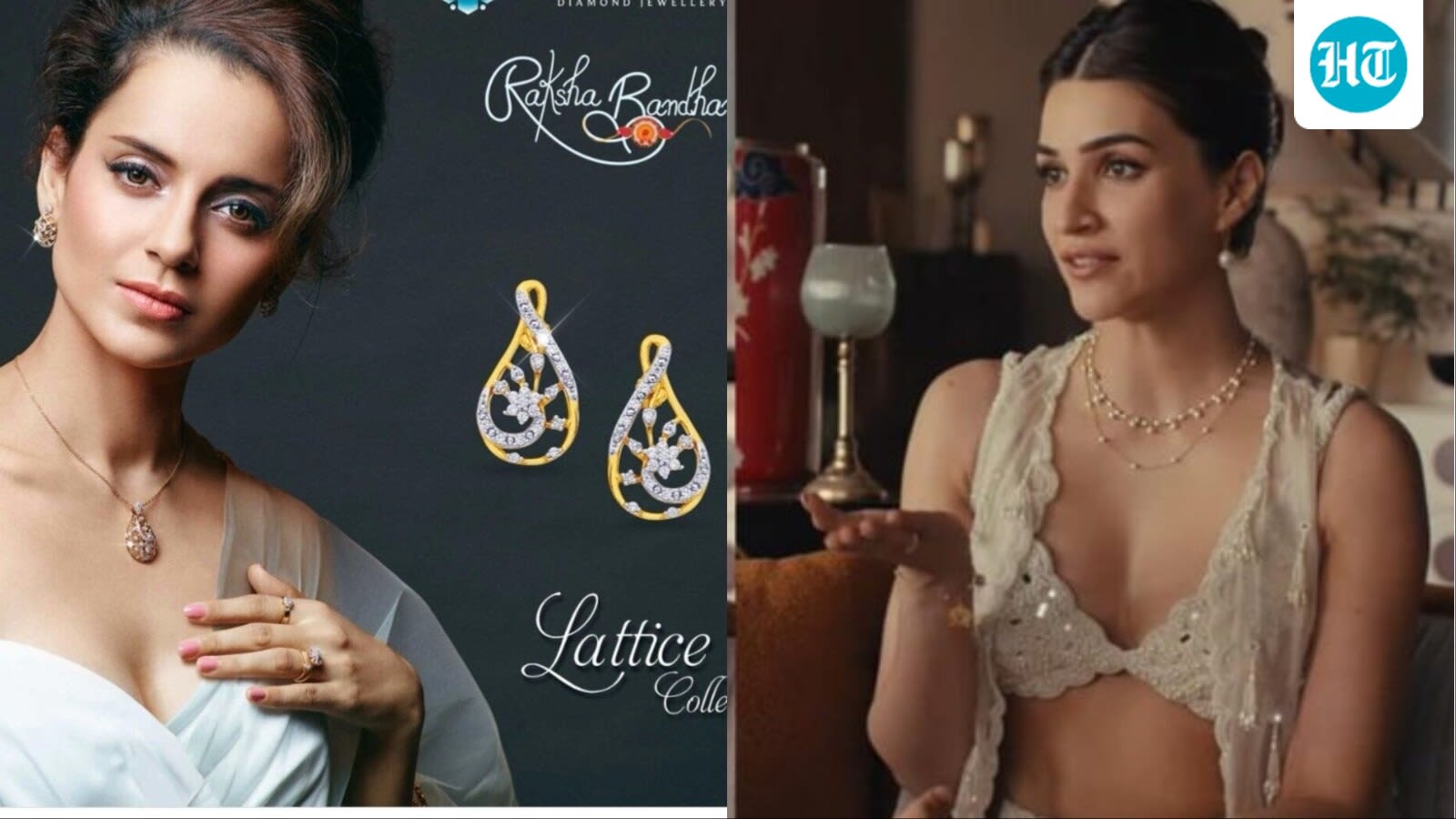
Kriti Sanon faced social media backlash over her attire in a Raksha Bandhan-themed advertisement, prompting criticism from Kangana Ranaut. Sanon responded with a subtle social media post emphasizing family bonds, while Ranaut faced counter-criticism regarding her own past advertising work.
The Intersection of Tradition and Modernity in Bollywood Advertising
The recent controversy surrounding Kriti Sanon’s appearance in a jewelry advertisement themed around the festival of Raksha Bandhan has ignited a heated debate regarding the cultural representation of traditional Indian festivals in media. At the center of the dispute is the choice of attire—specifically a bralette—which critics argued was inconsistent with the traditional sanctity associated with Raksha Bandhan. This incident highlights the growing tension between contemporary fashion choices in commercial media and the expectations of traditionalist audiences.
The Role of Public Figures and Social Media Outrage
Kangana Ranaut, currently a BJP MP and actor, emerged as a prominent critic of the advertisement. She publicly denounced both the brand and Sanon, labeling the ensemble as inappropriate for a traditional Hindu festival. This intervention transformed a localized marketing critique into a broader socio-political conversation. The discourse further escalated when Kunickaa Sadanand shared an older advertisement featuring Ranaut, suggesting a degree of hypocrisy and prompting a “Tera kutta Tommy?” style debate regarding the consistency of moral standards applied to female celebrities in the industry.
Kriti Sanon’s Strategic Response
Amidst the mounting pressure and social media trolling, Kriti Sanon opted for a measured approach. By sharing a photograph of herself and her sister, Nupur Sanon, holding hands—deliberately excluding their outfits—she effectively signaled a pivot away from the public scrutiny. Her caption, which jokingly referred to the "Rakhi fashion committee," served as a calculated deflection, emphasizing the emotional core of the festival over the superficial critiques of her commercial appearance.
Cultural Sensitivity vs. Creative Freedom
This incident underscores a recurring trend in Indian advertising where brands attempt to blend modern aesthetics with traditional values. When these attempts miss the mark, they often result in significant backlash. The inclusion of a pet dog in the advertisement, which also drew objection from some viewers, suggests that the audience is increasingly vigilant about how rituals are depicted. The conflict illustrates the delicate balance brands must maintain when navigating the deeply held cultural sentiments of their consumer base.
Historical Context and Future Implications
Historically, Bollywood actors have often found themselves at the center of cultural debates, but the digital age has accelerated the speed and intensity of these reactions. The fact that Ranaut—a high-profile political figure—engaged in the discourse indicates that such controversies are no longer confined to cinema circles; they are now part of the wider cultural war. As brands continue to leverage festive themes for marketing, they will likely face increased scrutiny regarding the authenticity and appropriateness of their representations, forcing a more cautious approach to creative direction in future campaigns.
Conclusion
The controversy serves as a microcosm of the evolving relationship between Indian pop culture and traditional societal expectations. While Sanon’s attempt to de-escalate the situation through family-centric messaging provided a temporary reprieve, the event serves as a reminder of the volatility inherent in modern celebrity brand endorsements. Moving forward, the industry must grapple with the reality that every creative choice will be scrutinized through a lens of cultural sensitivity, leaving little room for error in the eyes of an increasingly vocal public.
Verification Required?