Files relating to India’s largest nuclear power plant Kudankulam exposed in data breach
Source Entity
The Indian Express
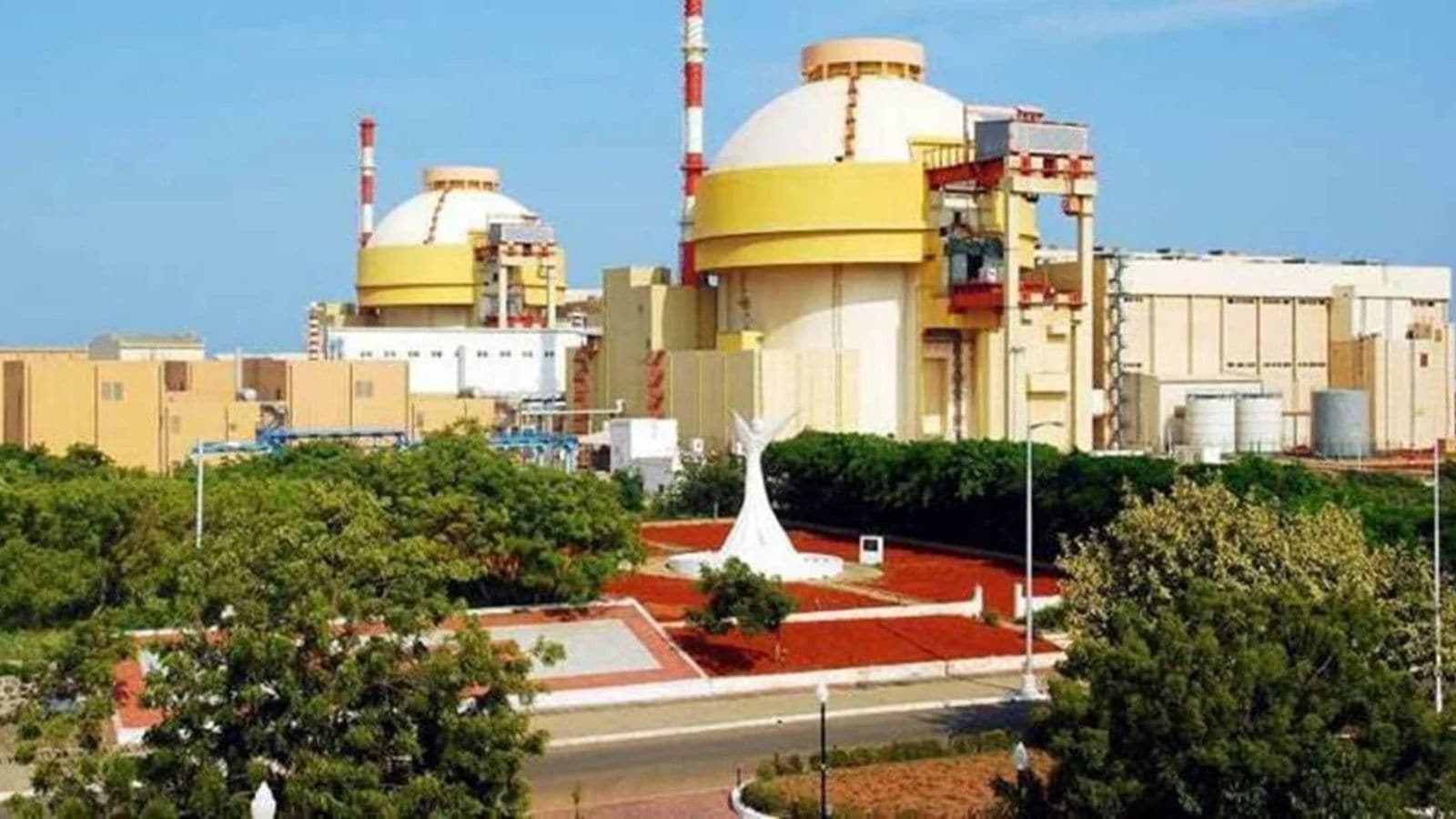
The ransomware group World Leaks has allegedly leaked a massive cache of sensitive files from the Kudankulam Nuclear Power Plant, India's largest nuclear facility, including blueprints and supplier details, on the dark web.
Security Breach at Kudankulam: A Critical Infrastructure Crisis
In a startling development that raises significant national security alarms, the ransomware group known as World Leaks has claimed to have breached the systems of the Kudankulam Nuclear Power Plant (KKNPP), India's largest nuclear energy facility. The group has reportedly posted a substantial cache of sensitive data on the dark web, which purportedly includes detailed blueprints of facility components and critical supplier information. This incident underscores the growing vulnerability of critical national infrastructure (CNI) to sophisticated cyber-attacks and highlights the evolving tactics of modern ransomware syndicates.
The Anatomy of the Leak and the Actor
The involvement of 'World Leaks' suggests a shift in the ransomware landscape from simple financial extortion to the strategic leaking of high-value intelligence. By exposing blueprints and supplier lists, the attackers move beyond the 'encrypt-and-demand' model into the realm of 'double extortion,' where the threat of public exposure is used as leverage. The exposure of supplier details is particularly concerning, as it provides a roadmap for potential 'supply chain attacks,' where adversaries target smaller, less secure vendors to eventually pivot into the primary target's hardened network.
Strategic Implications of Blueprint Exposure
The leak of facility blueprints is perhaps the most critical aspect of this breach. In the context of a nuclear power plant, technical drawings and structural layouts are not merely administrative documents; they are strategic assets. Such information could potentially be used by state-sponsored actors or non-state militants to identify physical or digital vulnerabilities in the plant's architecture. Understanding the layout of a facility allows an adversary to map out critical nodes, such as cooling systems or control rooms, significantly increasing the risk of a coordinated physical or cyber-physical attack.
The Role of Kudankulam in India's Energy Security
To understand the gravity of this event, one must consider the strategic importance of the Kudankulam plant. As the largest nuclear power station in India, Kudankulam is a cornerstone of the nation's goal to reduce carbon emissions and ensure energy independence. Any perceived or actual compromise in its security can lead to widespread public anxiety and potential operational disruptions. The facility operates under stringent safety protocols, but the digital layer—specifically the convergence of Information Technology (IT) and Operational Technology (OT)—creates a broader attack surface that is increasingly difficult to defend.
Broader Trends in Critical Infrastructure Targeting
This incident is not an isolated event but part of a global trend where energy grids and nuclear facilities are increasingly targeted. From the Stuxnet attack on Iranian centrifuges to the Colonial Pipeline breach in the US, the trend shows that cyber-adversaries view energy infrastructure as the most effective way to exert pressure on a sovereign state. The Kudankulam breach indicates that Indian critical infrastructure is now a primary target for international cyber-criminal organizations, necessitating a transition from traditional perimeter defense to a 'Zero Trust' security architecture.
Future Outlook and Mitigation Strategies
Moving forward, this breach will likely trigger a comprehensive audit of cybersecurity protocols across all Indian nuclear installations. The government and the Nuclear Power Corporation of India (NPCIL) will likely emphasize the 'air-gapping' of critical control systems to ensure that the operational side of the plant remains entirely disconnected from the public internet. Furthermore, there will likely be a push for more rigorous security vetting of third-party suppliers to close the supply-chain loopholes exposed by the leaked supplier data.
Conclusion
The data breach at the Kudankulam Nuclear Power Plant by World Leaks is a wake-up call for the management of critical infrastructure. While the immediate damage is the loss of confidential data, the long-term risk lies in the intelligence gathered by adversaries. Ensuring the resilience of such facilities requires a holistic approach that combines advanced encryption, stringent access controls, and a proactive threat-hunting posture to prevent future infiltrations.