Putin’s Crimea lifeline breached? Kremlin admits ‘massive’ drone attack, but downplays bridge damage
Source Entity
Latest News: Todays Latest News Headlines from India & World | Hindustan Times
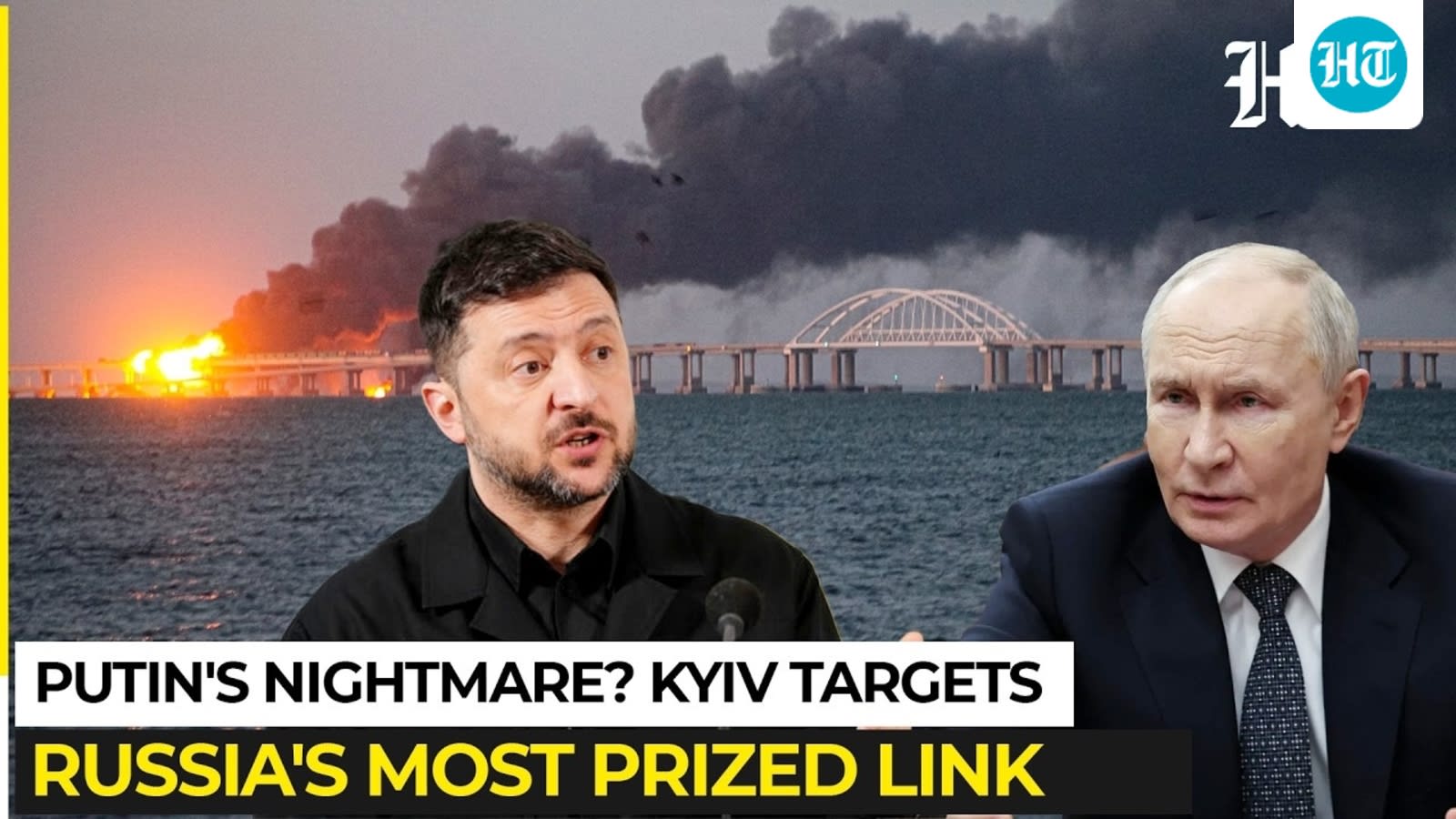
Russian ballistic missiles have struck key infrastructure in Kyiv, disrupting water and power, while Ukraine continues targeted attacks on the strategic Kerch Bridge. These escalations follow high-level diplomatic talks and represent a significant uptick in cross-border infrastructure warfare.
Escalation of Infrastructure Warfare: The Battle for Connectivity
The ongoing conflict between Russia and Ukraine has reached a new level of intensity, characterized by a reciprocal campaign targeting critical national infrastructure. Recent reports confirm that Russian forces launched a ballistic missile attack on Kyiv, specifically striking the Northern and Southern bridges spanning the Dnipro River. According to Kyiv Mayor Vitali Klitschko, these strikes have resulted in severe disruptions to the city’s water and power supplies, leaving civilians in the capital to navigate the consequences of damaged essential services.
The Strategic Significance of the Kerch Bridge
Simultaneously, Ukraine has intensified its efforts to isolate occupied Crimea by targeting the Kerch Bridge for the second consecutive day. This structure is more than just a transport link; it serves as a critical lifeline for Russian logistics and a potent symbol of President Vladimir Putin’s authority over the peninsula. While Russian-installed officials in Crimea downplay the extent of the damage, the repeated strikes—including reports of kamikaze drone hits on the bridge's arch—demonstrate a sustained Ukrainian capability to threaten Moscow's primary supply route.
The Scale of the Drone Campaign
This cycle of retaliation follows what Moscow described as the largest drone attack on its territory since the start of the war. Russian claims suggest that Ukraine deployed over 1,300 drones between November 15 and 16. While President Zelenskyy has asserted that these operations have crippled approximately 55 percent of Russia’s oil-refining capacity, these figures remain unverified. Nevertheless, the scale of these operations underscores a shift in tactical focus toward degrading the economic and military infrastructure that sustains the Russian war effort.
Diplomatic Hurdles Amidst Chaos
The timing of these strikes is particularly notable, occurring immediately following diplomatic discussions involving US envoy Jared Kushner and US special envoy Steve Witkoff. These talks were aimed at finding a path to end the years-long conflict. However, the intensification of hostilities suggests that both sides remain deeply committed to leveraging battlefield gains to strengthen their respective negotiating positions, creating a volatile environment where diplomatic progress is frequently undermined by kinetic action.
Future Trends and Outlook
Looking ahead, the targeting of bridges and energy grids indicates that both nations view the systematic destruction of infrastructure as a decisive factor in the war's outcome. For Ukraine, the goal is to disrupt Russian logistics and force a withdrawal from occupied territories. For Russia, the strategy appears to be one of attrition, aiming to make life in Ukrainian cities untenable and to diminish the nation's capacity to continue fighting. As both sides escalate these symbolic and functional strikes, the prospect for a stable ceasefire appears increasingly distant, with infrastructure likely to remain the primary theater of the war in the near term.
Multiple Citing Sources
Verification Required?