Tibetan government-in-exile objects to Wangchuk’s Ladakh-Tibet comparison: ‘Misplaced, inaccurate’
Source Entity
Naveed Iqbal
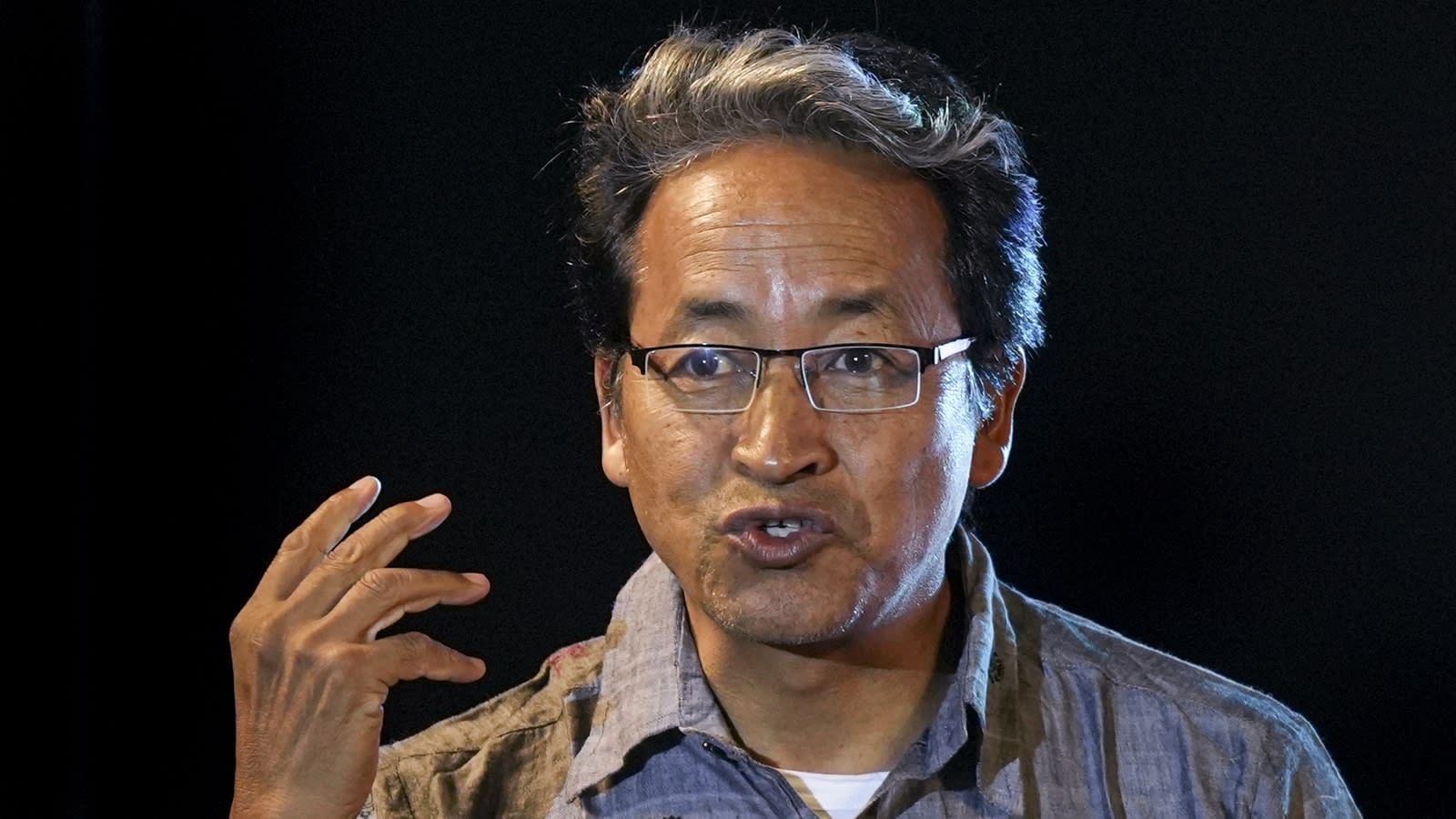
The Central Tibetan Administration has publicly rejected activist Sonam Wangchuk's comparison of Ladakh's current political situation to Chinese-occupied Tibet. The CTA labeled the remarks as inaccurate, emphasizing that the systematic repression faced by Tibetans under authoritarian rule is distinct from Ladakh's circumstances.
Tensions Emerge Over Ladakh-Tibet Narrative Comparison
Recent political discourse in Ladakh took a contentious turn when prominent activist Sonam Wangchuk drew a direct parallel between the current socio-political environment in Ladakh and the historical treatment of Tibet under Chinese governance. During a speech in Leh, marking the anniversary of civil unrest, Wangchuk’s rhetoric sought to highlight the grievances of the Ladakhi people regarding their constitutional and administrative rights. However, this comparison has triggered a swift and firm rebuttal from the Central Tibetan Administration (CTA), the Tibetan government-in-exile based in Dharamshala.
The CTA’s Stance on Historical Nuance
The CTA, through its official spokesperson Tenzin Lekshay, explicitly distanced itself from Wangchuk’s claims. By characterizing the comparison as "misplaced and inaccurate," the CTA seeks to protect the specific narrative of the Tibetan struggle. The administration argues that equating the two situations diminishes the unique, existential threat faced by the Tibetan people, who have been under what they describe as systematic, authoritarian control by the People's Republic of China for decades.
Analyzing the Core Disagreement
The fundamental friction lies in the definition of "repression." While Wangchuk’s comments are rooted in his advocacy for Ladakh’s administrative autonomy and environmental protection within the Indian democratic framework, the CTA emphasizes that the Tibetan experience is defined by the erasure of cultural identity, the suppression of religious freedom, and the total denial of fundamental rights under a foreign occupying power. The CTA’s public intervention suggests a desire to maintain a clear demarcation between domestic political policy disputes within a sovereign nation and the geopolitical reality of occupation.
Broader Geopolitical Implications
This incident highlights the sensitivity of political rhetoric in the Himalayan region. Ladakh’s strategic location, bordering both China and Pakistan, makes any discourse regarding its political status a matter of national security interest for India. When activists utilize the "Tibet model" as a rhetorical device, it risks complicating the diplomatic efforts of the Tibetan diaspora, who rely on a specific, internationally recognized definition of their struggle to garner global support.
Future Trends in Regional Advocacy
As Ladakh continues to navigate its post-Article 370 status, activists like Wangchuk will likely continue to search for powerful analogies to galvanize public sentiment. However, the pushback from the CTA serves as a cautionary tale regarding the use of international human rights comparisons. Future advocacy will likely require a more nuanced approach that avoids equating diverse geopolitical struggles, ensuring that the specific demands of the Ladakhi people—such as statehood or constitutional safeguards—are not overshadowed by inaccurate international comparisons.
Conclusion
The disagreement between Sonam Wangchuk and the Central Tibetan Administration serves as a reminder of the complexity of regional politics. While both parties are focused on the protection of cultural and political rights, the methods and narratives they employ are distinct. The CTA’s clear rejection of the comparison underscores the importance of historical accuracy in political advocacy, ensuring that the specific realities of the Tibetan situation remain central to their ongoing global campaign for autonomy.
Multiple Citing Sources