‘Kaikeyi had a divine purpose’: Lara Dutta says her Ramayana character is not a villain
Source Entity
Devansh Sharma
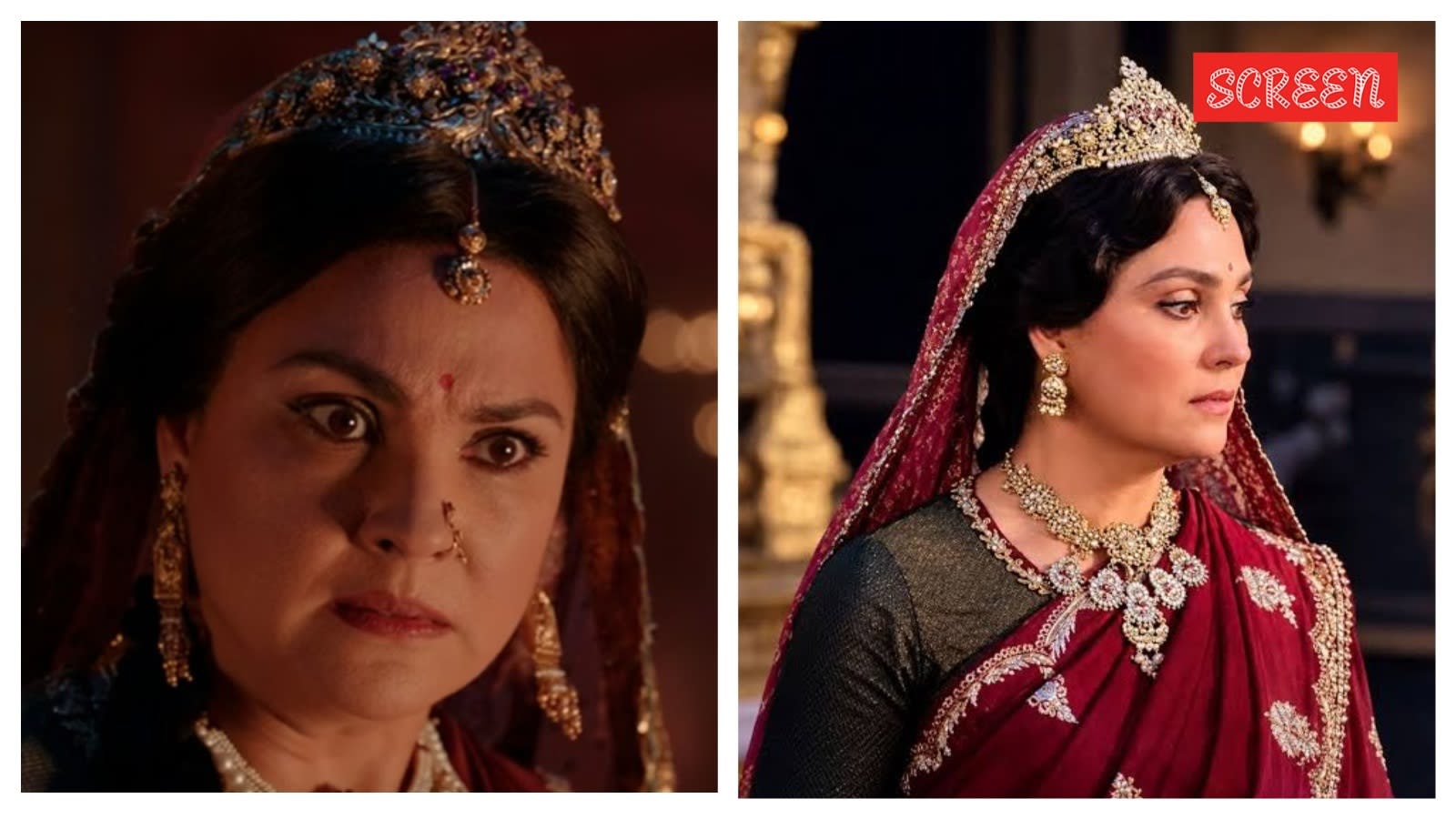
Actress Lara Dutta discusses her nuanced portrayal of Kaikeyi in Nitesh Tiwari’s upcoming Ramayana adaptation. She highlights that the character is not a simple villain, but a complex figure driven by a divine purpose.
Reimagining a Mythological Icon: Lara Dutta on Kaikeyi
The Ramayana, a foundational epic of Indian culture, has served as a canvas for countless artistic interpretations over millennia. While traditional narratives often categorize characters into binary archetypes of virtue and villainy, the character of Queen Kaikeyi has long been a subject of intense academic and theatrical debate. Lara Dutta, cast as Kaikeyi in the highly anticipated film adaptation directed by Nitesh Tiwari, is now challenging these long-standing tropes, suggesting a departure from the one-dimensional 'evil stepmother' portrayal that has dominated popular consciousness.
Moving Beyond the Villainous Trope
In popular culture, Kaikeyi is frequently reduced to the catalyst of Rama’s exile, a figure defined solely by her jealousy and the demand for her son Bharat’s coronation. However, Dutta emphasizes that Nitesh Tiwari’s directorial vision seeks to restore a sense of 'sensitivity and delicacy' to the character. By focusing on the emotional depth of the Queen, the production aims to provide a psychological realism that accounts for her actions, rather than dismissing her as an inherently malevolent force. This shift represents a broader trend in modern Indian cinema, where mythological figures are increasingly subjected to humanistic scrutiny.
The Complexity of Maternal Affection
Central to this new interpretation is the exploration of Kaikeyi’s profound affection for Rama. Dutta highlights that in this adaptation, Kaikeyi’s love for Rama is portrayed as potentially exceeding that which she holds for her own biological son, Bharat. This narrative choice complicates the traditional arc of the story, forcing the audience to reconcile the tenderness of a mother with the eventual cruelty of her demands. By grounding the character in genuine maternal love, the film suggests that her later actions were not born of simple malice, but perhaps a complex, albeit tragic, adherence to a perceived duty.
The Role of Divine Purpose
Dutta’s assertion that Kaikeyi had a 'divine purpose' suggests that the film may lean into the epic's theological underpinnings, where characters act as instruments of a larger cosmic plan. In the Ramayana, the exile of Rama is a necessary step for the eventual destruction of Ravana, a task that requires Rama to traverse the forest. By framing Kaikeyi as a figure fulfilling a destiny, the film elevates her from a mere antagonist to an essential, albeit tragic, architect of the divine narrative. This perspective invites viewers to reconsider the morality of characters who are traditionally vilified.
Implications for Modern Storytelling
The significance of this portrayal lies in its ability to bridge historical epic storytelling with contemporary character-driven drama. As filmmakers continue to adapt the Ramayana, the move away from flat archetypes allows for a more immersive experience for modern audiences who demand psychological nuance. By tracing a steep emotional arc within a limited number of scenes, Dutta and Tiwari are setting a precedent for how classical literature can be revitalized for a new generation without compromising the gravity of the source material.
Concluding Thoughts
Ultimately, the portrayal of Kaikeyi in the upcoming adaptation serves as a reminder that the Ramayana is not merely a story of good versus evil, but a deeply complex human drama. Through Lara Dutta’s nuanced performance and Nitesh Tiwari’s sensitive direction, the industry is witnessing a shift toward a more empathetic understanding of one of literature’s most misunderstood figures. This evolution in storytelling ensures that these ancient narratives remain relevant, layered, and profoundly resonant in the 21st century.