Oracle founder broke elbow in 1992; years later he gave $5m for bone disorders
Source Entity
TOI TECH DESK
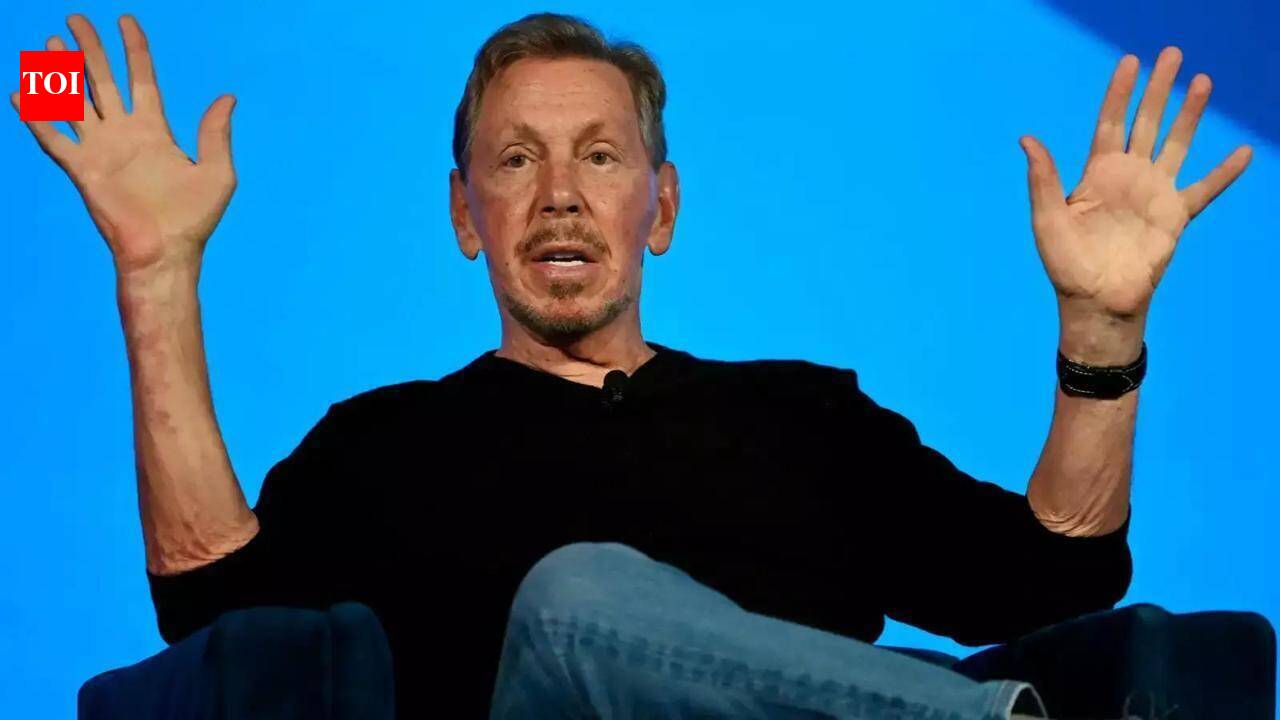
Oracle co-founder Larry Ellison donated $5 million to UC Davis after receiving successful treatment for a shattered elbow in 1992. This gift established a lasting musculoskeletal research center that continues to advance orthopedic care and injury recovery.
The Intersection of Personal Adversity and Philanthropy
The narrative of Larry Ellison, the co-founder of Oracle, serves as a compelling case study on how personal medical crises can catalyze significant advancements in public health infrastructure. In 1992, Ellison experienced a severe bicycle accident that resulted in a shattered elbow, a life-altering injury that required expert surgical intervention. His subsequent treatment under the care of Dr. Michael Chapman at UC Davis not only restored his physical function but also initiated a long-standing relationship between the tech mogul and the university’s medical system.
The $5 Million Catalyst
Following his successful recovery, Ellison demonstrated his gratitude and foresight by donating $5 million to UC Davis. This substantial financial contribution was not merely a gesture of thanks; it was a strategic investment aimed at bolstering musculoskeletal research. By funding this initiative, Ellison provided the university with the capital necessary to expand its orthopaedic capabilities, transforming a personal ordeal into a permanent fixture of medical innovation.
Building a Legacy of Orthopaedic Care
The funds provided by Ellison were instrumental in the formation of the Lawrence J. Ellison Musculoskeletal Research Center. This center was designed to tackle complex issues related to bone and muscle disorders, bridging the gap between clinical practice and advanced research. By embedding this center within the university’s framework, Ellison ensured that the methodologies developed there would be institutionalized, serving as a pillar of UC Davis’s orthopaedic identity for decades to come.
Impact on Modern Musculoskeletal Research
The influence of the Ellison Musculoskeletal Research Center extends far beyond the immediate success of his own surgery. The center has been pivotal in developing innovative surgical and rehabilitative techniques that assist individuals dealing with a wide spectrum of bone and muscle injuries. This research is particularly vital for athletes of all levels, providing them with the medical advancements necessary to recover from trauma and return to peak physical performance.
Future Trends in Medical Philanthropy
Looking forward, the case of the Ellison donation highlights a growing trend in high-net-worth philanthropy: the targeted endowment of specialized medical research. By focusing on specific fields like musculoskeletal health, donors can create tangible, measurable outcomes that directly improve patient care. As medical technology continues to evolve, the partnership between private wealth and academic research institutions remains essential for pushing the boundaries of what is possible in reconstructive surgery and long-term musculoskeletal wellness.
Conclusion
Ultimately, Larry Ellison’s $5 million donation serves as a prime example of how individual experiences with injury can drive systemic improvements in healthcare. Through his support of UC Davis, Ellison helped foster an environment of continuous learning and innovation. The legacy of his 1992 accident lives on through the thousands of patients and athletes who benefit from the advanced research and care practices cultivated at the center he helped build.