‘500% tariffs’ on India to ‘kill’ Ali Khamenei: The many controversial moments of Lindsey Graham
Source Entity
Latest News: Today's Latest News Headlines from India & World | Hindustan Times | Hindustan Times
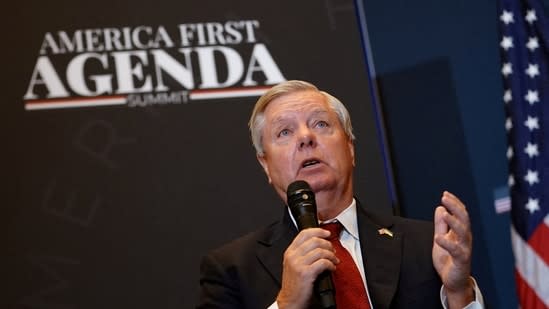
A close ally of US President Donald Trump, Graham frequently made headlines for his controversial remarks on a range of issues.
The Rhetoric of Provocation: Analyzing Lindsey Graham's Political Discourse
Senator Lindsey Graham has long been a polarizing figure in American politics, known for a rhetorical style that often oscillates between traditional diplomatic language and aggressive, high-stakes provocation. As a close ally of former President Donald Trump, Graham has frequently served as a megaphone for the 'America First' agenda, utilizing hyperbolic statements to signal strength and demand concessions from both allies and adversaries. The recent highlighting of his comments regarding '500% tariffs' on India and the elimination of Iranian Supreme Leader Ali Khamenei underscores a broader pattern of using shock value to drive political narratives.
Trade Tensions and the '500% Tariff' Threat
Graham's suggestion of imposing '500% tariffs' on India reflects the volatile nature of US-India trade relations during the Trump era. Historically, the United States has expressed frustration over India's high import duties on American goods, such as automobiles and agricultural products. By proposing an extreme tariff figure, Graham was not necessarily suggesting a feasible economic policy, but rather utilizing a 'maximum pressure' tactic. This approach aims to force trading partners to the negotiating table by creating a perceived threat of economic catastrophe. Such rhetoric, while effective for a domestic political base that favors protectionism, often complicates the strategic partnership between Washington and New Delhi, which is critical for countering regional influence in Asia.
Hawkishness and the Iranian Conflict
Equally provocative is Graham's rhetoric regarding Iran, specifically his comments concerning Ali Khamenei. This stance is rooted in a long-standing hawkish philosophy that views the Iranian regime as an existential threat to regional stability and US interests in the Middle East. Graham's willingness to suggest the removal of Iran's highest authority aligns with the 'Maximum Pressure' campaign, which sought to isolate Iran economically and politically. This aggressive posture was most visible during the 2020 assassination of General Qasem Soleimani, an event that brought the two nations to the brink of open war. Graham's comments serve as a signal to the regime that the US considers all options on the table, though critics argue such language increases the risk of miscalculation and unintended escalation.
The Evolution of a Political Chameleon
To understand these controversial moments, one must examine Graham's political evolution. Once viewed as a moderate 'maverick' and a bridge-builder during the George W. Bush administration, Graham's alignment with Donald Trump marked a significant shift in his public persona. This transition reflects a broader trend within the Republican Party, moving away from neoconservative internationalism toward a more populist, combative form of nationalism. Graham's ability to adapt his rhetoric to match the prevailing political winds of his party has allowed him to maintain influence, but it has also made him a target for criticism from both the left and the traditional right.
Implications for Global Diplomacy
The broader implication of Graham's rhetoric is the erosion of traditional diplomatic norms. When high-ranking officials use language that suggests extreme economic warfare or regime change, it can undermine the predictability of international relations. For allies like India, such statements can create a sense of instability, making long-term strategic planning difficult. For adversaries like Iran, it can reinforce a siege mentality, potentially driving them further toward defensive aggression. The shift from 'quiet diplomacy' to 'public provocation' represents a fundamental change in how the US communicates its demands on the world stage.
Conclusion: The Legacy of Combativeness
In summary, the controversial remarks of Lindsey Graham are more than just 'gaffes'; they are calculated tools of political communication. Whether threatening unprecedented tariffs or calling for the downfall of foreign leaders, Graham employs a strategy of escalation to project power. While this approach resonates with a specific domestic electorate, its long-term impact on global stability remains a subject of intense debate. As the US continues to navigate its complex relationships with India and Iran, the tension between provocative rhetoric and strategic diplomacy will remain a defining characteristic of its foreign policy discourse.
Verification Required?