Getting out of the way: my robotics crash course
Source Entity
Hacker News
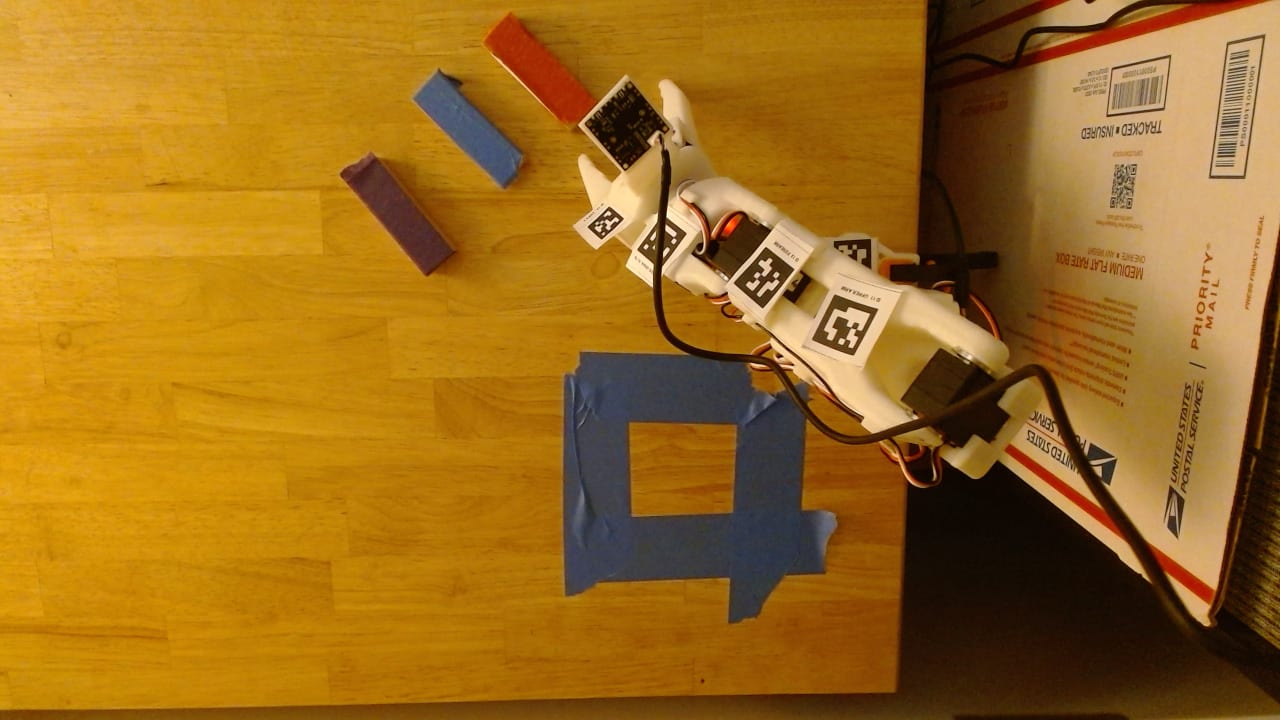
A seasoned software engineer details their transition from pure coding to robotics, driven by the productivity gains of LLM-assisted development. The narrative highlights the shift from intangible digital products to physical hardware projects.
The Convergence of Software and Physical Hardware
The landscape of modern engineering is undergoing a radical shift, as evidenced by the recent chronicles of a software veteran venturing into the world of robotics. After twenty-five years of traditional development, the author notes a profound inflection point triggered by the integration of Large Language Models (LLMs) into the coding workflow. This transition marks more than just a change in tooling; it represents a fundamental change in output velocity, with the author reporting the creation of 41 distinct projects in less than a year—a volume that eclipses their entire previous career.
The LLM Productivity Multiplier
The core catalyst for this transition is the unprecedented efficiency offered by LLM-driven software development. By leveraging these models, the author has managed to bridge the gap between ideation and deployment at an accelerated pace. This suggests that the barrier to entry for complex technical fields, such as robotics, is being lowered significantly. As software becomes easier to write and debug, engineers are increasingly looking toward hardware as the next frontier for applying their newfound productivity, moving beyond abstract code to tangible, mechanical outcomes.
From Intangibility to Physicality
A recurring theme in the author's journey is the desire to move away from the 'intangible' nature of software. While digital applications are essential, they often lack the physical presence that makes engineering feel concrete to non-technical observers. By engaging with robotics—specifically the SO-101 robot arm project—the author is seeking to ground their technical skills in physical reality. This reflects a broader trend among software professionals who are seeking to reconnect with the mechanical and electronic principles that underpin the digital world.
The Evolution of the Personal Workspace
The provided documentation, including the setup of a primitive workspace with a top-down webcam, illustrates the democratization of robotics. High-end robotics development, once confined to industrial labs or well-funded academic institutions, is now accessible to the individual practitioner. This shift is enabled by the convergence of affordable hardware components and the sophisticated software abstraction layers provided by modern AI tools, allowing a software-focused developer to manage mechanical control systems with relative ease.
Future Implications for Robotics
Looking ahead, the integration of LLMs into hardware development is likely to accelerate the pace of innovation in domestic and boutique robotics. If a single developer can pivot from software to building functional robotic arms in months, we may see an explosion in specialized, small-scale automation. As these tools become more accessible, the 'crash course' approach taken by the author serves as a blueprint for a new generation of hybrid engineers who are no longer bounded by the traditional silos of software and hardware expertise.