Trial of live facial recognition in London stations ends with a false positive and no arrests
Source Entity
Phoebe Davis and Daniel Boffey
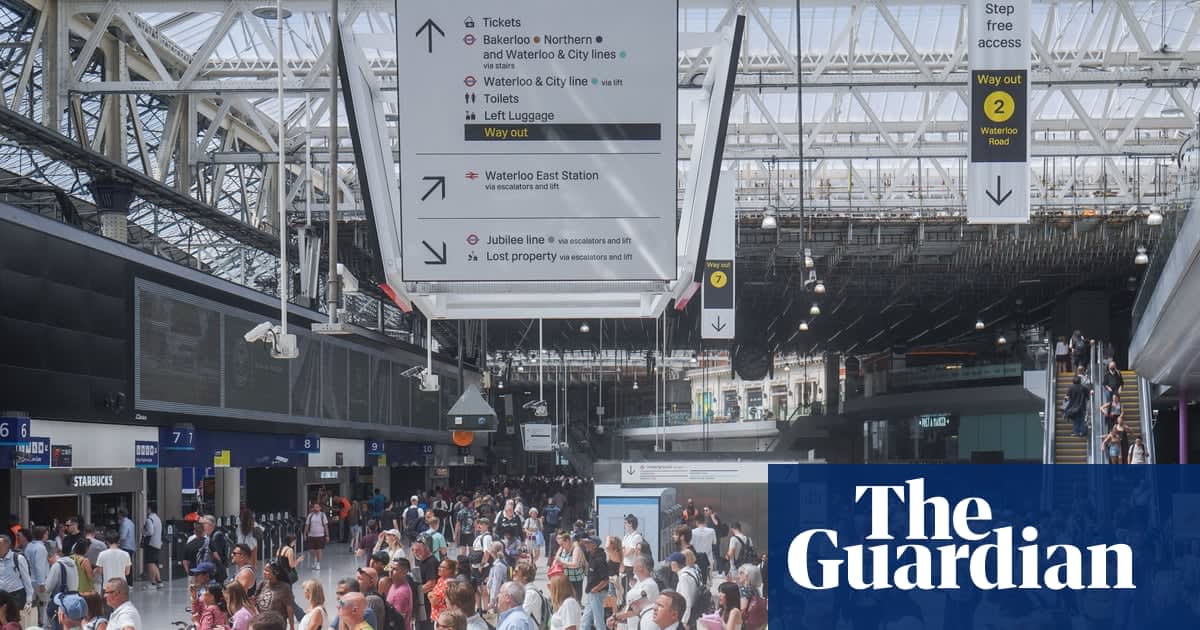
A six-month trial of live facial recognition technology in London train stations resulted in a single false positive and zero arrests. Despite costing over £320,000, the British Transport Police initiative failed to yield actionable law enforcement outcomes.
The Effectiveness of LFR Surveillance: A Critical Review
Recent reports concerning the British Transport Police (BTP) trial of live facial recognition (LFR) technology in London’s railway stations highlight a significant gap between technological investment and operational utility. Between February and July, the BTP conducted 18 deployments across various transport hubs, scanning over half a million faces in an effort to identify offenders and individuals violating court orders. However, the outcome of this six-month endeavor raises serious questions regarding the efficacy of real-time biometric surveillance in high-traffic public environments.
Financial and Operational Costs
The expenditure associated with this pilot program was substantial, totaling £320,786 in taxpayer funds. This figure covers the costs of equipment hire and the allocation of nearly 100 hours of police officer time. When analyzed against the results—zero arrests and a single false positive match—the cost-benefit ratio of the trial appears heavily skewed. The reliance on significant human and financial capital for a system that failed to produce a single verified apprehension invites scrutiny into how public safety budgets are prioritized in the digital age.
The Challenge of Accuracy and False Positives
At the core of the controversy is the issue of algorithmic accuracy. The trial resulted in a false match against a watchlist, underscoring the persistent challenges of deploying facial recognition in dynamic, uncontrolled settings. False positives in biometric surveillance are not merely technical glitches; they represent potential infringements on individual privacy and the risk of wrongful detention or harassment of innocent citizens. The fact that the system misidentified a member of the public suggests that the maturation of this technology remains insufficient for reliable policing.
Privacy and Public Scrutiny
The scale of the trial, involving the scanning of over 500,000 faces, highlights the tension between public surveillance and civil liberties. Advocacy groups, including those behind the Freedom of Information request that brought these details to light, have long argued that such wide-scale biometric scanning lacks the necessary oversight to protect the public. The lack of arrests despite such a massive data collection effort provides ammunition to critics who argue that LFR is an intrusive tool with limited practical application for crime prevention.
Future Implications for Urban Policing
Moving forward, the results of this trial will likely influence how law enforcement agencies across the UK approach the integration of AI-driven surveillance. The failure to achieve tangible results in a controlled, six-month test period suggests that future deployments may face increased political and legal hurdles. Policymakers will need to determine whether the pursuit of automated identification is worth the financial burden and the potential erosion of public trust, especially when traditional methods of policing remain the primary drivers of successful investigations.
Conclusion
Ultimately, the BTP’s six-month trial stands as a cautionary tale regarding the adoption of unproven surveillance technologies. While the intent to enhance public safety is clear, the disparity between the investment of £320,000 and the lack of actionable intelligence suggests that the technology is not yet ready for widespread deployment in London’s transit network. The future of LFR will depend on significant improvements in accuracy and a clearer demonstration that such tools can deliver genuine public security benefits without compromising civil rights.