Here's how the Los Angeles Lakers' $12.5B sale impacts the value of all 30 NBA teams
Source Entity
US Top News and Analysis
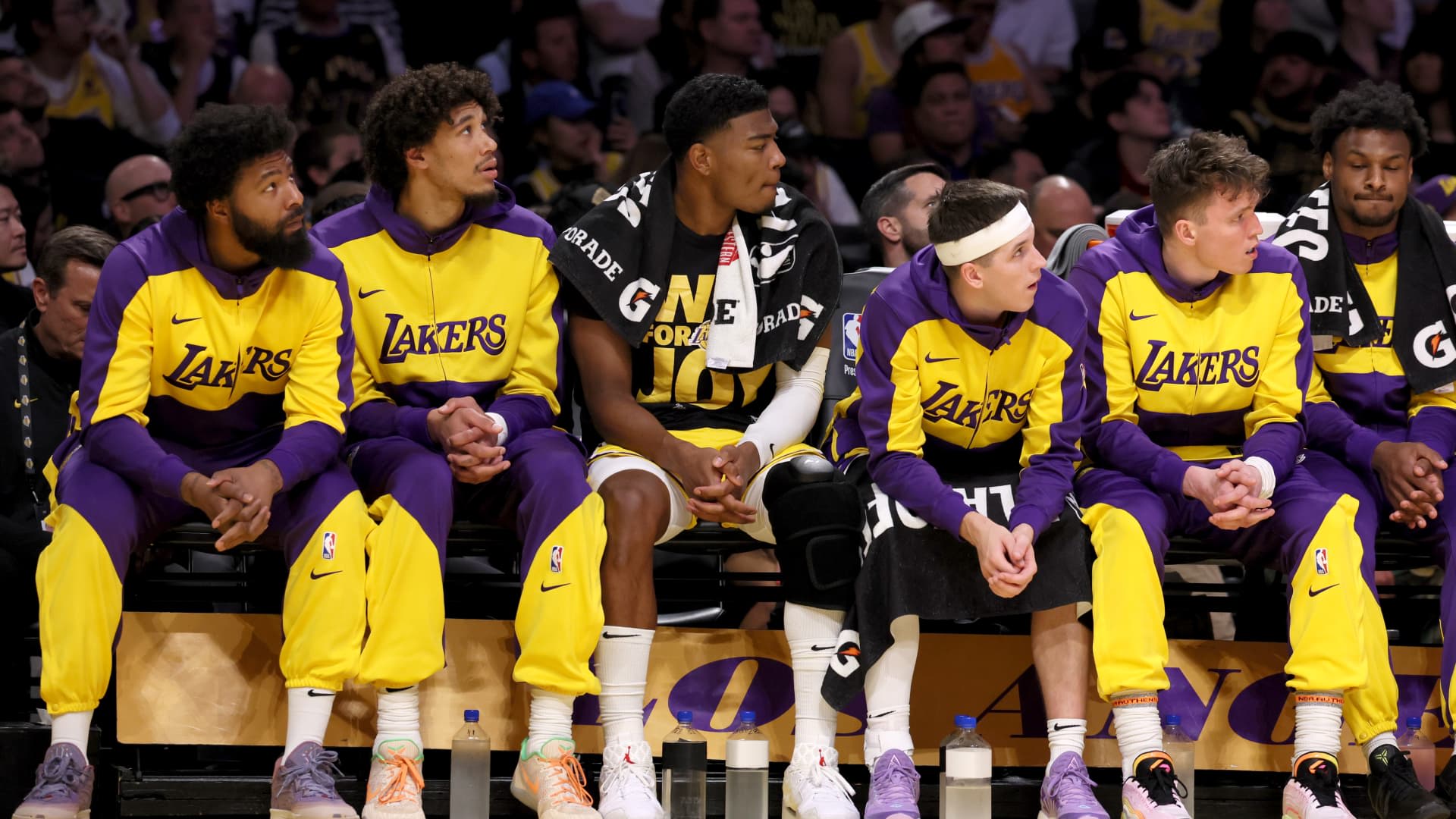
The $12.5 billion sale of the Los Angeles Lakers is poised to trigger a 21% surge in average NBA team valuations. This record-breaking deal establishes a new financial benchmark for professional sports franchises.
The $12.5 Billion Lakers Sale: A New Financial Paradigm
The sports business landscape is currently undergoing a seismic shift following the announcement of the $12.5 billion sale of the Los Angeles Lakers. This pending transaction, involving seller Mark Walter and buyers Joshua Kushner and Bob Iger, marks a historic milestone in professional sports valuation. By setting a price point that significantly eclipses previous benchmarks, this deal serves as a catalyst for a comprehensive reassessment of the entire NBA marketplace.
Impact on League-Wide Valuations
According to data from CNBC’s proprietary team transaction database, the ripple effects of this sale are immediate and quantifiable. If the transaction receives official approval, the average valuation for all 30 NBA teams is projected to rise by 21%, pushing the average team worth to $6.68 billion. This adjustment highlights how a single high-profile acquisition can recalibrate the perceived market value of every other franchise within the league, effectively raising the barrier to entry for future investors.
Record-Breaking Revenue Multiples
Central to the significance of this deal is the revenue multiple it commands. The $12.5 billion valuation represents an estimated 20 times the team's projected 2025-26 season revenue. This is an all-time high for a control stake in an NBA franchise, signaling that investors are prioritizing long-term growth and brand equity over immediate cash flow. This shift in valuation methodology underscores the Lakers' status as a global media and entertainment powerhouse.
Historical Context and Competitive Standing
To understand the magnitude of this sale, one must look at the progression of team valuations over time. Mark Walter’s acquisition of a control stake in October at a $10 billion valuation was already a historic signal, but the jump to $12.5 billion in such a short window demonstrates unprecedented momentum. While the Golden State Warriors remain the league's most valuable team, this sale forces a league-wide upward adjustment, narrowing the valuation gap between the top tier of franchises and the rest of the NBA.
Future Trends in Sports Ownership
Looking ahead, this sale sets a new floor for sports franchise transactions. By validating such high revenue multiples, the Lakers deal provides a blueprint for how private equity and high-net-worth individuals view the stability and growth potential of professional sports. As valuations climb, the league may see a transition toward more institutional ownership structures, as the capital requirements to control such assets continue to escalate at an aggressive pace.
Conclusion
The $12.5 billion Lakers deal is more than just a change in ownership; it is a financial event that redefines the asset class of professional sports. As the league’s economic landscape evolves, the record-breaking nature of this sale will likely be studied as the moment NBA team valuations entered a new, hyper-inflated era, cementing the league's position as a premier global business entity.