Lucid dismisses report that it is weighing filing for bankruptcy or going private after shares plunge
Source Entity
US Top News and Analysis
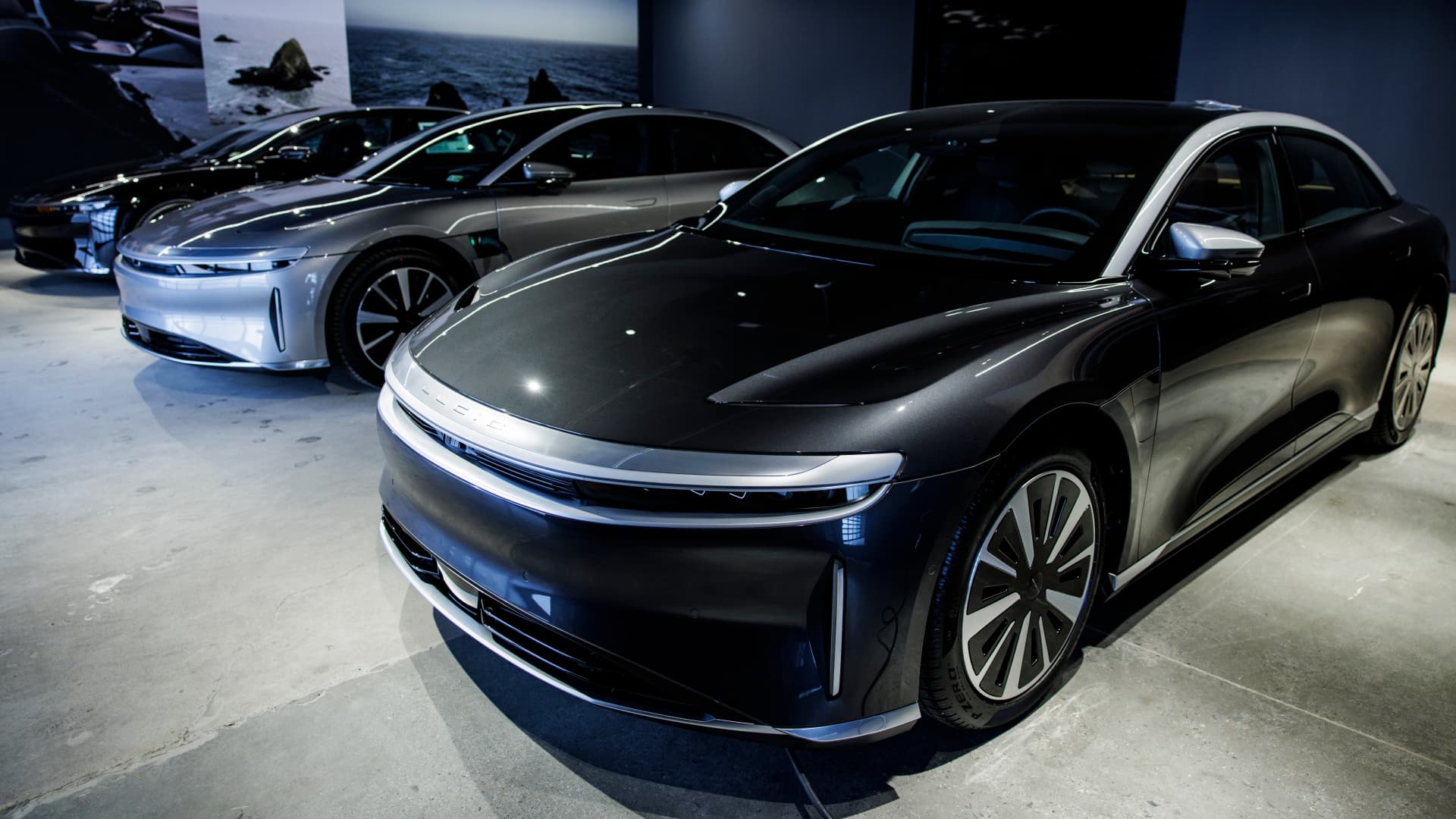
Lucid Group has officially denied reports suggesting the company is considering filing for bankruptcy or transitioning to a private company following a significant decline in its share price.
Lucid Refutes Bankruptcy and Privatization Rumors
Lucid Group has stepped forward to decisively dismiss reports suggesting the company is exploring bankruptcy protection or a transition to a private entity. This denial comes in the wake of a sharp decline in the company's share price, a volatility that often fuels speculative narratives regarding a firm's long-term financial viability. By explicitly denying these claims, Lucid is attempting to stabilize investor confidence and signal that its current operational trajectory remains unchanged despite the headwinds facing the luxury electric vehicle (EV) sector.
The Catalyst: Market Volatility and the EV Downturn
The rumors surfaced during a period of intense pressure on the broader EV market, often referred to as the "EV winter." High interest rates have made vehicle financing more expensive for consumers, while a general cooling of demand for high-priced luxury EVs has put immense pressure on manufacturers with high overhead costs. For Lucid, the plunge in share price acted as a trigger for market analysts to speculate on "worst-case scenarios," such as bankruptcy or a buyout to take the company private. This pattern is common in the tech and automotive sectors, where a falling stock price is often misinterpreted as an immediate precursor to insolvency.
The Strategic Safety Net: The Saudi PIF
Crucial to analyzing these rumors is Lucid's unique financial relationship with the Public Investment Fund (PIF) of Saudi Arabia. Unlike many other EV startups that rely solely on public equity markets or venture capital, Lucid is heavily backed by the PIF, which owns a majority stake in the company. This relationship provides Lucid with a massive capital cushion that significantly lowers the immediate risk of bankruptcy compared to its peers. The PIF's long-term strategic interest in diversifying the Saudi economy via "Vision 2030" suggests a level of commitment that makes a bankruptcy filing highly unlikely in the near term, as the sovereign wealth fund has the capacity to inject further liquidity if necessary.
Analyzing the "Going Private" Speculation
The suggestion that Lucid might go private is a common theme for companies facing extreme stock volatility. Going private allows a company to escape the relentless pressure of quarterly earnings reports and the scrutiny of public shareholders, enabling management to focus on long-term restructuring without the influence of short-term market sentiment. Given the volatility of Lucid's shares, some investors speculated that the PIF might find it more efficient to take full control and manage the company's growth away from the public eye. However, Lucid's denial indicates that it still sees value in its public listing and the associated capital-raising capabilities.
The Broader Industry Context: The EV Shakeout
Lucid's denial occurs against a backdrop of a wider "shakeout" in the electric vehicle industry. Several smaller EV startups have already filed for bankruptcy or faced severe liquidity crises as the gap between production costs and actual sales narrowed. In this environment, any sign of financial weakness in a mid-sized player like Lucid is quickly amplified. The company's struggle to scale production and reach a break-even point is a shared challenge across the industry, but the specific rumors of bankruptcy highlight the precarious nature of the luxury EV niche, where high margins are required to offset massive R&D expenditures.
Future Outlook and the Path to Stability
Moving forward, Lucid's ability to silence these rumors permanently will depend on its ability to execute its product roadmap, specifically the launch of the Gravity SUV. Expanding the product lineup beyond the Air sedan is essential for capturing a larger market share and increasing revenue streams. If Lucid can demonstrate a clear path to profitability and scale its manufacturing efficiency, the market's focus will shift from survival rumors to growth metrics. The company's insistence that it is not weighing bankruptcy is a declaration of confidence in its upcoming product cycle and its ongoing partnership with the PIF.
Summary
In conclusion, while the plunge in share price created a vacuum for speculation, Lucid's official denial clarifies that bankruptcy and privatization are not currently on the table. The company remains anchored by the substantial financial backing of Saudi Arabia's PIF, which distinguishes it from other struggling EV startups. The primary challenge for Lucid remains the transition from a niche luxury manufacturer to a scalable automotive brand, a journey that will continue to be scrutinized by the public markets.