Waterlogging leaves parts of Lko without power for over 70 hours
Source Entity
Latest News: Todays Latest News Headlines from India & World | Hindustan Times | Hindustan Times
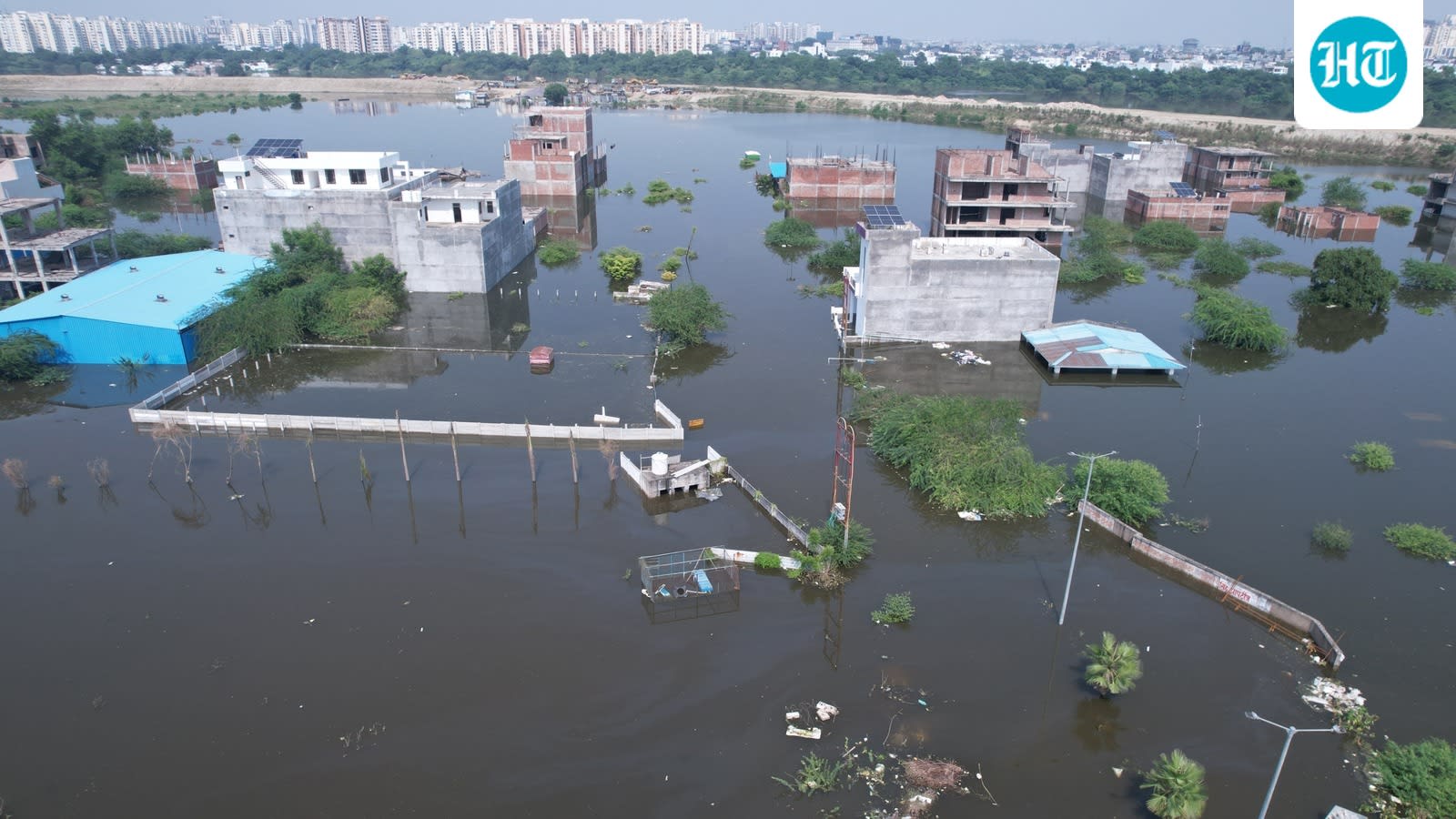
Lucknow is facing severe flooding and power outages due to upstream runoff from the Gomti River. Authorities have cut electricity to several neighborhoods to prevent accidents while monitoring rising water levels.
The Crisis of Delayed Inundation in Lucknow
Lucknow is currently grappling with a paradoxical flooding crisis where neighborhoods remain submerged days after local rainfall has ceased. The primary driver of this situation is the delayed arrival of runoff generated approximately 250km upstream in the Gomti catchment area. While the city itself may have experienced a respite from heavy precipitation, the massive volume of water discharged upstream has taken eight to ten days to travel downstream, catching many residents off guard as the river levels began to swell.
Infrastructure and Safety Measures
The impact on public infrastructure has been severe, particularly regarding the city’s power distribution network. The Lucknow Electricity Supply Administration (LESA) has been forced to disconnect 11 transformers entirely, while nearly 10 others remain only partially operational. These drastic measures are being taken as a safety precaution; LESA officials have emphasized that attempting to restore power while electrical installations are surrounded by floodwater poses a lethal risk of electrocution to the public and utility workers alike.
Worst-Hit Regions and Human Impact
Residents in the northern sections of the city have borne the brunt of these outages, enduring power cuts that have now extended beyond 70 hours. Specific localities, including Faizullahganj, Daud Nagar, Priyadarshini, Yash Nagar, Sinha Colony, Alo Atta Chakki, the GSI substation area, and Jankipuram Extension, are among the most severely affected. In these areas, the combination of stagnant water and a lack of electricity has disrupted daily life, forcing many to relocate or adapt to primitive conditions until the water recedes.
The Role of Urbanization and River Dynamics
Experts point to a combination of natural hydrological cycles and man-made environmental pressures as the catalysts for this disaster. While the Gomti River level at Hanuman Setu was measured at 106.99 meters—remaining below the danger mark of 109.50 meters—the volume of water has still overwhelmed the city's drainage capacity. This is significantly exacerbated by rapid, unchecked urbanization and the encroachment of residential structures onto the river’s natural floodplains, which restricts the river's ability to discharge water safely.
Future Outlook and Mitigation
Looking ahead, officials expect a gradual improvement as the runoff emissions from upstream begin to stabilize. However, this event serves as a stark reminder of the vulnerability of Lucknow’s low-lying colonies. The 1971 record flood level of 110.85 meters remains a historical benchmark, but the current challenges demonstrate that even lower water levels can cause significant socioeconomic disruption when urban planning fails to account for the river's natural trajectory and the inevitable reality of upstream catchment runoff.
Verification Required?