From 1090 roundabout to Ayodhya Road, Lucknowites pitch traffic fixes
Source Entity
Latest News: Todays Latest News Headlines from India & World | Hindustan Times | Hindustan Times
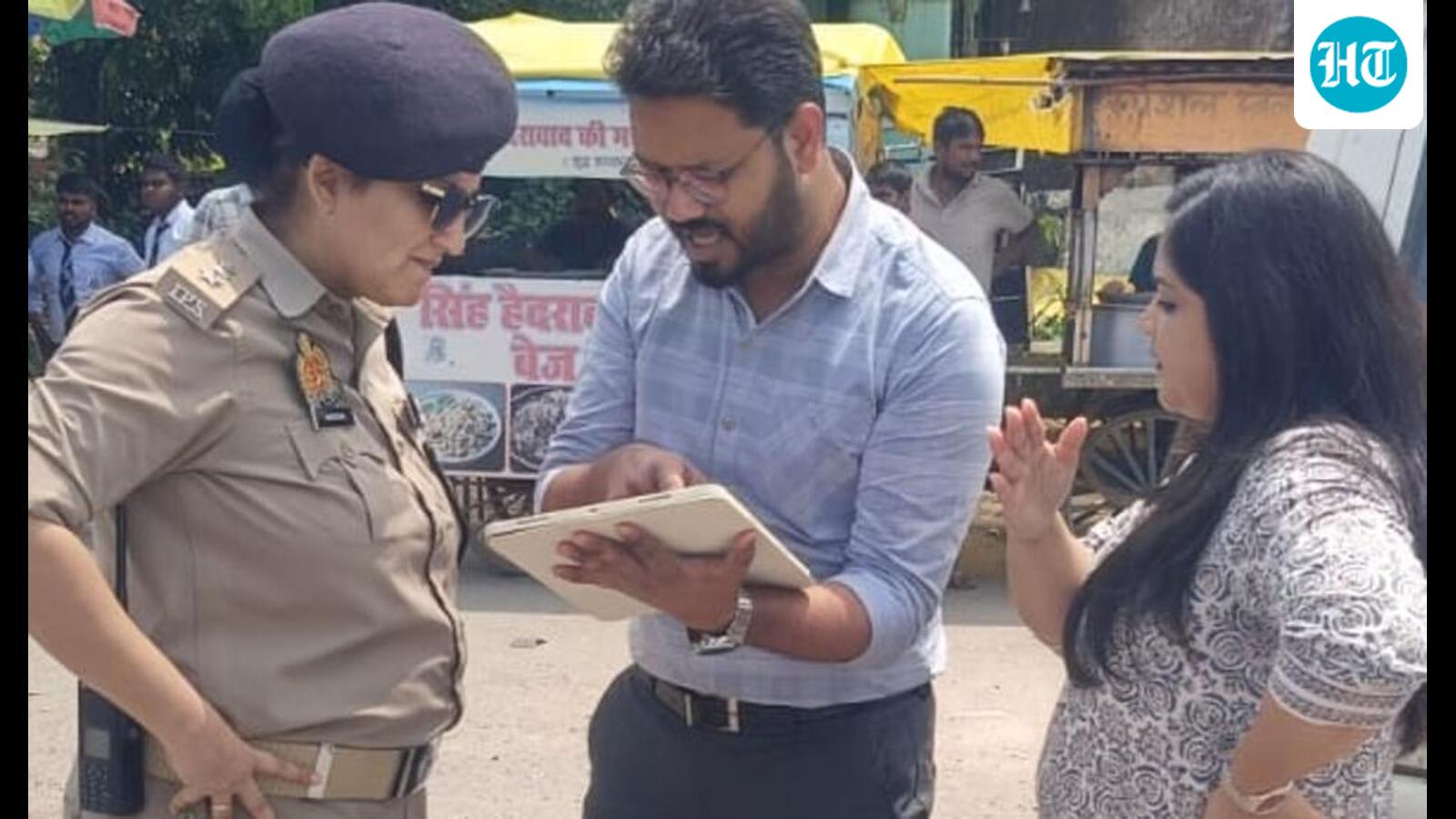
Lucknow Traffic Police has launched the 'Sahbhagita' initiative, allowing citizens to use QR codes to report traffic bottlenecks and suggest infrastructure improvements. Officials are actively reviewing these public submissions, with initial feedback already leading to site inspections at major city hotspots.
Lucknow Empowers Citizens in Traffic Management
The Lucknow Traffic Police has introduced a progressive governance model through its new 'Sahbhagita' initiative. By leveraging QR code technology, the department is bridging the communication gap between urban planners and the residents who navigate the city's streets daily. This move transforms the average commuter from a passive observer of traffic congestion into an active participant in urban infrastructure solutions.
The Mechanics of 'Sahbhagita'
The initiative is designed for maximum accessibility, utilizing a bilingual Google Form that allows residents to document specific traffic hazards. Participants are required to submit precise location data, including latitude and longitude, alongside photographic evidence of issues such as unsafe U-turns, poorly marked pedestrian crossings, and school-zone congestion. By requiring this level of detail, the police ensure that the data collected is actionable rather than anecdotal.
Moving Beyond Complaint to Collaboration
Historically, traffic reporting has been limited to complaints about existing jams. The 'Sahbhagita' project shifts this paradigm by asking citizens to provide their own 'solution ideas.' This collaborative approach acknowledges that locals often have the best insights into the specific bottlenecks that plague their neighborhoods. For instance, early submissions have already targeted high-traffic areas like the 1090 roundabout and Ayodhya Road, demonstrating the public's willingness to engage in sophisticated urban planning discourse.
From Digital Input to Physical Inspection
The efficacy of this initiative is currently being tested through direct police involvement. Following the receipt of 14 initial proposals, officials, including DCP Traffic Raveena Tyagi, conducted on-the-ground inspections of the Ayodhya Road stretch. This rapid response loop—where digital reports trigger physical site assessments—is a critical component in maintaining public trust and ensuring that the initiative remains a functional tool rather than a bureaucratic exercise.
Future Implications and Urban Scalability
If successful, the 'Sahbhagita' model could serve as a blueprint for other Tier-2 Indian cities grappling with rapid motorization and infrastructure strain. The ability to coordinate with multiple departments for the implementation of safety fixes suggests that the police intend to use this data to drive systemic changes, such as modifying road geometry or clearing encroachments. As more citizens participate, the resulting database of traffic pain points will likely become an invaluable asset for long-term municipal planning and road safety policy in Lucknow.
Verification Required?