Journalist Satyam Verma's bail plea in Noida workers’ protest case: What is the principle of parity in bail cases? | Explained
Source Entity
India Latest News: Top National Headlines Today & Breaking News | The Hindu
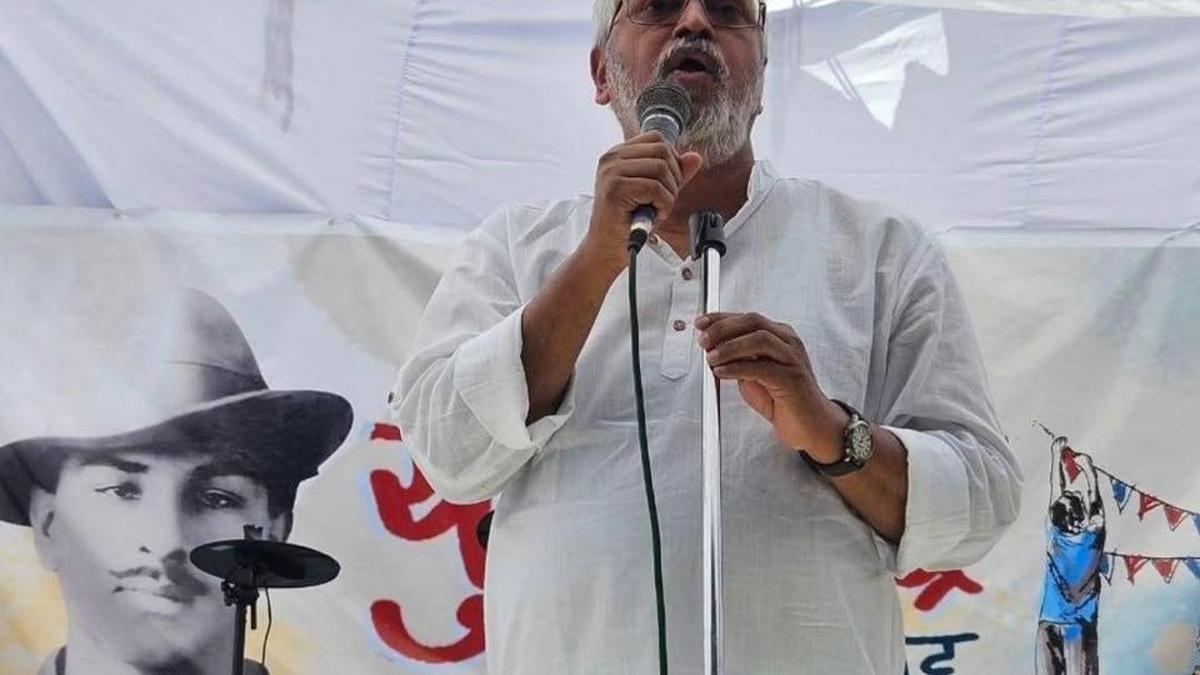
The Allahabad High Court has deferred the bail hearing for journalist Satyam Verma, who is seeking relief based on the principle of parity with a co-accused. The court will now evaluate the State's objections regarding this legal doctrine on September 23.
Legal Scrutiny of the Principle of Parity in the Satyam Verma Case
The ongoing legal proceedings concerning freelance translator and former journalist Satyam Verma have brought the complex 'principle of parity' into sharp focus. Verma, currently facing 11 criminal cases linked to the April 2026 workers’ protest in Noida, saw his bail hearing deferred by the Allahabad High Court on September 15, 2026. This delay allows the state counsel to formally submit objections regarding the applicability of parity in his specific situation, setting a critical precedent for how courts weigh individual culpability against collective charges.
Understanding the Principle of Parity
At its core, the principle of parity is a legal doctrine suggesting that an accused person should be granted bail if a co-accused, facing similar allegations and evidence, has already been granted the same relief. The rationale is to ensure consistency and fairness within the judicial system, preventing arbitrary detention for one individual while another, similarly situated, walks free. However, this is not an automatic right; it is a discretionary tool used by judges to maintain equilibrium in the application of law.
Challenges in Application
While the defense argues for equality, the state’s intervention highlights the nuance courts must navigate. The principle of parity is not absolute because no two criminal roles are identical. Courts must meticulously assess the 'individual role' of the accused, the specific evidence against them, and their prior criminal history or potential for tampering with investigations. In the case of the Noida workers’ protest, the court is tasked with determining whether Verma’s actions were substantively distinct from those of the co-accused who secured bail in June 2026.
Broader Implications for Media and Protest
This case carries significant implications for the intersection of journalism and civil unrest. When journalists or media workers are implicated in large-scale protests, the judicial system faces the challenge of separating the act of reporting from the act of participation. The state’s insistence on filing objections suggests a rigorous approach to the 11 cases Verma faces, signaling that the prosecution intends to differentiate his role from others involved in the April 2026 events.
Judicial Discretion and Future Trends
As the court prepares for the hearing on September 23, the outcome will likely reinforce how trial courts approach bail pleas in multi-accused criminal cases. If the court grants bail based on parity, it reaffirms the necessity of consistency in judicial outcomes. Conversely, if the court denies it, it will underscore the primacy of individual evidence over collective status. This case serves as a reminder that bail jurisprudence remains a delicate balance between individual liberty and the state's mandate to maintain public order.
Conclusion
The deferment of Satyam Verma’s bail plea is a procedural step that highlights the complexity of modern criminal litigation. By prioritizing a thorough review of the state’s objections, the Allahabad High Court is ensuring that the principle of parity is applied judiciously rather than reflexively. All eyes will be on the September 23 proceedings, which will clarify the threshold for parity in high-profile protest cases.
Verification Required?