Madhya Pradesh Chief Minister Says Ladli Behna Scheme "Heavy Financial Burden"
Source Entity
NDTV News Search Records Found 1000
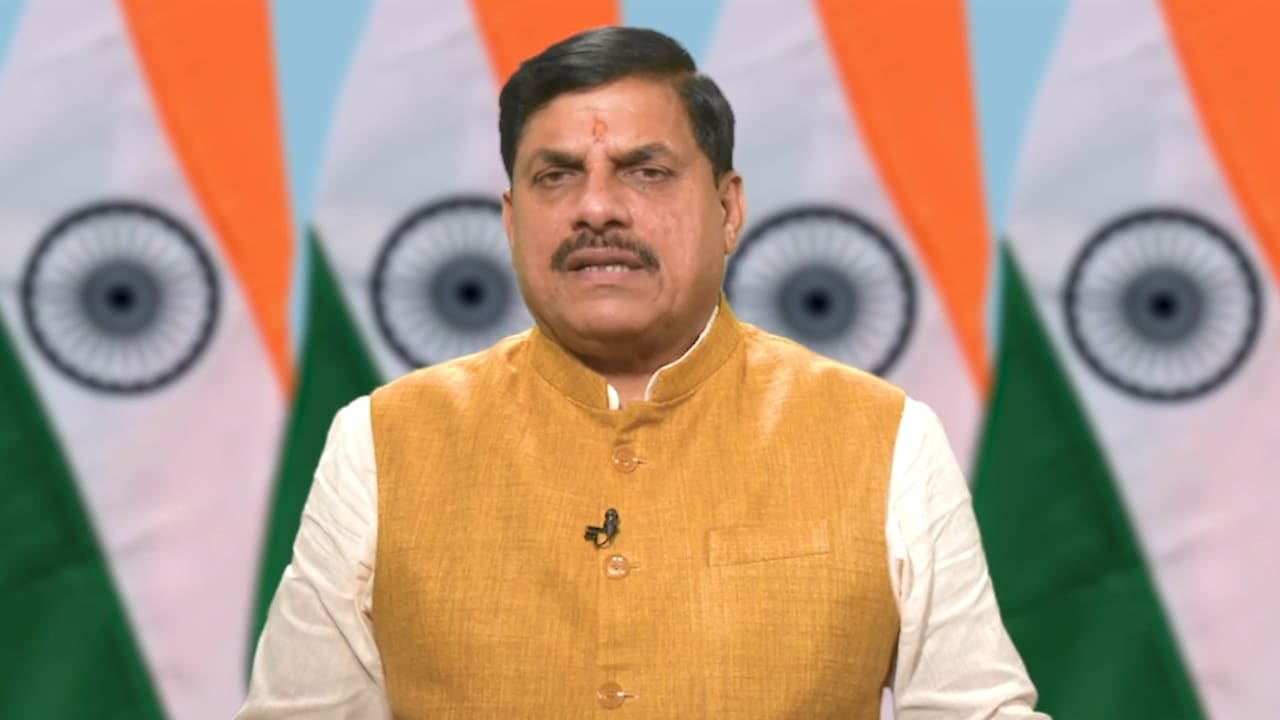
Madhya Pradesh's Ladli Behna scheme, which supports over 1.31 crore women, has been flagged by the Chief Minister as a significant financial challenge. The program's massive scale highlights the ongoing struggle to balance social welfare commitments with state budgetary constraints.
The Fiscal Challenges of Social Welfare in Madhya Pradesh
The Ladli Behna scheme in Madhya Pradesh represents one of the most significant social welfare initiatives in contemporary Indian politics. By October 2023, the program had successfully expanded its reach to include more than 1.31 crore women across the state. This massive scale of implementation underscores the government's commitment to direct benefit transfers as a tool for socioeconomic empowerment, aiming to provide financial autonomy to millions of households.
The Burden of Scale
Despite the program's popularity and its clear impact on the lives of millions, the sheer magnitude of the beneficiary base has introduced substantial fiscal pressure. The Chief Minister of Madhya Pradesh has publicly acknowledged that the scheme has become a "heavy financial burden" on the state exchequer. When a program reaches over 13 million individuals, the cumulative cost of monthly disbursements necessitates a significant portion of the state budget, requiring careful fiscal management to ensure sustainability without compromising other developmental sectors.
Balancing Development and Welfare
This situation highlights a classic dilemma in governance: the trade-off between immediate social welfare spending and long-term capital expenditure. While the Ladli Behna scheme provides immediate relief and economic support to women, the state must simultaneously invest in infrastructure, education, and healthcare to drive future economic growth. The "heavy burden" mentioned by the leadership reflects a candid assessment of the difficulty in maintaining such expansive welfare nets amidst fluctuating state revenues.
Broader Implications for State Policy
The fiscal realities facing Madhya Pradesh serve as a case study for other Indian states pursuing similar direct benefit schemes. As social welfare programs become central to political manifestos, the pressure on state budgets intensifies. The challenge lies in creating a model where welfare is not only politically desirable but also fiscally resilient. The current discourse around the scheme suggests that the state government is grappling with how to maintain these payments while managing debt levels and fiscal deficits.
Historical Context and Future Trends
Historically, welfare schemes in India have often been used to mobilize voter bases, but the scale of the Ladli Behna program is unprecedented in the state’s recent history. Looking ahead, the government will likely need to explore strategies for fiscal consolidation or seek more efficient delivery mechanisms to reduce the administrative and financial weight of the project. The ongoing dialogue about the scheme's cost indicates that future policy decisions will likely focus on balancing the continuity of these payments with the broader goal of long-term economic stability.
Conclusion
In conclusion, the Ladli Behna scheme stands as a testament to the power of targeted social support but also serves as a stark reminder of the limitations of state resources. With over 1.31 crore women currently relying on this support, the government faces the delicate task of sustaining this massive mandate. The transparency regarding the "heavy financial burden" is a crucial first step in the necessary public conversation about the future of welfare economics in the state.
Verification Required?