Giant screens, fans, Carlsen: Chess at EWC gets louder on the esports stage
Source Entity
VINEET RAMAKRISHNAN
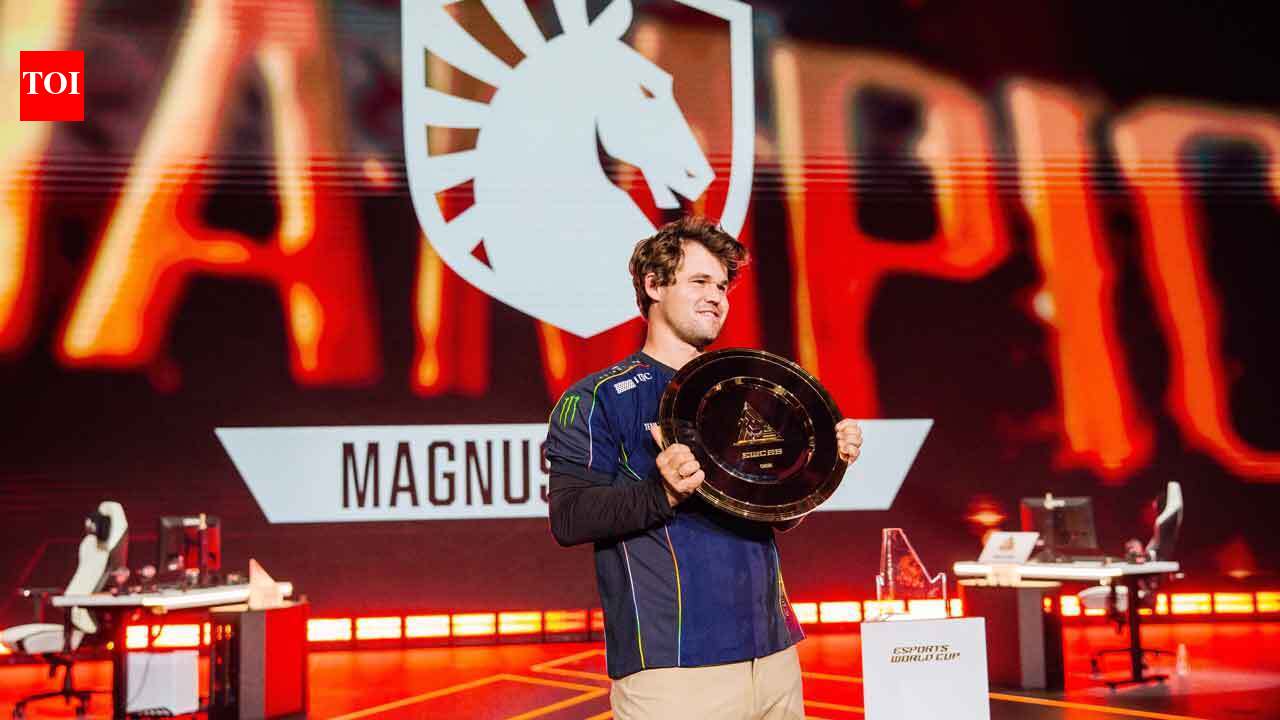
Magnus Carlsen successfully defended his Esports World Cup title in Paris by defeating Denis Lazavik without losing a single match. The event showcased the integration of chess into high-energy esports production, highlighting the rise of Indian talents like Arjun Erigaisi.
The Dominance of Magnus Carlsen at the 2026 Esports World Cup
Magnus Carlsen has once again cemented his status as the premier force in global chess by successfully defending his Esports World Cup (EWC) title in Paris. Achieving a flawless victory, Carlsen navigated both the group stages and the playoffs without suffering a single loss. His commanding performance in the final against 19-year-old Belarusian GrandMaster Denis Lazavik—securing back-to-back 3-1 set victories while representing Team Liquid—serves as a testament to his unparalleled consistency and strategic adaptability in high-pressure environments.
The Evolution of Chess as an Esports Spectacle
The 2026 EWC in Paris represented a significant shift in how competitive chess is presented to global audiences. By utilizing giant screens, live crowds, high-energy music, and professional esports-style production, the event transformed the traditional, quiet atmosphere of chess into a vibrant, modern spectacle. This "arena treatment" acknowledges the desires of the massive online chess community, effectively bridging the gap between historical board-game traditions and the modern digital entertainment landscape.
Strategic Insights and Player Preparation
Carlsen’s victory was not merely a result of raw talent but of meticulous preparation. He noted his specific approach to the tournament, which involved analyzing his opponents' tendencies, such as those of Hikaru Nakamura. Carlsen’s critique of Nakamura’s defensive endgame play highlights the analytical depth required to dominate in this format. By understanding the mechanical and psychological weaknesses of his peers, Carlsen was able to maintain his composure and strategic superiority throughout the event.
The Rise of Indian Chess Talent
The tournament also served as a stage for the next generation of global chess stars, particularly from India. Arjun Erigaisi and Nihal Sarin demonstrated their world-class capabilities by reaching the top eight. Erigaisi, who has recently joined the elite ranks by surpassing a 2800 Elo rating—a feat previously achieved only by the legendary Viswanathan Anand—continues to prove that he is a formidable challenger. Despite his candor regarding the mental challenges of high-stakes finishes, his presence among the top eight reinforces India's growing influence in the sport.
Implications for the Future of Professional Chess
The EWC’s success suggests a transformative trend for the future of competitive chess. By focusing on professional career building and integrating technology that makes the game more accessible and engaging, the organizers are effectively changing the spectator experience. As chess continues to adapt to the esports model, we can expect to see more players like Erigaisi, Gukesh, and Praggnanandhaa competing on these louder, tech-driven stages, potentially ushering in a new era where chess is as much an entertainment industry as it is a tactical sport.
Conclusion
Magnus Carlsen’s undefeated title defense serves as both a celebration of individual excellence and a marker for the sport's evolution. With the convergence of traditional grandmaster skills and the high-production values of the esports world, the game is finding new ways to captivate a modern audience. As the sport moves forward, the combination of veteran mastery and the rise of young, aggressive talent like Arjun Erigaisi ensures that the future of chess remains both competitive and increasingly dynamic.
Multiple Citing Sources