World No. 1 Magnus Carlsen didn't show up for fast classical chess: Who is at fault?
Source Entity
JYOTIRMOY HALDER
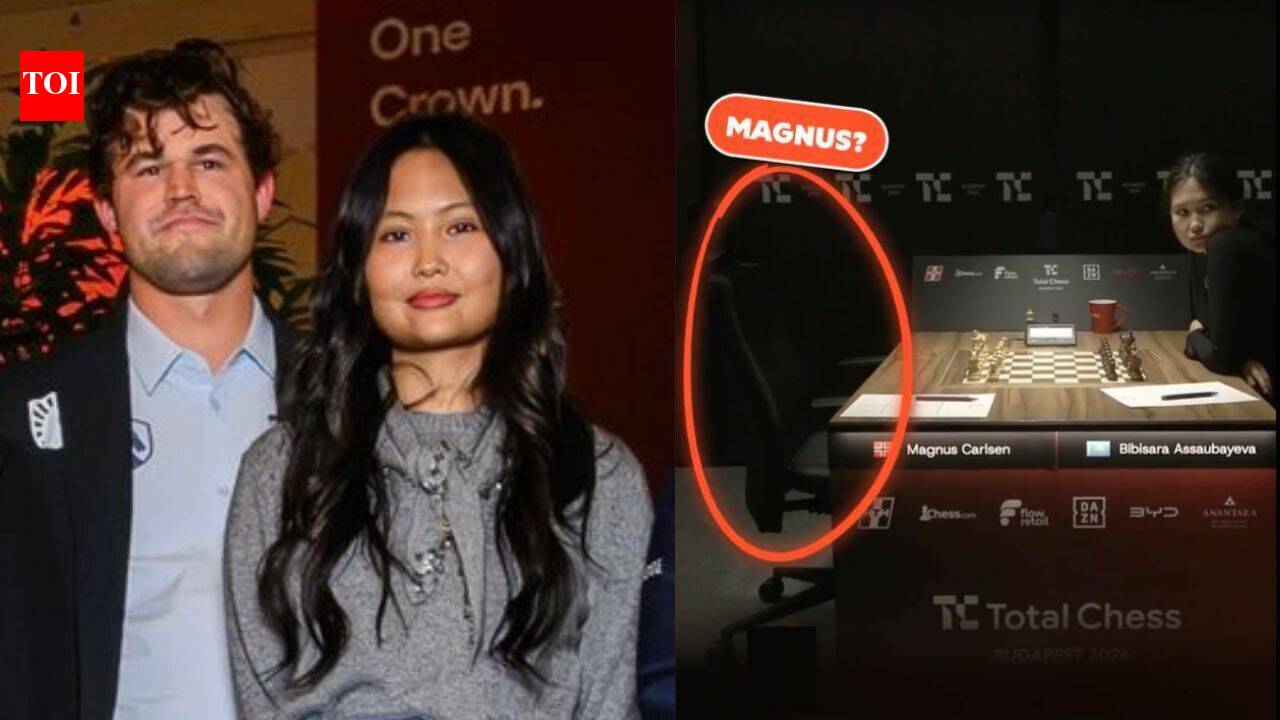
World No. 1 Magnus Carlsen sparked controversy by forfeiting a 'fast classic' game against Bibisara Assaubayeva at the Total Chess pilot event. Despite leading the match, Carlsen's absence highlights potential regulatory gaps in the tournament format ahead of its 2027 launch.
The Budapest Incident: Magnus Carlsen's Controversial Forfeit
In a move that has sent ripples through the professional chess community, World No. 1 Magnus Carlsen chose to forfeit his final 'fast classic' game against Kazakh grandmaster Bibisara Assaubayeva at the Total Chess pilot event in Budapest. Having already secured an unassailable 11.5-8.5 lead following a series of rapid and blitz encounters, Carlsen’s decision to simply not appear at the board has ignited a fierce debate regarding tournament integrity and the evolving nature of chess formats.
The Strategic Calculation Behind the Absence
The decision to forfeit appears to be rooted in the preservation of Carlsen’s world ranking. Having already shed 21.8 rating points during the pilot event, the Norwegian grandmaster is currently teetering at a rating of 2801.2. A loss or even a draw against Assaubayeva—who is rated significantly lower—would have resulted in a substantial loss of Elo points, potentially pushing Carlsen below the 2800 threshold for the first time in 17 years. By forfeiting, Carlsen effectively bypassed the risk inherent in the 'fast classic' format.
Regulatory Gaps and Tournament Integrity
This incident has exposed significant ambiguities in the rules governing the Total Chess pilot. While organizers and arbiters have maintained that no explicit rules were broken, the fact that a player can opt out of a match without severe repercussion raises questions about the definition of 'professional obligation.' As the sport prepares for the 2027 launch of the Total Chess World Championship Tour, this event serves as a cautionary tale regarding the need for robust, standardized regulations that prevent such gaps.
The Human Element and Moral Considerations
The spectacle of Assaubayeva waiting for 15 minutes at the board while her opponent remained absent has drawn criticism regarding the 'morality' of such a move. In a sport that places a high premium on tradition and respect for the opponent, Carlsen's choice to prioritize rating protection over match completion has sparked a divide in the chess community. Supporters argue it is a logical, albeit ruthless, professional maneuver, while detractors view it as a disregard for the event's stature.
Future Implications for Competitive Chess
As chess continues to experiment with hybrid formats like 'fast classic,' the industry must address how these variations interact with established rating systems. If top-tier players can manipulate their participation to mitigate rating damage, the current ranking system may prove insufficient to handle the nuances of these new formats. Moving forward, organizers will likely need to implement stricter 'show-up' mandates or modify how points are calculated for varied time controls to maintain the competitive spirit of the game.
Multiple Citing Sources