After Magnus, Rapport and Mishra too forfeit fast classic games
Source Entity
Latest News: Todays Latest News Headlines from India & World | Hindustan Times
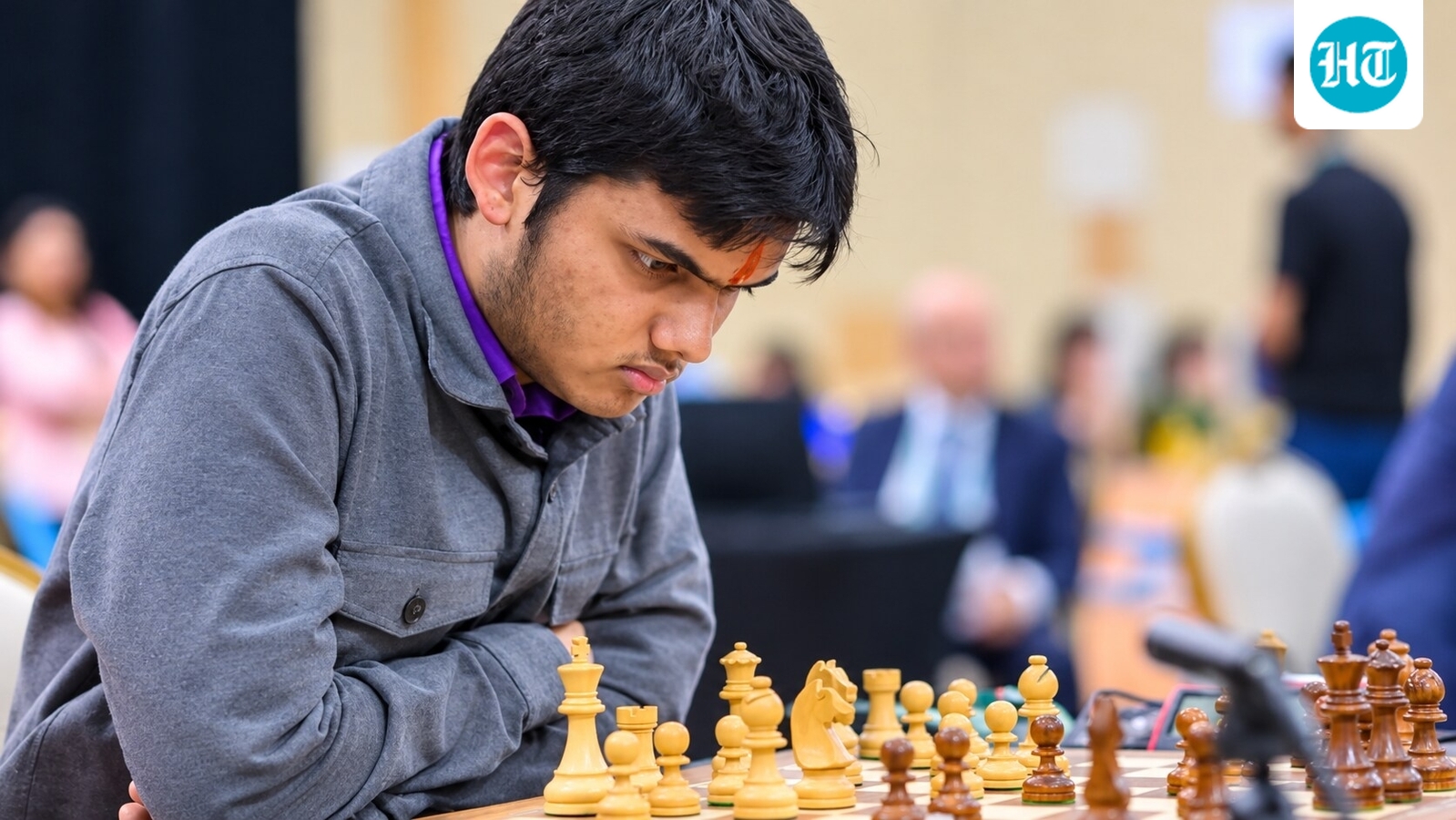
World No. 1 Magnus Carlsen sparked controversy by forfeiting a 'fast classic' game against Bibisara Assaubayeva during the Total Chess pilot event in Budapest. Despite having already secured a lead in the overall tie, his absence highlighted potential regulatory gaps in the new tournament format.
The Budapest Incident: Analyzing the Carlsen Forfeit
The recent events at the Total Chess pilot tournament in Budapest have once again thrust Magnus Carlsen into the center of a sporting controversy. During a scheduled 'fast classic' encounter against Kazakh grandmaster Bibisara Assaubayeva, the Norwegian World No. 1 simply did not appear at the board. For 15 minutes, Assaubayeva waited for her opponent, but the seat remained empty, marking an unconventional end to a session that has drawn significant scrutiny from the global chess community.
Contextualizing the Decision
Carlsen’s decision to forfeit the final game of the series appears rooted in a strategic calculation regarding his FIDE rating. Entering the event, Carlsen has already seen his rating slip by 21.8 points, leaving him teetering on the edge of the 2800-rating threshold—a psychological and statistical benchmark he has maintained for 17 years. With an unassailable 11.5-8.5 lead in the tie, Carlsen opted to avoid the risks associated with playing a lower-rated opponent in the 'fast classic' format, where a draw or loss would have further eroded his standings.
Regulatory Ambiguity and Tournament Design
The incident has exposed potential vulnerabilities in the regulations of the Total Chess pilot event. While organizers and arbiters have stated that no formal rules were breached during the forfeit, the occurrence has raised questions regarding the professional obligations of players in experimental formats. As the sport moves toward the anticipated 2027 launch of the Total Chess World Championship Tour, this incident serves as a stress test for tournament organizers who must balance player autonomy with the integrity of the competitive spectacle.
The Moral and Professional Debate
Beyond the raw statistics, the forfeit has ignited a debate regarding the 'morality' of player participation. Critics argue that even in exhibition or pilot events, the world's highest-ranked player has a tacit obligation to fulfill scheduled fixtures to maintain the credibility of the competition. Proponents of Carlsen’s move, however, emphasize that professional players are entitled to manage their own career trajectories, especially when tournament regulations do not strictly penalize such absences.
Looking Toward 2027
This episode is likely to influence how future formats are structured. If events like the Total Chess Tour aim to capture a wider audience, they must address the potential for 'strategic forfeits' that undermine the viewer experience. By exposing gaps in regulations, Carlsen's absence may inadvertently lead to more rigorous rule-setting, ensuring that future high-stakes matches are protected from similar disruptions.
Conclusion
Ultimately, the Budapest incident serves as a collision between individual risk management and the collective expectations of the chess world. While Carlsen remains the dominant figure in the sport, his actions highlight the intense pressure associated with maintaining a legacy rating. As the industry evolves, the lessons learned from this pilot event will be crucial for the development of modern competitive chess.
Multiple Citing Sources
Verification Required?