MAHA PAC spent more on steak, luxury club than candidates, report shows
Source Entity
Beth Mole
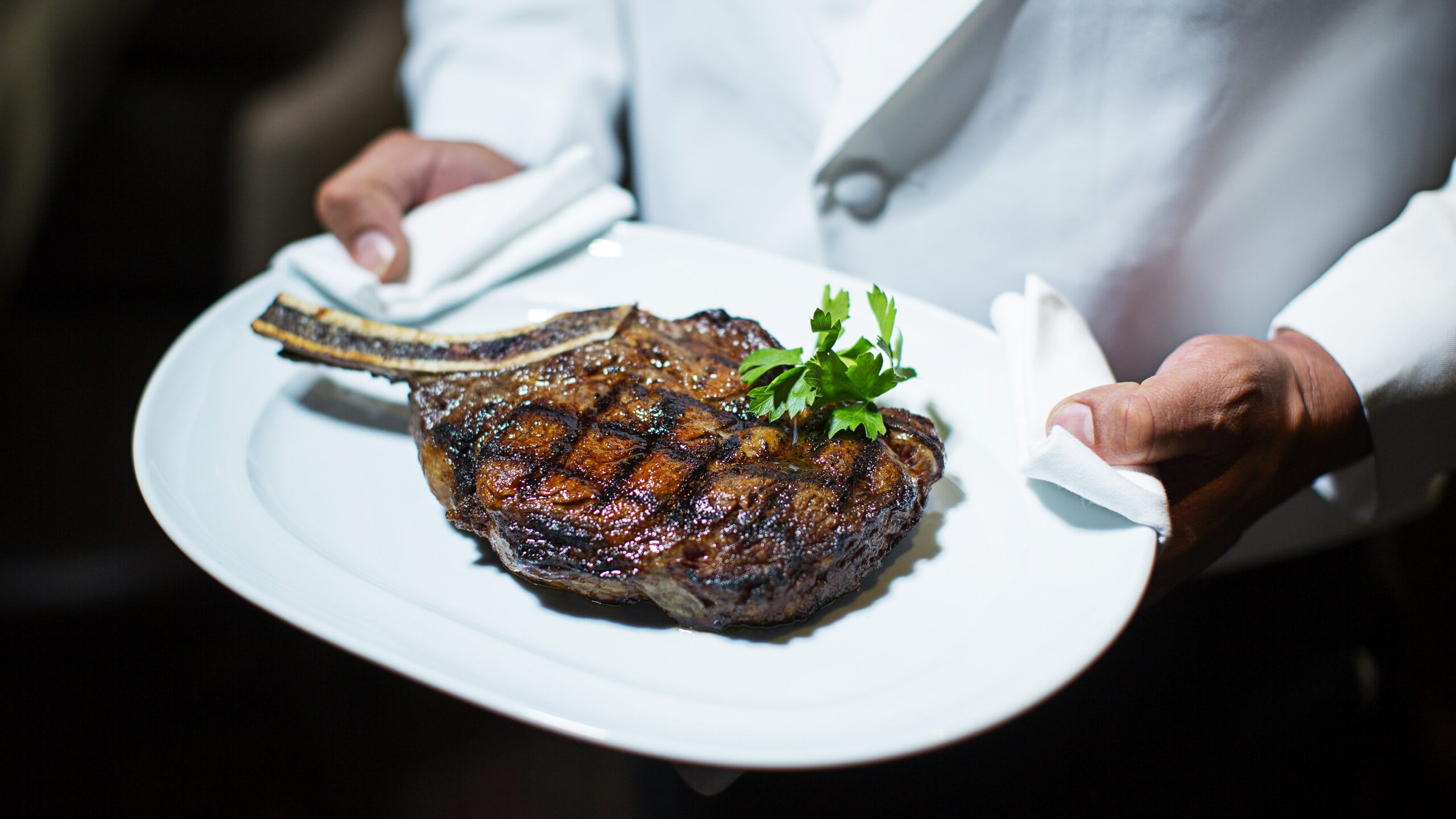
A report reveals the Make America Healthy Again (MAHA) PAC spent significantly more on luxury items and internal expenses than on supporting political candidates. Despite claims of a massive $100 million fundraising goal, the PAC raised only $3.2 million and prioritized personal expenditures over electoral goals.
Financial Misalignment in the MAHA PAC
Recent financial disclosures have cast a long shadow over the Make America Healthy Again (MAHA) movement following its disappointing performance during the midterm elections. While leadership initially attributed these electoral losses to being outspent by wealthier adversaries, a detailed investigation by Stat has unveiled a troubling discrepancy in how the organization utilized its resources. Rather than funneling capital into competitive races, the MAHA PAC appears to have prioritized internal expenditures that hold little relevance to traditional campaign infrastructure.
The Disconnect Between Fundraising and Spending
At the start of the election cycle, MAHA PAC leader Tony Lyons publicly announced an ambitious $100 million fundraising target, framing the initiative as a major effort to cement the movement's political influence. However, the financial reality was far more modest, with the PAC ultimately raising only $3.2 million. More concerning than the shortfall in fundraising is the allocation of these funds. Financial filings indicate that the organization spent more on meals, luxury club memberships, and payments to internal allies and affiliated nonprofits than on the actual political candidates it claimed to support.
An Unusual Pattern of Expenditure
Financial experts have characterized this spending pattern as "pretty unusual" for a political action committee. Typically, PACs are designed to function as conduits for electoral victory, directing the vast majority of their resources toward advertising, get-out-the-vote efforts, and direct support for candidates. The MAHA PAC’s decision to prioritize luxury spending and transfers to affiliated nonprofits suggests a fundamental misalignment with the stated goal of winning elections, raising questions about the organization's true priorities during the midterms.
Implications for Political Accountability
This case highlights the growing importance of transparency in political finance. When a PAC claims to represent a grassroots movement but instead directs funds toward personal luxuries and internal boosters, it erodes the trust of donors who believe their contributions are fueling substantive political change. The disparity between the leadership's public narrative of being "outspent" and the internal evidence of inefficient, non-electoral spending suggests that the movement's failure may have been more about internal management than external financial pressure.
Future Outlook and Regulatory Scrutiny
Looking forward, this revelation will likely invite increased scrutiny from donors and potentially regulatory bodies regarding how PAC funds are audited and disclosed. As movements like MAHA attempt to navigate the complex landscape of American politics, the ability to demonstrate fiscal responsibility and a clear focus on electoral outcomes will be essential for long-term viability. The MAHA PAC's current situation serves as a cautionary tale for donors and organizers alike regarding the necessity of rigorous financial oversight in political organizations.