Commerce approved sales of more than 879,000 AI chips to Chinese companies, Rep. Mast says
Source Entity
US Top News and Analysis
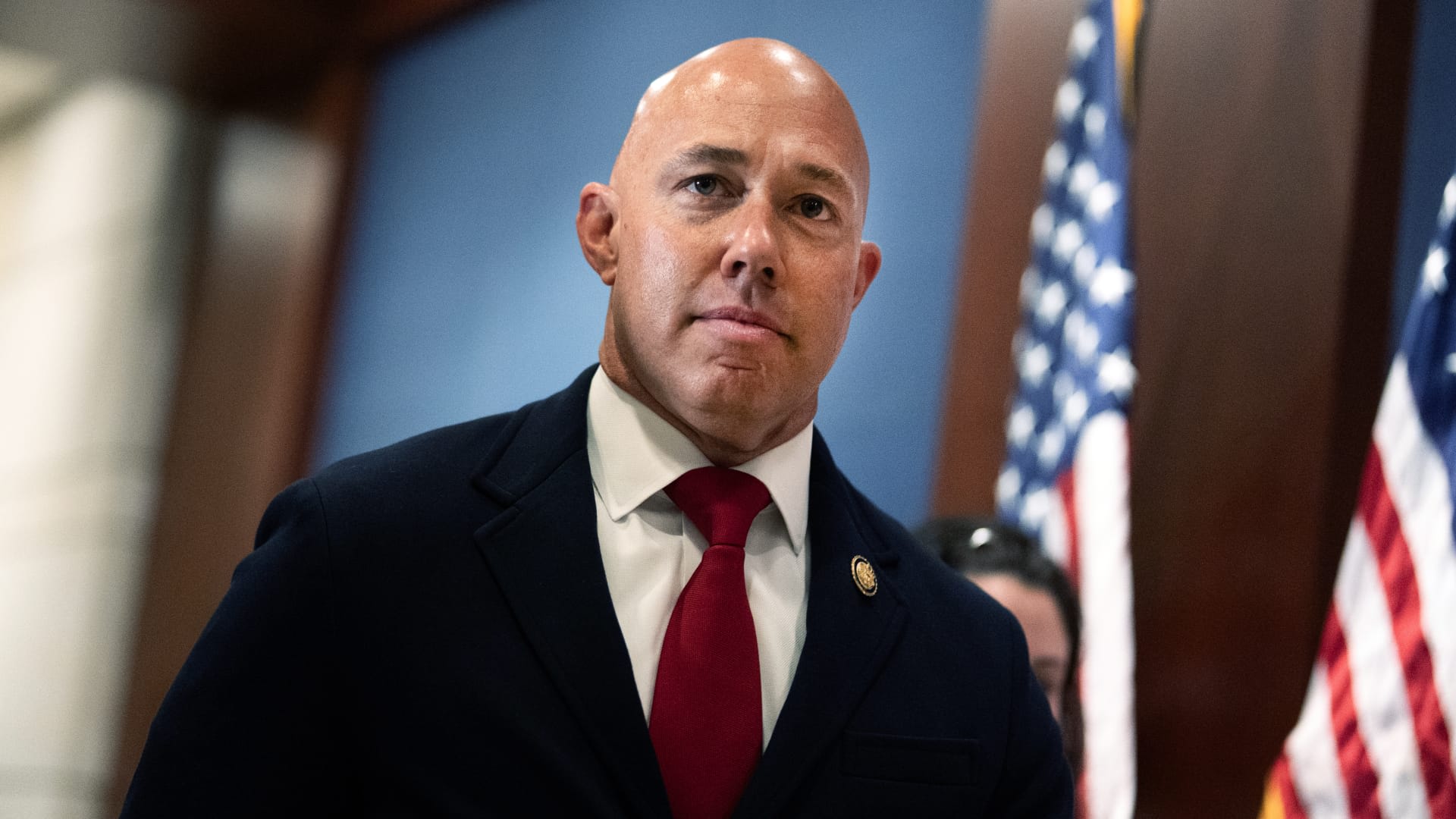
The House Foreign Affairs Committee revealed that the Trump administration approved nearly 900,000 AI chip shipments to Chinese firms, including those with military ties. The massive export volume to companies like Alibaba and Tencent has triggered urgent calls for stricter U.S. export control legislation.
U.S. Export Controls Under Scrutiny Following Massive Chip Approvals
Recent disclosures from the House Foreign Affairs Committee have ignited a firestorm in Washington, revealing that the U.S. government approved the shipment of 879,868 AI chips from industry giants Nvidia and AMD to Chinese entities as of May 2026. This substantial volume of high-end technology exports, facilitated by the Bureau of Industry and Security, has drawn sharp criticism from lawmakers who argue that the administration’s oversight has compromised national security and the American technological edge.
The Scope of the Export Approvals
The data highlights a massive scale of trade, with 3.4 million requested sales of U.S. AI chips to China reported by the committee. Among the approved shipments were highly sensitive products, specifically Nvidia’s advanced H200 chips and their AMD equivalents. These exports were funneled through 21 distinct license applications, granting significant computing power to major Chinese tech conglomerates, including Tencent and its subsidiaries—which were approved for 150,000 units—and Alibaba, which received clearance for 75,000 units.
National Security and Military Links
Perhaps the most contentious aspect of these findings is that some of the approved shipments were destined for companies explicitly designated by the U.S. Department of Defense as "Chinese Military Companies." The revelation that sensitive AI hardware, capable of powering advanced machine learning and defense-related computation, has reached firms with direct links to the Chinese military has sparked significant alarm. Critics contend that these approvals directly contradict efforts to contain China’s rapid technological advancement in artificial intelligence.
Industry Response and Regulatory Defense
In the wake of these revelations, both Nvidia and AMD have defended their actions. Nvidia stated that its internal licensing review processes are thorough, while AMD affirmed its strict adherence to U.S. export control laws during the evaluation period. Despite these assurances, the companies find themselves at the center of a growing legislative debate regarding the effectiveness of existing export control frameworks and the criteria used to approve or deny technology transfers.
Legislative Fallout and Future Trends
This incident has catalyzed a renewed push within Congress to tighten export controls. Lawmakers, including Representative Mast, have voiced intense criticism regarding the administration's handling of these shipments, suggesting that the current policies are insufficient to protect American interests. The pressure is mounting for a legislative overhaul that would likely restrict the Bureau of Industry and Security’s discretion, aiming to prevent future exports of high-end AI hardware to entities that pose a threat to the U.S. geopolitical position.
Conclusion
The revelation of these nearly 900,000 chip shipments marks a critical juncture in the U.S.-China technology war. As Congress moves to address the perceived regulatory failures, the incident underscores the difficulty of balancing corporate interests with national security in the age of AI. Moving forward, stakeholders should expect a more restrictive export environment and increased scrutiny of any technology transfers to Chinese firms, particularly those associated with the defense sector.