Massive FDA crackdown: 2,000 litres of adulterated milk, 320 kg basundi, ice cream destroyed
Source Entity
The Indian Express
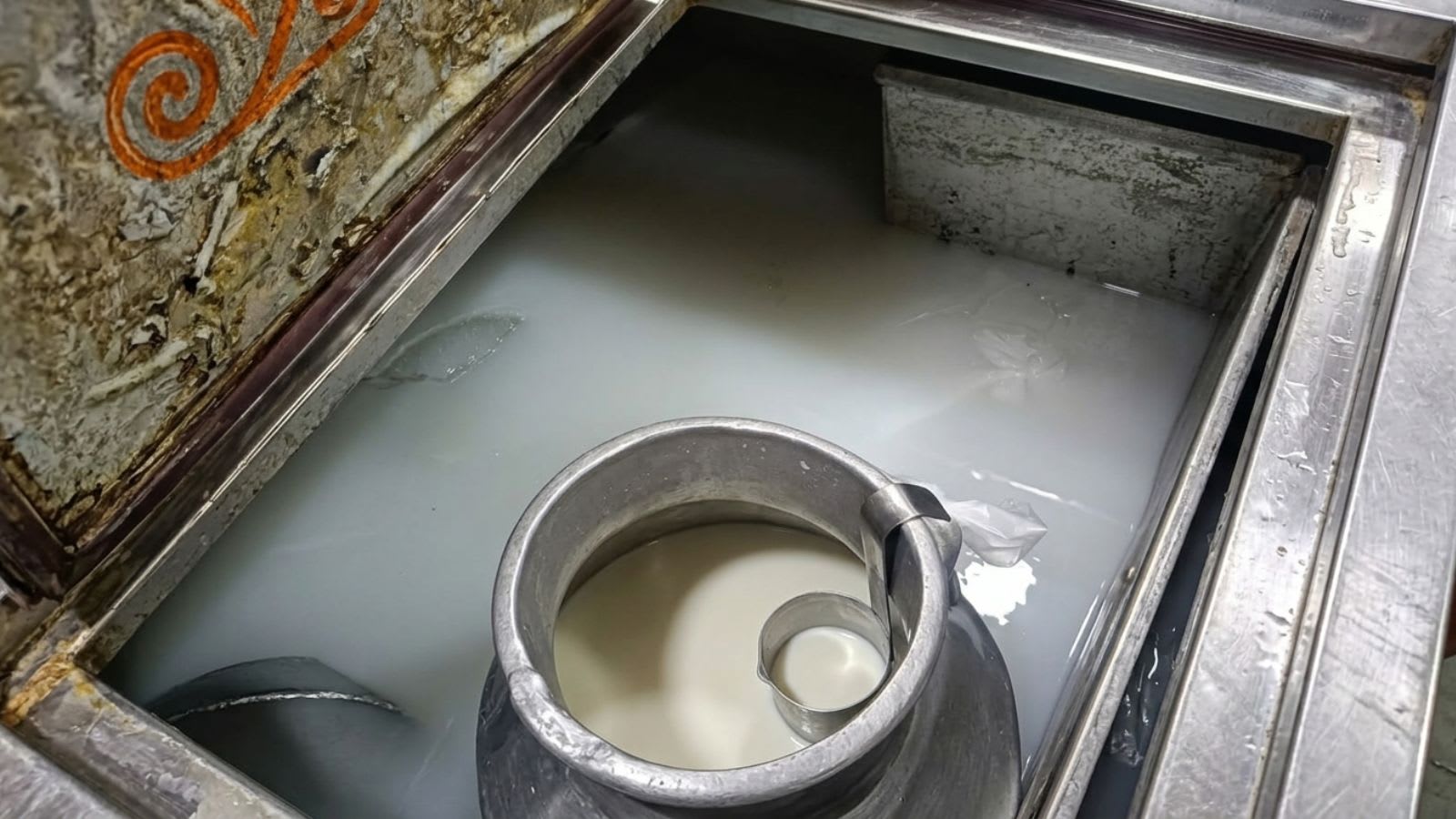
The FDA officials destroyed 238 litres of suspected adulterated buffalo milk that was being transported for sale. (Express photo) The Maharashtra Food and Drug Administration (FDA) on Thursday, July ...
Safeguarding Public Health: Analysis of the Maharashtra FDA Dairy Crackdown
In a decisive move to curb the proliferation of unsafe food products, the Maharashtra Food and Drug Administration (FDA) recently conducted a large-scale enforcement operation targeting the dairy sector. The crackdown resulted in the seizure and subsequent destruction of 2,000 litres of adulterated milk and 320 kg of processed dairy products, including basundi and ice cream. This operation underscores the persistent challenge of food adulteration in densely populated urban and semi-urban regions of Maharashtra, where the demand for dairy often exceeds the supply of high-quality, pure produce.
The Scale and Nature of the Violation
The volume of the seized materials—specifically the 2,000 litres of milk and over 300 kg of sweets—indicates a systemic attempt to distribute contaminated goods on a commercial scale. The destruction of 238 litres of suspected buffalo milk during the transport phase suggests that the FDA is now focusing on the supply chain rather than just the retail point of sale. By intercepting these goods during transit, the FDA prevents the adulterated products from entering the local market, thereby mitigating the risk of widespread consumption and subsequent health crises.
Public Health Implications of Dairy Adulteration
Dairy adulteration is a critical public health concern because milk is a primary nutritional source for children and the elderly. Common adulterants used to increase volume or shelf life—such as urea, detergents, starch, or synthetic thickeners—can lead to severe gastrointestinal issues, kidney damage, and long-term metabolic disorders. The inclusion of basundi and ice cream in this crackdown is particularly noteworthy, as these processed desserts often hide adulterants more effectively than liquid milk, making them a preferred vehicle for unscrupulous vendors to maximize profit margins at the expense of consumer safety.
Regulatory Framework and Enforcement Challenges
This action reflects the broader mandate of the Food Safety and Standards Authority of India (FSSAI) and its state-level implementation through the Maharashtra FDA. The challenge for regulators lies in the fragmented nature of the dairy industry, which consists of thousands of small-scale producers and distributors. Regular raids and the public destruction of adulterated goods serve as a psychological deterrent to other vendors. However, the fact that such large quantities are still being transported suggests a need for more rigorous, real-time testing kits at checkpoints to identify contaminants before they reach the consumer.
Economic Impact and Market Distortion
Beyond the health risks, dairy adulteration constitutes a significant economic crime. By flooding the market with cheap, adulterated milk, dishonest operators undercut honest farmers and cooperatives who adhere to strict quality standards. This creates a market distortion where quality is penalized and fraud is rewarded. The FDA's intervention helps restore market equilibrium by removing substandard products, thereby protecting the livelihoods of legitimate dairy producers who invest in hygienic milking and processing infrastructure.
Future Trends in Food Safety Monitoring
Looking forward, it is likely that the Maharashtra FDA will increase its reliance on technology to combat this trend. The integration of blockchain for traceability—from the farm to the table—could potentially eliminate the anonymity that allows adulterated milk to enter the supply chain. Additionally, increased consumer awareness campaigns and the provision of simple home-testing kits for milk purity could empower the public to act as a first line of defense, complementing the government's regulatory efforts.
Conclusion
The destruction of 2,000 litres of milk and 320 kg of dairy sweets is a significant victory for food safety in Maharashtra. While the immediate goal was the removal of hazardous substances from the market, the broader implication is a clear warning to the dairy industry: regulatory bodies are intensifying their surveillance. To ensure long-term food security, this crackdown must be followed by sustained monitoring and a systemic overhaul of the dairy supply chain to prioritize transparency and public health over profit.