After Cockroaches In Mumbai, Rat Found In Blinkit Ice Cream Freezer In Thane
Source Entity
NDTV News Search Records Found 1000
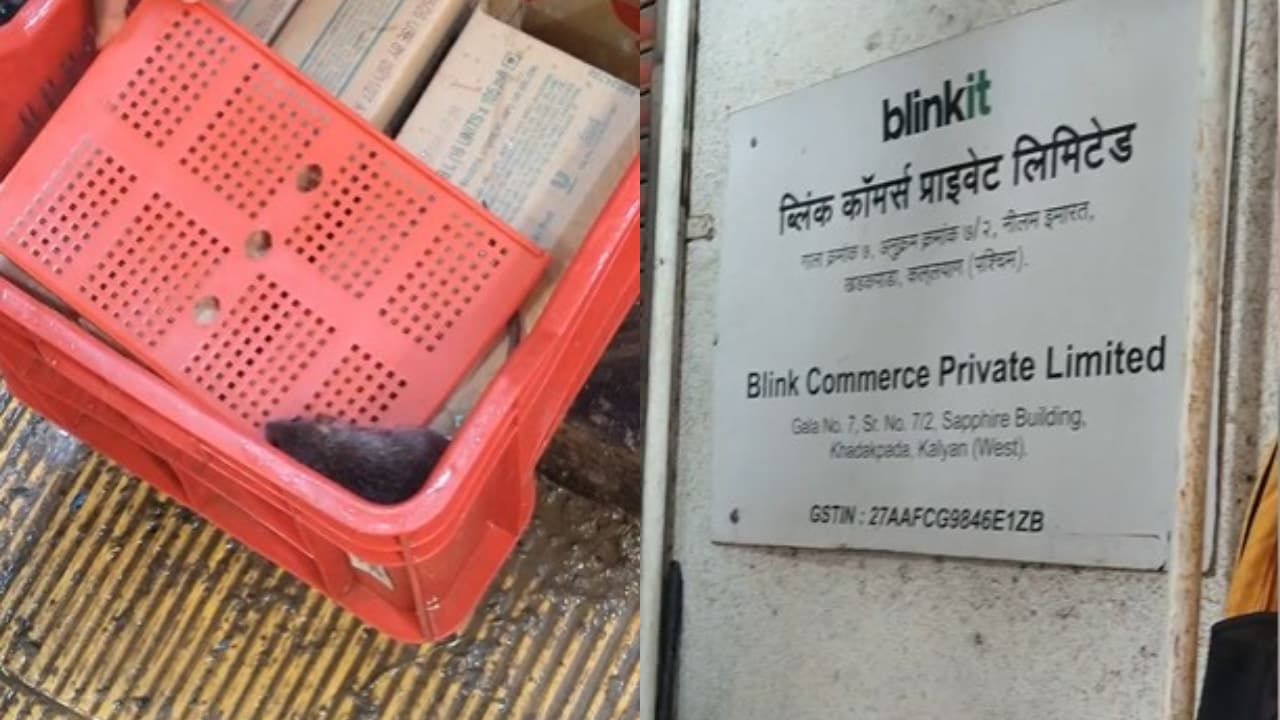
Maharashtra FDA has launched a crackdown on food safety violations following a viral video of a rat in a Blinkit freezer and the discovery of expired products at a Parle Agro warehouse. Authorities are intensifying inspections across quick-commerce hubs and food businesses to enforce hygiene standards.
Food Safety Crisis: Maharashtra FDA Intensifies Crackdown
Recent reports from Maharashtra have highlighted significant lapses in food safety standards, ranging from unhygienic storage conditions at quick-commerce facilities to the discovery of expired stock at major distribution centers. The most concerning incident involves a viral video from a Blinkit facility in Kalyan’s Godrej Hill area, which depicts a rat scurrying inside an ice cream storage crate. This incident has sparked immediate public outrage, with local residents demanding that the Food and Drug Administration (FDA) and municipal authorities conduct rigorous inspections to ensure the safety of the food supply chain.
Systemic Failures in Quick-Commerce Storage
The presence of vermin in a facility dedicated to the storage of perishable goods like ice cream points to severe failures in pest control and infrastructure maintenance. According to FDA findings, the Kalyan hub lacked basic insect and rodent control measures, and waste management practices were found to be critically inadequate. Furthermore, the absence of health documentation and medical examination records for food handlers suggests a lack of oversight that could pose significant health risks to the consumer base relying on these platforms for daily essentials.
Expanding FDA Enforcement
This incident is not an isolated case but rather part of a broader, aggressive campaign led by the Maharashtra FDA under Commissioner Tukaram Mundhe, who assumed office in May 2025. The FDA has expanded its scope of inspections beyond traditional brick-and-mortar restaurants and hotels to include online food platforms and modern delivery hubs. The agency’s proactive stance is reflected in their recent statistics: as of August 13, officials had inspected 109 establishments, issued 49 improvement notices, and suspended four food-business licenses across the state.
The Parle Agro Incident
Parallel to the issues in the quick-commerce sector, the FDA has taken decisive action against major manufacturers. The license of M/s Parle Agro was suspended after authorities discovered expired stocks of popular beverages—Frooti, Appy, and Apple Fizz—at a Velocity Express Warehouse in Chembur. The seizure of nearly ₹1 lakh worth of expired goods serves as a stark reminder that even well-established brands are subject to the same stringent safety regulations as smaller retailers, particularly regarding the integrity of their supply chains and storage conditions.
Broader Implications and Future Trends
These events underscore a critical turning point for the food industry in India. As quick-commerce becomes an integral part of urban life, the logistical challenges of maintaining cold-chain integrity and hygiene in high-speed, high-volume delivery hubs are coming under intense scrutiny. Consumers are increasingly aware of their rights and are utilizing social media to demand accountability, forcing regulators to adopt more transparent and frequent inspection cycles.
Conclusion: A New Era of Accountability
The ongoing crackdown suggests that the era of lax oversight for food-tech and distribution companies is coming to an end. The FDA’s commitment to statewide enforcement signals that businesses—regardless of their size or business model—must prioritize sanitation, worker health documentation, and inventory management. Moving forward, the industry can expect even stricter compliance requirements, as regulatory bodies move to restore public trust in the safety of the food distribution ecosystem.
Verification Required?