Man's Crowdfunding Drive For Sister's Surgery Went Viral. She Doesn't Exist
Source Entity
NDTV News Search Records Found 1000
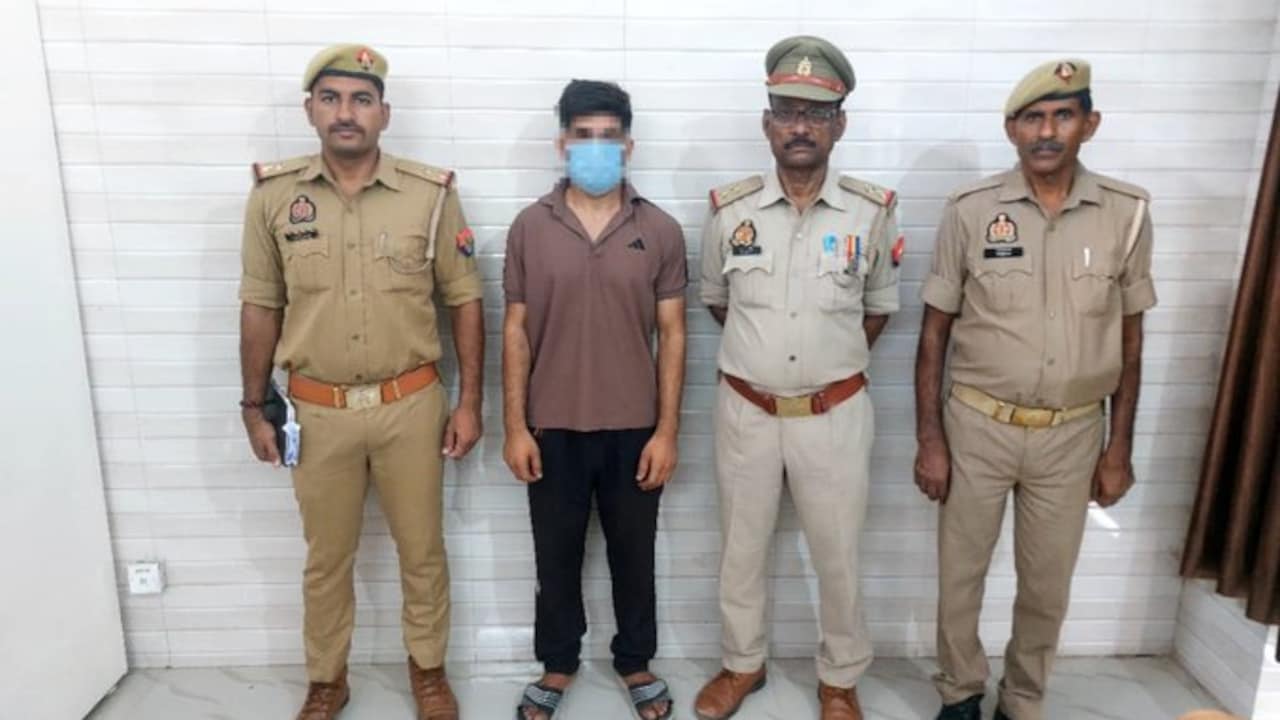
A viral crowdfunding campaign for a non-existent sister has been exposed as a fraudulent scheme. The incident highlights the growing risks of online financial scams and the need for rigorous platform verification.
The Anatomy of a Digital Deception
The recent revelation that a viral crowdfunding campaign was organized to fund the surgery of a non-existent sister serves as a stark reminder of the vulnerabilities inherent in modern digital altruism. While crowdfunding platforms have democratized access to medical funding, they have also created a fertile ground for bad actors to exploit the empathy of strangers. By leveraging the emotional weight of a medical crisis, the perpetrator was able to solicit small, frequent donations that collectively reached a significant audience, ultimately proving that emotional manipulation remains a powerful tool in online fraud.
The Mechanics of Viral Fraud
Social media algorithms are designed to prioritize content that evokes strong emotional responses. In this case, the narrative of a sibling in need acted as a powerful hook, causing the campaign to spread rapidly across various networks. Because the requested donation amounts were small, the barrier to entry for potential donors was low, fostering a sense of low-risk charity. This strategy relied on the 'bystander effect' being mitigated by the perception of a personal, urgent, and relatable human tragedy, effectively bypassing the natural skepticism many donors might apply to larger, institutional charities.
Challenges in Platform Verification
This incident highlights a systemic weakness in how crowdfunding platforms verify the authenticity of their campaigns. Many platforms prioritize ease of use and rapid deployment of funds, often relying on user-reported flags rather than proactive, identity-verified onboarding. When the 'patient' does not exist, the lack of medical documentation or verifiable hospital billing creates a vacuum of accountability. The ease with which a fabricated persona can be projected into the digital space suggests that current trust-and-safety mechanisms are struggling to keep pace with the sophistication of online scammers.
Broader Implications for Digital Trust
Beyond the immediate financial loss, such incidents inflict long-term damage on the credibility of genuine charitable efforts. When donors feel betrayed by a fraudulent campaign, they become more cynical toward legitimate medical appeals, potentially withholding support from those in genuine need. This 'chilling effect' on digital philanthropy is a significant concern for the nonprofit sector, which increasingly relies on social media to bridge funding gaps in healthcare and emergency relief.
Future Trends and Mitigation Strategies
Moving forward, the crowdfunding industry must likely transition toward more stringent verification protocols, such as mandatory third-party verification for medical claims or deeper integration with hospital systems. As AI-generated content becomes more prevalent, the ability to 'deepfake' medical records or social media personas will only increase, necessitating a move toward decentralized identity verification or blockchain-based transparency. Ultimately, the burden of verification may soon shift from the donor to the platform, requiring a fundamental redesign of how crowdfunding initiatives are launched and monitored in the public sphere.
Verification Required?