'Act of terror’: Pregnant woman among four killed in attacks on Kuki villages in Manipur
Source Entity
KANGKAN KALITA
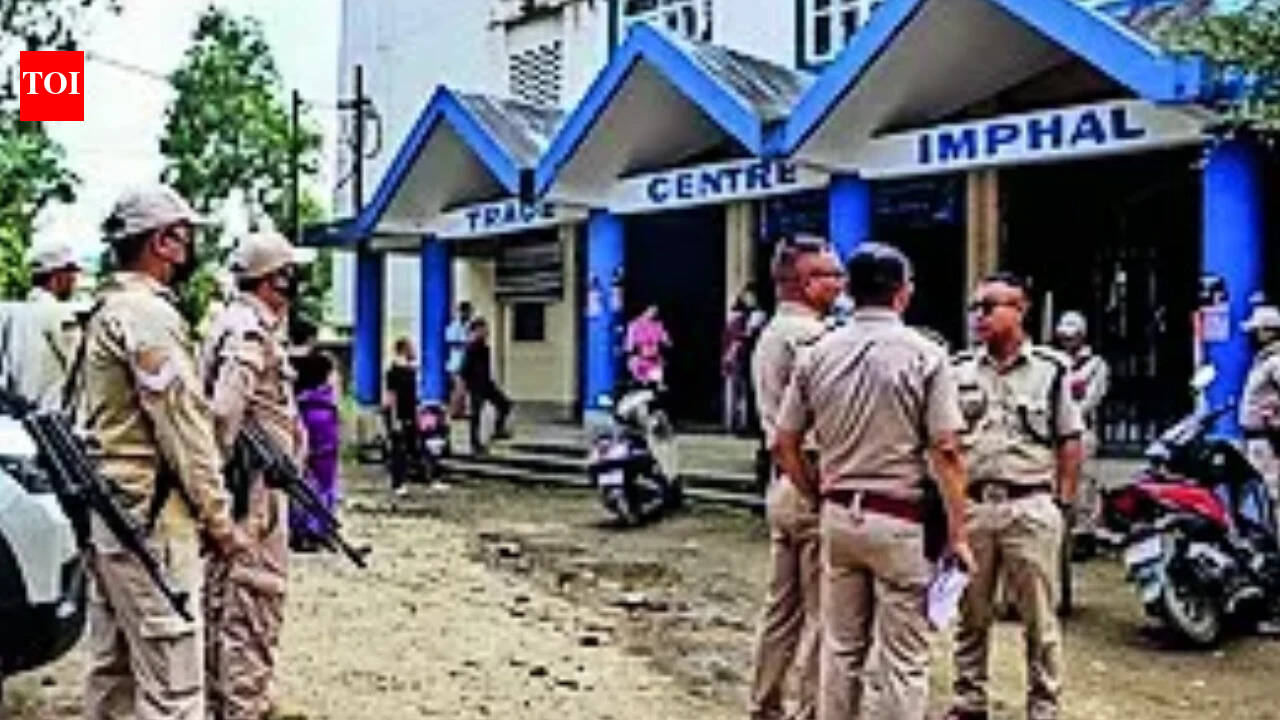
Violence in Manipur has resulted in the deaths of four individuals, including a pregnant woman, during attacks on Kuki villages. These incidents mark a significant escalation in the ongoing ethnic conflict in the region.
Escalating Violence in Manipur: A Critical Situation
Recent reports confirm a devastating escalation of ethnic violence in Manipur, where an attack on Kuki villages has resulted in the deaths of four individuals, including a pregnant woman. This tragic event underscores the volatile security environment that has plagued the region, characterized by deep-seated communal tensions and recurring cycles of violence that have displaced thousands.
The Human Cost of Ethnic Conflict
The targeted nature of these attacks on Kuki villages highlights the vulnerability of civilian populations caught in the crossfire of this protracted conflict. The death of a pregnant woman is particularly harrowing, serving as a grim indicator of the disregard for human life and the total breakdown of societal order in affected pockets of the state. Such incidents exacerbate the trauma of communities already struggling with limited access to resources and protection.
Historical Context and Regional Instability
Manipur has long been defined by a complex interplay of ethnic identities and land disputes. The current unrest is rooted in historical grievances between different ethnic groups, which have been reignited by contemporary political and socio-economic pressures. The inability of state and central security apparatuses to fully stabilize the region has allowed these skirmishes to persist, turning once-peaceful villages into frontline zones.
Broader Implications for Governance
The persistent nature of these attacks presents a severe challenge to the rule of law. When state institutions fail to prevent violence against vulnerable groups, it undermines public trust and complicates any potential for a sustainable peace process. The recurring headlines of death and destruction indicate that current containment strategies may be insufficient, necessitating a more comprehensive approach to conflict resolution and communal reconciliation.
Future Trends and Outlook
Looking ahead, the situation remains precarious. Without a concerted effort to address the underlying causes of the strife—namely, the disputes over land rights and the protection of minority communities—the risk of further escalation remains high. The international and national community will be watching closely to see if authorities can curb this violence and prevent further loss of life in the coming months.