The GDR and Vietnam: From Fake Coffee to Coffee Empire
Source Entity
Hacker News
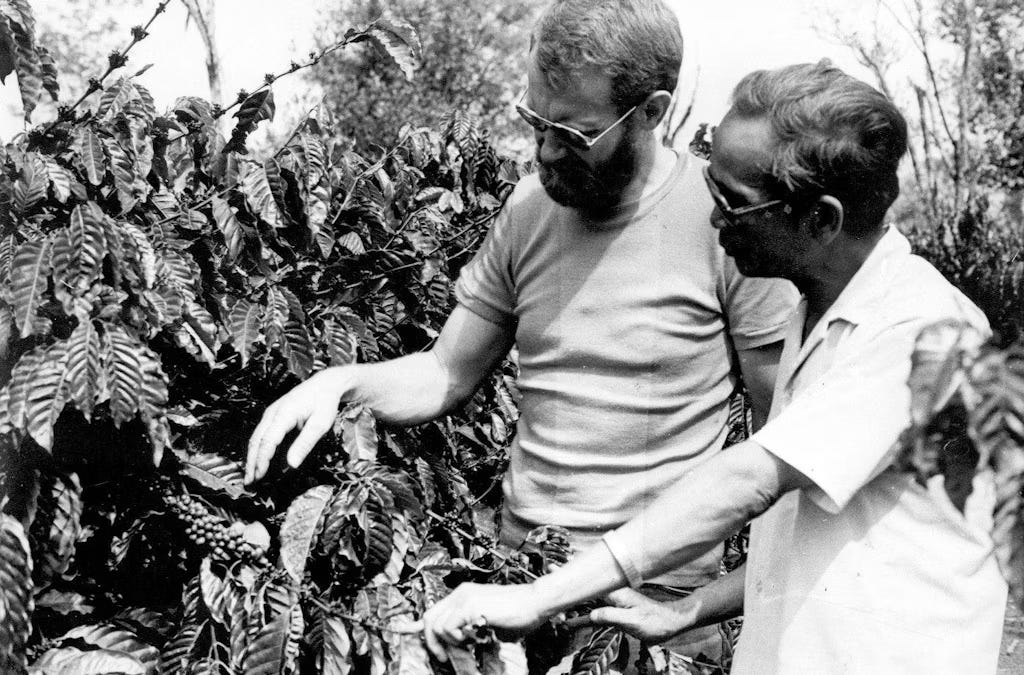
This report examines the historical collaboration between East Germany and Vietnam in the coffee industry. It highlights the transition from socialist agricultural partnerships to Vietnam's rise as a global coffee powerhouse.
The East German-Vietnamese Coffee Legacy
A Historical Alliance of Necessity
During the 1980s, the German Democratic Republic (GDR) faced chronic shortages of consumer goods, including high-quality coffee. To address this, the GDR entered into a unique state-sponsored agreement with Vietnam, which was then struggling to rebuild its agrarian economy following years of conflict. This partnership, exemplified by the work of East German agrarian engineer Hellmut Naderer and the 'Viet Duc' coffee collective, served as a blueprint for socialist economic integration. By providing technical expertise and infrastructure, the GDR hoped to secure a steady supply of beans, effectively outsourcing production to satisfy domestic demand.
The Mechanics of the Partnership
The collaboration was not merely a trade deal but a comprehensive agricultural project. Agrarian engineers like Naderer were tasked with modernizing cultivation methods in Vietnam to meet international standards. This era of cooperation highlights the often-overlooked influence of East German technical aid in Southeast Asia. While the GDR sought to mitigate the 'fake coffee' crisis—a term used for the subpar coffee substitutes prevalent in East Germany at the time—they were simultaneously laying the groundwork for a massive shift in global agricultural patterns.
Vietnam's Rise to Global Prominence
What began as a localized attempt to solve a GDR supply chain issue inadvertently accelerated Vietnam's trajectory toward becoming a global coffee titan. The infrastructure projects initiated in the mid-1980s provided the foundational knowledge for Vietnamese farmers to eventually scale production to industrial levels. Today, Vietnam stands as the second-largest coffee producer in the world, a direct evolution from those early, state-managed collective efforts that prioritized yield and export capacity.
Implications of Transnational Cooperation
This historical case study illustrates the long-term impact of bilateral development aid. Even as the political structures of the GDR collapsed, the agricultural systems implemented in Vietnam persisted, demonstrating how resource-sharing agreements can have a generational influence on a nation's economy. The transition from a socialist-led collective to a competitive global player reflects the broader shift in how emerging economies utilized cold-war era partnerships to integrate into the global market.
Historical Reflection and Legacy
Modern audiences often view the GDR-Vietnam connection through the lens of political history, yet its most enduring legacy is found in the coffee cup. The transition from the 'fake coffee' era of the 1980s to the industrial-scale production seen today serves as a reminder of how interconnected global commerce has always been. By examining the archives—such as the images of Naderer and the Viet Duc collective—we gain insight into the collaborative spirit that transformed Vietnam into an essential node in the global coffee supply chain.