Central Vista should be called Kartavya Bhawan area: Union Minister Manohar Lal
Source Entity
The Indian Express
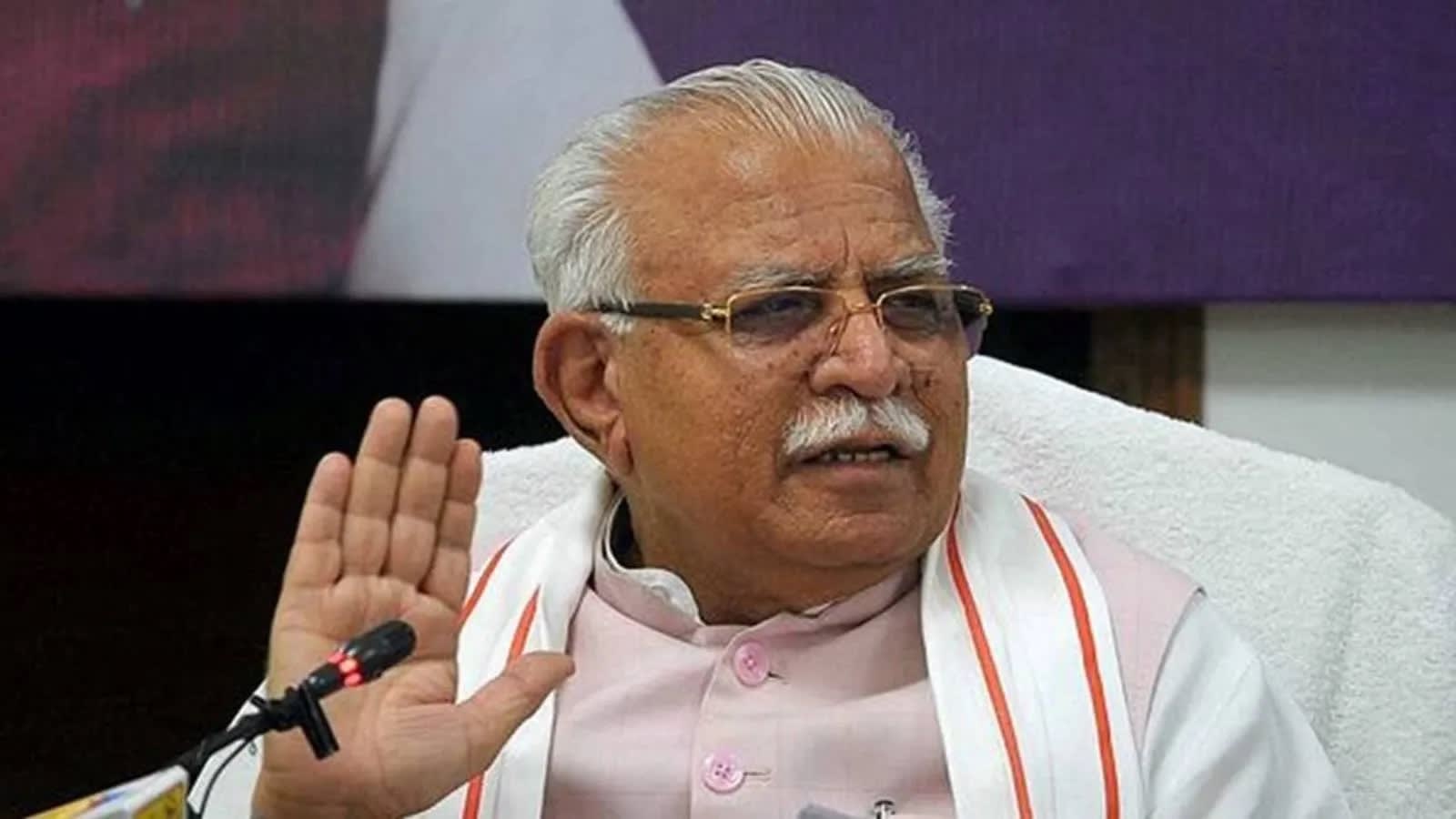
UNION MINISTER for Housing and Urban Affairs Manohar Lal on Sunday said the Central Vista area, which covers the stretch from Rashtrapati Bhawan to India Gate, should now be called the “Kartavya Bhawa...
The Shift from Vista to Duty: Analyzing the Proposed Renaming of Central Vista
Union Minister for Housing and Urban Affairs, Manohar Lal, has proposed a significant symbolic shift in the nomenclature of India's administrative heart. By suggesting that the 'Central Vista' area—the iconic stretch spanning from the Rashtrapati Bhawan to India Gate—be renamed the 'Kartavya Bhawan area,' the government is signaling a transition from a focus on aesthetic grandeur to a focus on civic and governmental responsibility. This proposal comes at a time when the Indian government is actively redefining the identity of its capital's central axis to align with a more indigenous and duty-oriented ethos.
The Symbolism of 'Kartavya' and the Ideological Pivot
The term 'Kartavya' translates to 'duty' or 'obligation.' The shift from 'Vista'—a word describing a pleasing view or a long-term perspective—to 'Kartavya' represents a pivot in the narrative of the space. While a 'vista' is something to be observed, 'kartavya' is something to be performed. This is not an isolated suggestion but follows the precedent set by the renaming of 'Rajpath' (King's Way) to 'Kartavya Path' (Path of Duty). By extending this naming convention to the entire surrounding area, the administration seeks to institutionalize the idea that the seat of power is not a place of privilege or royal heritage, but a hub of service to the citizenry.
Contextualizing the Central Vista Redevelopment Project
This proposal is inextricably linked to the broader Central Vista Redevelopment Project, one of the most ambitious urban transformations in independent India's history. The project has already seen the construction of a new Parliament building and the modernization of several administrative offices. The physical reconstruction of the area was intended to replace aging colonial-era infrastructure with facilities suited for a modern, digital-first democracy. The renaming of the area to 'Kartavya Bhawan' serves as the ideological completion of this physical overhaul, ensuring that the nomenclature of the district matches the new architectural identity of the state.
Decolonization and the Reclamation of Identity
From a historical perspective, the renaming effort is part of a larger, systemic trend of 'decolonization' within the Indian government. For decades, the Central Vista was viewed through the lens of British imperial planning, designed to project power and authority. By replacing English terms and colonial-inspired names with Sanskrit-derived Hindi terms, the current administration is attempting to reclaim the space as a reflection of Indian values. This process of renaming is a tool for cultural assertion, aiming to erase the psychological remnants of colonial rule and replace them with symbols of national pride and self-reliance.
Potential Implications and Future Trends
Looking forward, the transition to 'Kartavya Bhawan area' is likely to trigger further renaming exercises across other government sectors. If this proposal is formally adopted, it will likely set a precedent for renaming other 'Vistas' or colonial-named administrative zones across various state capitals. While such moves are often met with debate regarding the cost and practicality of changing signage and official records, the political momentum suggests that the government views the symbolic value of these changes as outweighing the administrative inconvenience. The focus will likely shift toward creating a 'Duty-centric' administrative culture that is mirrored in the very names of the buildings where policies are crafted.
Conclusion
In summary, Minister Manohar Lal's proposal to rename the Central Vista to the 'Kartavya Bhawan area' is more than a mere change of labels; it is a strategic effort to rebrand the emotional and political resonance of India's power center. By anchoring the identity of the area in the concept of 'duty,' the government aims to project a image of accountability and service. This move synthesizes the physical achievements of the Central Vista project with a cultural narrative of national reclamation, ensuring that the heart of New Delhi reflects the ideological priorities of the current era.